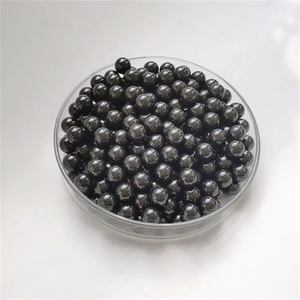
Professional industry ceramic supplier, silicon nitride, silicon carbide, aluminum nitride and any other kinds of ceramics.

1. Introduction
In industrial and laboratory settings, the demand for reliable high-temperature materials has surged—especially with recent supply chain shifts affecting advanced ceramics. Just 48 hours ago, a major supplier announced expanded production of RBSiC (Reaction-Bonded Silicon Carbide) components, including crucibles and tiles, to meet growing needs in metal casting and semiconductor processing. This makes understanding how to properly use and care for your silicon carbide crucible more important than ever.

Silicon carbide crucibles are prized for their exceptional thermal conductivity, resistance to thermal shock, and ability to withstand temperatures above 1600°C. But even the toughest crucible can fail prematurely if mishandled. Whether you’re melting aluminum, casting precious metals, or running lab experiments, this step-by-step guide ensures you get the most out of your investment.
2. Understanding Your Silicon Carbide Crucible
Before diving into usage, it’s essential to recognize what sets silicon carbide apart. Unlike alumina (Al2O3) or zirconia crucibles, silicon carbide offers superior heat transfer and mechanical strength at high temperatures. It’s commonly used alongside other advanced ceramics like silicon nitride ceramic parts—including silicon nitride rings, plates, and custom heat shields—but each material serves different purposes.
Note: Don’t confuse silicon carbide with boron carbide vs silicon carbide applications. Boron carbide is harder and used mainly for armor or abrasives, while silicon carbide excels in thermal environments like furnaces and foundries.
3. Step-by-Step Guide to Using a Silicon Carbide Crucible
3.1. Preheating the Crucible
Never place a cold silicon carbide crucible directly into a hot furnace. Thermal shock is the #1 cause of cracking. Instead, gradually ramp up the temperature:
- Start at 200–300°C for 30 minutes to drive off moisture.
- Increase to 600–800°C over 1–2 hours.
- Only then raise to your operating temperature (e.g., 1200–1500°C).
This slow preheating mimics best practices used with silicon carbide ceramic tubes and RBSiC silicon carbide tile blocks in industrial kilns.
3.2. Loading and Melting
Load your charge evenly to avoid uneven heating. Avoid overfilling—leave at least 1–2 inches of headspace. Use clean, dry materials to prevent reactions that could degrade the crucible lining.
When melting metals like aluminum or copper, stir gently with a compatible rod (e.g., graphite or silicon carbide). Aggressive stirring can erode the crucible wall over time.
3.3. Cooling Down Safely
After use, allow the crucible to cool inside the furnace with the power off. Rapid cooling—like placing it on a cold surface or exposing it to drafts—can cause microfractures. Let it cool to below 200°C before removal.
4. Common Problems and Solutions
4.1. Cracking or Spalling
Cause: Sudden temperature changes or mechanical impact.
Solution: Always follow gradual heating/cooling cycles. Store crucibles on soft, non-abrasive surfaces.
4.2. Glaze Buildup or Contamination
Cause: Repeated use with reactive metals or fluxes.
Solution: Clean with a soft brush after each use. For stubborn residue, use a mild acid wash (e.g., diluted HCl), then rinse thoroughly and re-preheat before reuse.
4.3. Reduced Lifespan
Cause: Using the crucible beyond its rated temperature or with incompatible chemicals.
Solution: Check manufacturer specs. Silicon carbide performs best below 1650°C in oxidizing atmospheres. In reducing atmospheres, lifespan may shorten due to SiC oxidation.
5. Maintenance and Storage Tips
Store your silicon carbide crucible in a dry, dust-free environment. Moisture absorption can lead to steam explosions during reheating. Stack carefully—never drop or knock against hard surfaces like silicon carbide brick or ceramic floor tiles.
Inspect regularly for hairline cracks, especially around the rim and base. Even small flaws can grow under thermal stress.
Also, keep it separate from other advanced ceramics like silicon nitride crucible factory products unless you’re certain of compatibility. Mixing materials can lead to cross-contamination in sensitive processes.
6. When to Replace Your Crucible
Replace your silicon carbide crucible if you notice:
- Deep cracks or holes
- Significant thinning of walls
- Warping or deformation
- Persistent contamination that won’t clean off
A well-maintained crucible can last hundreds of cycles—but pushing it too far risks catastrophic failure during operation.
7. Conclusion
A silicon carbide crucible is a powerful tool in high-temperature applications, but its performance hinges on proper handling. By following these practical steps—from slow preheating to careful storage—you’ll extend its life, ensure consistent results, and avoid costly downtime. Whether you’re working with molten metal, lab samples, or comparing it to alternatives like silicon nitride ceramic or boron carbide, respect for the material’s limits is key to success.
Our Website founded on October 17, 2012, is a high-tech enterprise committed to the research and development, production, processing, sales and technical services of ceramic relative materials such as How. Our products includes but not limited to Boron Carbide Ceramic Products, Boron Nitride Ceramic Products, Silicon Carbide Ceramic Products, Silicon Nitride Ceramic Products, Zirconium Dioxide Ceramic Products, etc. If you are interested, please feel free to contact us.
RELATED POSTS
Silicon Carbide Crucible: The Ultimate High-Temperature Ceramic Solution

5 Key Comparisons Every Engineer Should Know About Silicon Carbide Crucibles and Advanced Ceramics
How to Properly Use and Maintain a Silicon Carbide Crucible: A Step-by-Step Guide
5 Key Comparisons That Define the Performance of Silicon Carbide Crucibles in Advanced Ceramics