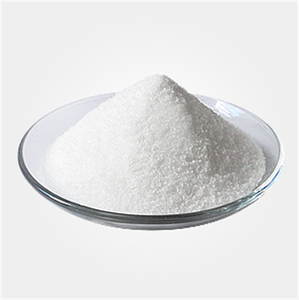
Professional industry ceramic supplier, silicon nitride, silicon carbide, aluminum nitride and any other kinds of ceramics.

1. Introduction
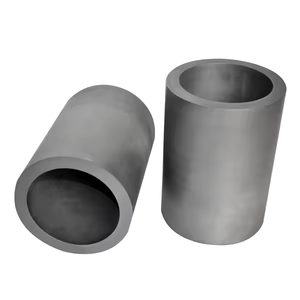
If you’re working with molten metals, glass, or high-temperature lab processes, chances are you’ve encountered a silicon carbide crucible. Known for its exceptional thermal conductivity, resistance to thermal shock, and durability at extreme temperatures, this advanced ceramic tool is a staple in foundries, laboratories, and industrial settings. But even the toughest silicon carbide crucible can fail prematurely if mishandled. This guide gives you step-by-step instructions on how to use and maintain your crucible properly—so you get the most out of every pour.
2. Understanding Your Silicon Carbide Crucible
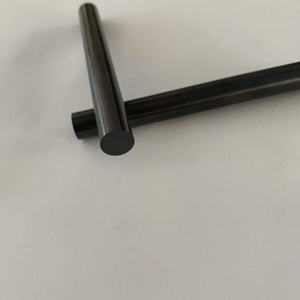
Silicon carbide (SiC) is an advanced ceramic material prized for its hardness, thermal stability, and chemical inertness. Unlike alumina (Al2O3) or zirconia crucibles, silicon carbide crucibles can withstand repeated heating cycles up to 1600°C (2912°F) without degrading. They’re commonly used for melting non-ferrous metals like aluminum, copper, and zinc. You might also see related products like silicon carbide ceramic tiles, silicon carbide tubes, or even silicon carbide burner nozzles—all leveraging the same robust properties.
3. Step-by-Step Guide to Using a Silicon Carbide Crucible
3.1 Preheat Gradually
Never place a cold silicon carbide crucible directly into a hot furnace. Thermal shock is the #1 cause of cracks. Instead, ramp up the temperature slowly: start at 200–300°C for 30 minutes, then increase by 200°C every 15–20 minutes until you reach your target temperature. This gentle preheating preserves structural integrity.
3.2 Avoid Direct Flame Contact
While silicon carbide handles heat well, direct impingement from a burner flame can create hot spots. Position your crucible so heat distributes evenly—ideally inside a muffle furnace or using indirect radiant heating. If you’re using silicon carbide burner nozzles, ensure proper alignment to prevent localized overheating.
3.3 Charge Carefully
Add materials gently. Dropping metal ingots or scrap into the crucible can cause chipping or microfractures. Use clean, dry charge materials to minimize slag formation and chemical reactions that degrade the crucible lining.
4. Common Problems and How to Fix Them
4.1 Cracking or Spalling
This usually stems from rapid temperature changes or mechanical impact. Solution: Always follow gradual heating/cooling protocols. Never quench a hot crucible in water or air-blast cool it.
4.2 Metal Penetration or Erosion
Over time, molten metal can seep into pores, especially if the crucible isn’t glazed or coated. To reduce this, consider using a high-purity silicon carbide crucible with low porosity, or apply a protective wash before first use.
4.3 Contamination
Residue from previous melts can affect new batches. Clean thoroughly between uses (see next section). Also, avoid using the same crucible for incompatible metals (e.g., aluminum after copper) unless properly cleaned.
5. Cleaning and Storage Tips
- After cooling completely, remove solidified slag with a soft brush or wooden scraper—never metal tools.
- For stubborn deposits, soak in a mild acid solution (like diluted vinegar) for non-reactive metals, but rinse thoroughly afterward.
- Store in a dry, dust-free environment. Moisture absorption can lead to steam explosions during reheating.
6. Silicon Carbide vs. Alternatives: What’s Best?
You might wonder how silicon carbide compares to other advanced ceramics. Boron carbide vs silicon carbide? Boron carbide is harder but more expensive and less thermally conductive—better for armor than crucibles. What about silicon nitride? Silicon nitride ceramic offers excellent thermal shock resistance and is used in specialized applications like silicon nitride crucible factory products, but it’s costlier and less common for general melting. For most industrial needs, silicon carbide remains the gold standard due to its balance of performance, availability, and price.
7. Bonus: Beyond Crucibles—Other Silicon Carbide Ceramic Products
The versatility of silicon carbide extends far beyond crucibles. You’ll find silicon carbide ceramic baking dishes, dinner plates, serving bowls, and even butter dishes marketed for kitchen use—though these are typically decorative or low-temp variants. In industry, look for rbsic silicon carbide tile blocks, silicon carbide ceramic columns, silicon carbide rings, and silicon carbide tubes for furnaces. Even plumbing components like silicon carbide ceramic disc taps leverage its wear resistance.
8. Conclusion
A silicon carbide crucible is a powerful ally in high-temperature processing—but only if treated with care. By preheating properly, avoiding mechanical stress, cleaning thoroughly, and understanding its limits compared to alternatives like boron carbide or silicon nitride, you’ll extend its life and ensure consistent results. Whether you’re in a lab or a foundry, respecting the material’s properties pays off in performance and cost savings.
Our Website founded on October 17, 2012, is a high-tech enterprise committed to the research and development, production, processing, sales and technical services of ceramic relative materials such as How. Our products includes but not limited to Boron Carbide Ceramic Products, Boron Nitride Ceramic Products, Silicon Carbide Ceramic Products, Silicon Nitride Ceramic Products, Zirconium Dioxide Ceramic Products, etc. If you are interested, please feel free to contact us.
RELATED POSTS
7 Essential Facts About Silicon Carbide Crucibles and Their Industrial & Kitchen Uses

How to Properly Use and Maintain a Silicon Carbide Crucible: A Step-by-Step Guide
Silicon Carbide Crucibles: High-Performance Solutions for Extreme Industrial and Laboratory Applications
How to Properly Use and Maintain a Silicon Carbide Crucible: A Step-by-Step Guide
How to Properly Use and Maintain a Silicon Carbide Crucible: A Step-by-Step Guide