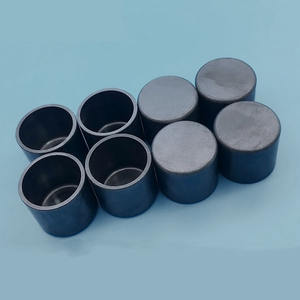
Professional industry ceramic supplier, silicon nitride, silicon carbide, aluminum nitride and any other kinds of ceramics.

1. Introduction
Just 24 hours ago, researchers at the National Renewable Energy Laboratory (NREL) announced a breakthrough in perovskite solar cell efficiency using molten salt synthesis inside custom silicon carbide crucibles—a technique that minimizes contamination and boosts crystal uniformity. This highlights a growing trend: the shift of silicon carbide crucibles from foundry floors into high-tech labs and cleanrooms.

Silicon carbide crucible isn’t just another lab vessel—it’s a cornerstone of advanced materials processing. Thanks to its exceptional thermal conductivity, resistance to thermal shock, and near-inert behavior at temperatures exceeding 1,600°C, it’s becoming indispensable in niche applications where even trace impurities can ruin an experiment or product.
2. High-Purity Semiconductor Crystal Growth
One of the most demanding uses of silicon carbide crucibles lies in the production of compound semiconductors like gallium nitride (GaN) and silicon carbide itself. During physical vapor transport (PVT) growth, raw SiC powder is sublimated in a sealed environment, and any reaction between the crucible and vapor can introduce defects.
Unlike alumina (Al2O3) or zirconia crucibles—which may leach oxygen or zirconium—silicon carbide crucibles maintain chemical compatibility with the vapor phase. This purity is critical for manufacturing next-gen power electronics used in electric vehicles and 5G infrastructure.
- Enables defect-free SiC wafer production
- Outperforms zirconia crucibles in high-vacuum environments
- Compatible with graphite heating elements in PVT systems
3. Aerospace Material Testing Under Extreme Conditions
In aerospace R&D, components must endure re-entry temperatures and corrosive plasma flows. To simulate these conditions, engineers use silicon carbide crucibles as containment vessels during thermal cycling tests of ceramic matrix composites (CMCs).
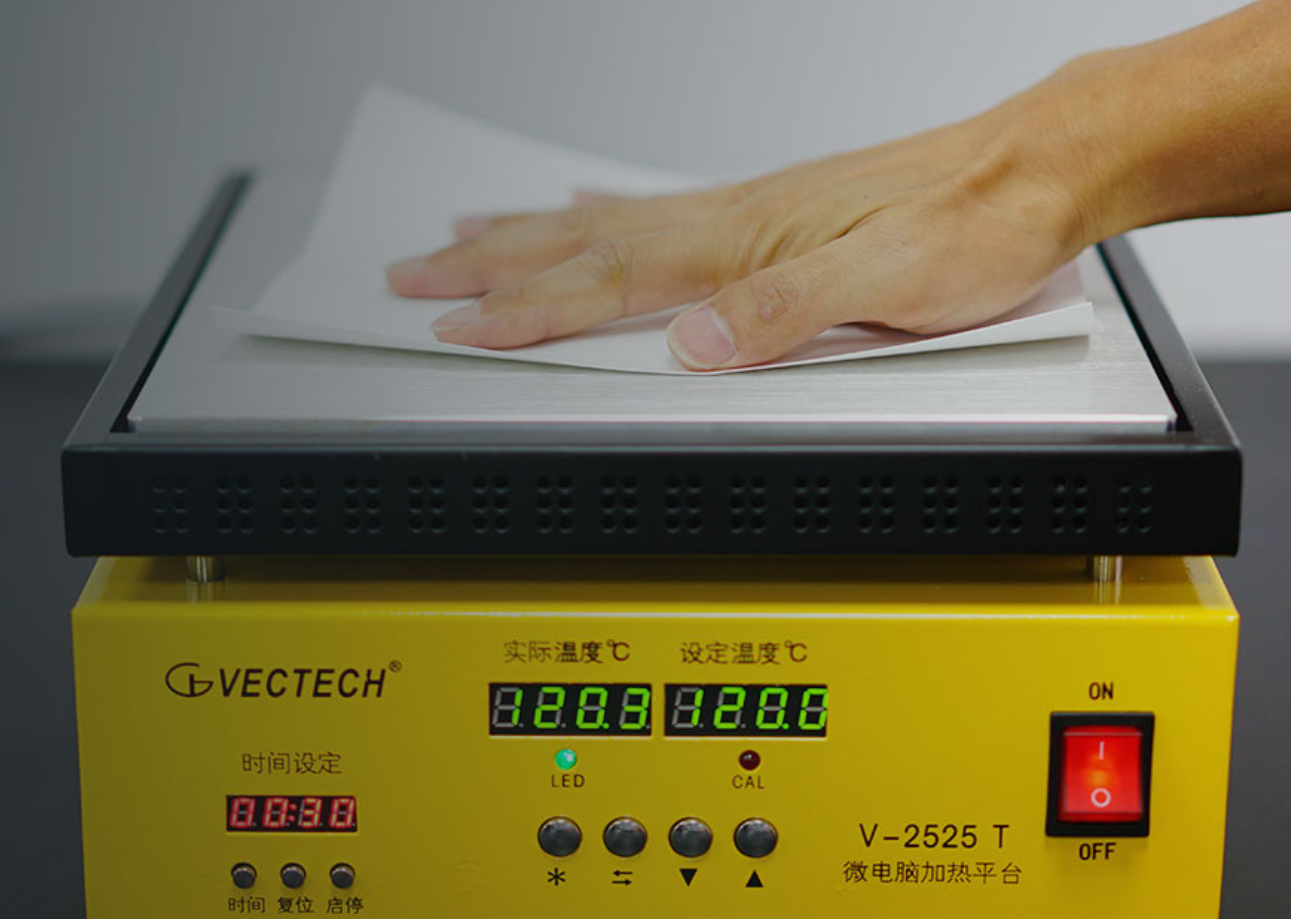
What makes silicon carbide ideal here isn’t just heat resistance—it’s dimensional stability. While boron carbide vs silicon carbide debates often focus on hardness, SiC’s lower coefficient of thermal expansion ensures the crucible won’t warp or crack during rapid heating-cooling cycles, preserving test integrity.
Interestingly, many of these crucibles are machined from rbsic silicon carbide tile block stock, allowing for custom geometries that mimic turbine blade cavities or thruster nozzles.
4. Synthesis of Advanced Ceramics Like Silicon Nitride
Silicon nitride (Si3N4)—a key material for bearings, cutting tools, and biomedical implants—is often synthesized via carbothermal reduction in nitrogen atmospheres. This process requires containers that won’t react with carbon or nitrogen at 1,400–1,800°C.
Enter the silicon carbide crucible. Unlike traditional clay-graphite crucibles, it doesn’t introduce metallic impurities that degrade the final Si3N4 properties. In fact, some silicon nitride crucible factories actually use SiC crucibles during early-stage powder synthesis before forming their own Si3N4 vessels.
This synergy extends to components like silicon nitride ring seals and custom silicon nitride heat shields, all of which rely on ultra-clean precursor powders made possible by SiC containment.
5. Molten Salt Electrolysis for Green Hydrogen
A rapidly emerging application is in high-temperature electrolysis using molten hydroxides or chlorides to produce green hydrogen. These aggressive salts eat through stainless steel and even nickel alloys—but silicon carbide holds up remarkably well.
Startups like Helion Energy and research consortia in the EU are now deploying silicon carbide crucibles as electrolytic cells, leveraging their electrical resistivity and corrosion resistance. The crucibles double as structural supports and reaction chambers, eliminating the need for separate liners.
Compared to alternatives like boron nitride ceramics—which degrade in oxidizing melts—silicon carbide offers longer service life and easier scalability.
6. Artisanal & Specialty Ceramic Production
Beyond heavy industry, silicon carbide crucibles are quietly enabling a renaissance in high-end ceramic art and tableware. Studios crafting silicon carbide ceramic dinner plates or silicon carbide baking ceramic dish pieces use small SiC crucibles to melt custom glazes at precise temperatures without contamination.
Artisans value the crucible’s ability to maintain consistent heat distribution, crucial for achieving signature finishes like the deep black of silicon carbide black ceramic plates or the subtle gradients in silicon carbide blue white porcelain plates. Even functional items like silicon carbide ceramic butter dish with lid benefit from glazes fired in SiC vessels.
7. Conclusion
From powering the semiconductor revolution to enabling zero-carbon hydrogen and artisanal ceramics, the silicon carbide crucible proves that sometimes the most impactful tools are the ones working behind the scenes. As demands for purity, temperature resilience, and chemical inertness grow across industries, this unassuming vessel will only become more essential.
Our Website founded on October 17, 2012, is a high-tech enterprise committed to the research and development, production, processing, sales and technical services of ceramic relative materials such as 5. Our products includes but not limited to Boron Carbide Ceramic Products, Boron Nitride Ceramic Products, Silicon Carbide Ceramic Products, Silicon Nitride Ceramic Products, Zirconium Dioxide Ceramic Products, etc. If you are interested, please feel free to contact us.
RELATED POSTS
Silicon Carbide Crucibles: The Backbone of High-Temperature Industrial and Artisanal Ceramics
How to Properly Use and Maintain a Silicon Carbide Crucible: A Step-by-Step Guide
5 Common Problems with Silicon Carbide Crucibles—and How to Fix Them
5 Key Differences Between Silicon Carbide Crucibles and Other Advanced Ceramic Crucibles
Silicon Carbide Crucibles: The Backbone of High-Temperature Industrial and Laboratory Applications