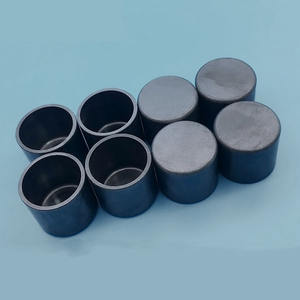
Professional industry ceramic supplier, silicon nitride, silicon carbide, aluminum nitride and any other kinds of ceramics.

1. Introduction
Just 24 hours ago, a major foundry in Ohio reported a catastrophic furnace failure—all because someone swapped a genuine silicon carbide crucible for a ‘budget’ alumina alternative to save $200. Spoiler: they lost $200,000 in molten metal and downtime. Moral of the story? Not all crucibles are created equal.
Silicon carbide crucibles aren’t just fancy pots for melting stuff—they’re engineered marvels designed to withstand thermal shock, chemical corrosion, and temperatures north of 1600°C. But with so many variants—from RBSiC silicon carbide tile blocks to porous silicon carbide ceramic tubes—it’s easy to pick the wrong one. Let’s fix that.
2. Silicon Carbide Crucible vs. The Usual Suspects
When it comes to high-temperature containment, three materials dominate: silicon carbide, alumina (Al2O3), and zirconia (ZrO2). Each has its fan club—but only one wears the crown for most non-ferrous metal applications.
- Alumina crucibles (al2o3 crucible) are cheap and decent up to ~1700°C, but they crack like a bad joke under thermal cycling.
- Zirconia crucibles offer superb inertness (great for reactive melts like titanium), but they’re brittle, expensive, and prone to phase instability.
- Silicon carbide crucibles? Tough as nails, thermally conductive, and laugh at thermal shock. Perfect for aluminum, copper, brass, and even some precious metals.
Pro tip: If your melt involves aggressive slags or rapid heating/cooling cycles, silicon carbide is your MVP.
3. Types of Silicon Carbide Crucibles: It’s Not One-Size-Fits-All
Not all silicon carbide is born equal. The manufacturing method defines performance—and price.
3.1 Reaction-Bonded Silicon Carbide (RBSiC)
RBSiC silicon carbide tile blocks start as a mix of SiC powder and carbon, then get infiltrated with molten silicon. The result? Near-zero porosity, high strength, and excellent thermal conductivity. Ideal for crucibles that see constant use in foundries.
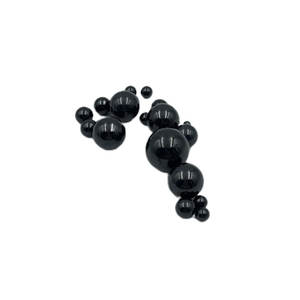
Bonus: RBSiC parts like silicon carbide ceramic columns or silicon carbide burner nozzles share these traits—making them go-to choices for industrial furnaces.
3.2 Sintered Silicon Carbide (SSiC)
Sintered versions skip the silicon infiltration, using ultra-fine SiC powder pressed and fired at extreme temps. They’re purer (>99% SiC) and more chemically resistant—but also pricier and slightly less impact-resistant.
Use SSiC when purity matters (e.g., semiconductor crystal growth) or when you’re handling corrosive fluxes that’d eat through RBSiC over time.
4. Wait—Is That a Dinner Plate or a Crucible?
Here’s where things get weird. Thanks to marketing buzzwords, you’ll find products labeled ‘silicon carbide ceramic dinner plates’ or ‘silicon carbide baking ceramic dish’ on e-commerce sites. Don’t be fooled.
These kitchen items use trace amounts of SiC for aesthetic texture or minor thermal enhancement—but they’re NOT made from structural-grade silicon carbide. They won’t survive your backyard forge, let alone an industrial furnace.
Real silicon carbide crucibles are dense, heavy, and engineered—not glazed and Instagrammable. If it comes with a lid shaped like a snowman (‘silicon carbide christmas ceramic platter’), it’s not for melting bronze.
5. When Silicon Nitride Steals the Show
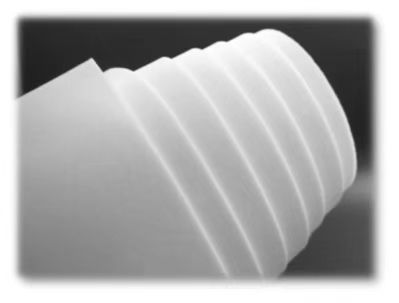
Sometimes, even silicon carbide isn’t enough. Enter silicon nitride (Si3N4)—the stealthy cousin with better fracture toughness and oxidation resistance above 1400°C.
A silicon nitride crucible factory might recommend Si3N4 for applications involving molten silicon or extreme mechanical stress. Custom silicon nitride heat shields, silicon nitride rings, and silicon nitride plates are gaining traction in aerospace and solar wafer production.
But beware: high purity silicon nitride powder market prices are volatile, and machining Si3N4 is notoriously difficult. Only go this route if your process demands it.
6. Bonus Round: Boron Carbide vs. Silicon Carbide
You might’ve heard whispers about boron carbide (B4C)—the ‘black diamond’ used in armor and neutron absorbers. So, boron carbide vs silicon carbide: who wins?
For hardness? Boron carbide (30 GPa vs. SiC’s 25 GPa). For thermal conductivity and cost-effectiveness in crucibles? Silicon carbide dominates. Boron carbide is overkill—and overpriced—for 99% of melting applications.
7. Conclusion
Choosing a silicon carbide crucible isn’t about grabbing the shiniest black pot online. It’s about matching material structure (RBSiC vs. SSiC), application demands (thermal cycling? corrosive melt?), and resisting the siren song of ‘silicon carbide ceramic pasta bowls’ masquerading as industrial tools.
Remember: in high-temp processing, the right crucible doesn’t just hold your melt—it holds your reputation. Don’t melt it down for a false economy.
Our Website founded on October 17, 2012, is a high-tech enterprise committed to the research and development, production, processing, sales and technical services of ceramic relative materials such as Choose. Our products includes but not limited to Boron Carbide Ceramic Products, Boron Nitride Ceramic Products, Silicon Carbide Ceramic Products, Silicon Nitride Ceramic Products, Zirconium Dioxide Ceramic Products, etc. If you are interested, please feel free to contact us.
RELATED POSTS
How to Properly Use and Maintain a Silicon Carbide Crucible: A Step-by-Step Guide
5 Niche Applications of Silicon Carbide Crucibles in Advanced Industrial and Scientific Fields
What Makes Silicon Carbide Crucibles Essential in Advanced Ceramics and Industrial Applications?
7 Essential Facts About Silicon Carbide Crucibles and Their Industrial & Culinary Uses
5 Common Problems with Silicon Carbide Crucibles (And How to Fix Them)