Professional industry ceramic supplier, silicon nitride, silicon carbide, aluminum nitride and any other kinds of ceramics.

PRODUCT PARAMETERS
Description
Overview of High Quality Boron Carbide B4c with Mohs Hardness 9.36
High Quality Boron Carbide B4c with Mohs Hardness 9.36 is an ultra-hard advanced ceramic, ranking as the third hardest material known after diamond and cubic boron nitride. Often referred to as “black diamond,” it is the premier choice for extreme applications requiring maximum hardness and lightweight properties, particularly in the field of ballistic armor and abrasive environments.
Features of High Quality Boron Carbide B4c with Mohs Hardness 9.36
-
Exceptional Hardness: Possesses a hardness level near that of diamond, making it ideal for abrasive and wear-resistant applications.
-
Extremely Lightweight: With a low density, it offers an outstanding strength-to-weight ratio, crucial for personal and aviation armor.
-
Outstanding Ballistic Performance: The premier material for high-performance body and vehicle armor plates, capable of defeating high-velocity threats.
-
High Neutron Absorption: An excellent neutron capture cross-section makes it a key material for nuclear reactor control rods and shielding.
-
Excellent Chemical Resistance: Highly inert and resistant to acids and alkalis, ensuring performance in corrosive environments.
-
High-Temperature Stability: Maintains its properties and structure at elevated temperatures.
Specification of High Quality Boron Carbide B4c with Mohs Hardness 9.36
Boron Carbide, known as B4C, is a top choice for demanding applications. Its extreme firmness sticks out. This material strikes a Mohs solidity of 9.36. That makes it nearly as difficult as diamond. It places among the hardest substances people can generate. This hardness supplies extraordinary resistance to wear. Surface areas coated with it last a lot longer. Components made from it hold up against constant abrasion. This durability is essential for industrial usage.
Boron Carbide additionally handles extreme warmth well. Its melting point is really high. This implies it remains steady in high-temperature setups. Heater parts gain from this home. It does not conveniently damage down under thermal tension. Chemical resistance is another strength. It doesn’t respond with numerous acids or bases. This makes it reliable in harsh environments. It won’t dissolve or damage suddenly.
The material is remarkably light for its toughness. It has a reduced thickness. This low weight is an advantage in moving components. Shield systems utilize it successfully. It absorbs impact energy efficiently. Sandblasting nozzles rely upon its longevity. It resists disintegration from abrasive fragments. Ceramic grinding media often include it. It assists grind materials properly.
Boron Carbide powder is extensively offered. Producers supply numerous grain dimensions. You can discover it in different pureness grades. Specific grades suit particular tasks. Its distinct mix of firmness, warm resistance, and chemical stability makes it irreplaceable. Industries requiring extreme sturdiness depend on it. It does where various other products stop working swiftly.
Applications of High Quality Boron Carbide B4c with Mohs Hardness 9.36
Boron carbide, referred to as B4C, is extremely tough. It scores 9.36 on the Mohs hardness scale. This makes it among the hardest products humans make. Its severe solidity offers it several crucial uses.
One significant use remains in body armor and vehicle shield. B4C plates stop bullets and shrapnel quite possibly. They are lighter than metal shield. Soldiers and police usually depend on this protection. It conserves lives.
B4C is additionally great for parts that use down. Things like sandblasting nozzles, water jet cutter nozzles, and bearing seals last much longer when made from B4C. They handle constant friction much better than softer materials. This decreases downtime and substitute prices.
Its hardness makes B4C a reliable abrasive. It is made use of in grinding, splashing, and brightening applications. It works with challenging materials like tungsten carbide or porcelains. It assists develop smooth, exact surfaces.
In nuclear reactor, B4C has an unique task. It absorbs neutrons quite possibly. Control rods made from B4C help take care of the nuclear response safely. It is vital for activator control.
B4C is additionally made use of in state-of-the-art porcelains. These porcelains enter into components for extreme conditions. Think of wind turbine blades or thermal barrier. B4C ceramics withstand heat and wear remarkably well. They execute where various other products fall short.
People choose B4C due to the fact that it is so tough and sturdy. It uses solutions where strength and long life are vital. It works in requiring settings from battlefields to manufacturing facilities to nuclear facilities. Its residential or commercial properties make it irreplaceable for numerous tough jobs.
Company Profile
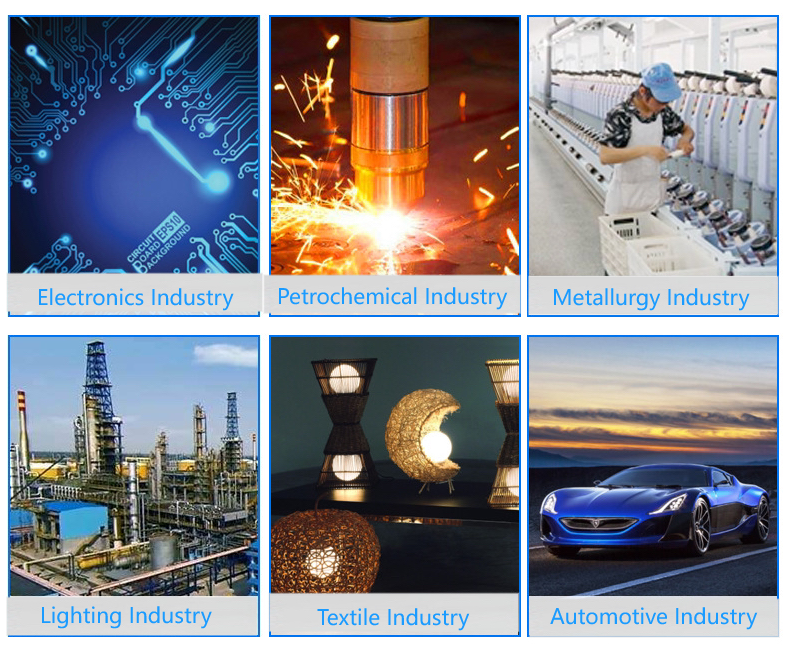
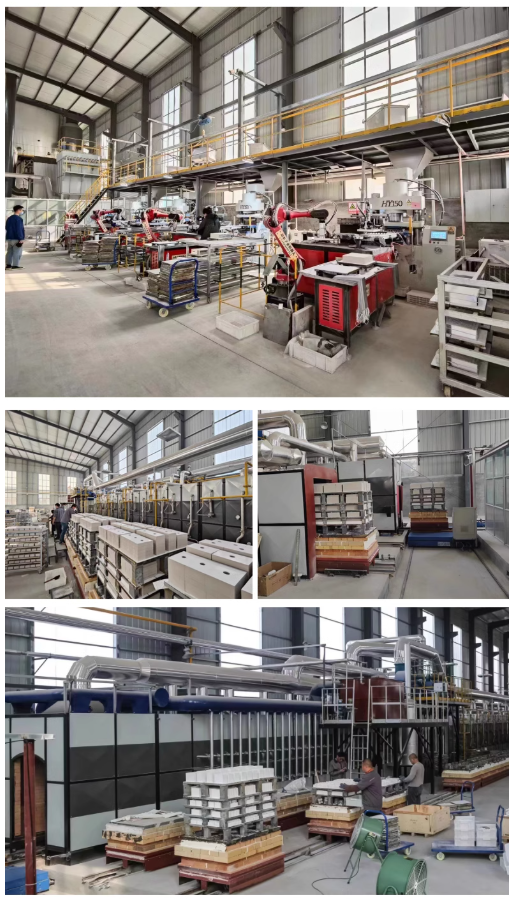
Tanki New Materials Co.Ltd. focus on the research and development, production and sales of ceramic products, serving the electronics, ceramics, chemical and other industries. Since its establishment in 2015, the company has been committed to providing customers with the best products and services, and has become a leader in the industry through continuous technological innovation and strict quality management.
Our products includes but not limited to Aerogel, Aluminum Nitride, Aluminum Oxide, Boron Carbide, Boron Nitride, Ceramic Crucible, Ceramic Fiber, Quartz Product, Refractory Material, Silicon Carbide, Silicon Nitride, ect. please feel free to contact us.
Payment Methods
T/T, Western Union, Paypal, Credit Card etc.
Shipment Methods
By air, by sea, by express, as customers request.
5 FAQs of High Quality Boron Carbide B4c with Mohs Hardness 9.36
What is boron carbide? Boron carbide is a very hard material. It is made from boron and carbon. People call it B4C for short. Its Mohs hardness is 9.36. This makes it one of the hardest substances people know. Only diamond and cubic boron nitride are harder. B4C is a dark, grayish-black powder. People often make it into solid shapes for use.
Why is boron carbide so hard? Its atomic structure makes it hard. Boron and carbon atoms form strong bonds. These bonds are difficult to break. The structure is very rigid. It resists changes in shape. This gives boron carbide its high hardness. The Mohs scale measures how well a material scratches others. A hardness of 9.36 means it scratches almost everything else. Only a few materials can scratch it.
Where do people use boron carbide? Its hardness makes it useful for tough jobs. It is common in body armor plates. It stops bullets and shrapnel. Factories use it for abrasive blasting. It cuts and grinds other materials. It lines industrial equipment. This protects against wear. Nuclear reactors use it as a neutron absorber. It controls nuclear reactions. People also use it in cutting tools. It shapes hard materials like ceramics and metals.
How does boron carbide compare to other hard materials? It is harder than most ceramics. Alumina and silicon carbide are softer. Tungsten carbide is also softer. Boron carbide is lighter than many metals. This is good for body armor. It is lighter than steel plates. Boron carbide is more brittle than some metals. It can chip under heavy impact. But its hardness protects against abrasion better than steel.
What are the main benefits of boron carbide? Its extreme hardness is the biggest benefit. It resists scratching and wear very well. It is also very light for its strength. This helps in applications needing weight savings. It withstands high temperatures. This is useful in hot environments. It absorbs neutrons effectively. This is vital for nuclear safety. It offers long life in abrasive conditions. This reduces replacement costs.
REQUEST A QUOTE
RELATED PRODUCTS
Boron Carbide Usvc lasting Nozzles Single Inlet Nozzle
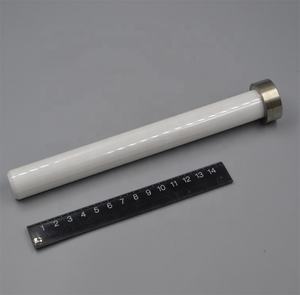
High Quality Boron Carbide B4c for Ceramic Coating Thermal Coating.
Advanced Defense Boron Carbide Cylinder Ceramic Tile for Vehicle Armor
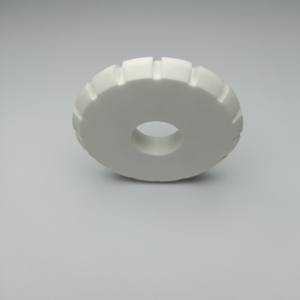
Boron Carbide B4c Sand Blasting Gun Nozzles with More Competitive
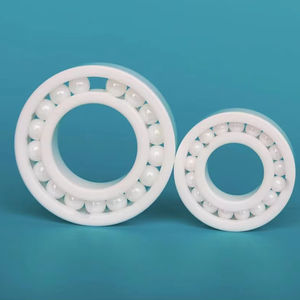
Light Weight Boron Carbide B4C Ceramic Hexagon Tiles For Bulletproof Vest