Professional industry ceramic supplier, silicon nitride, silicon carbide, aluminum nitride and any other kinds of ceramics.

PRODUCT PARAMETERS
Description
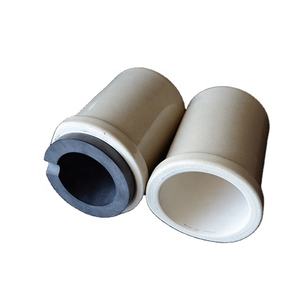
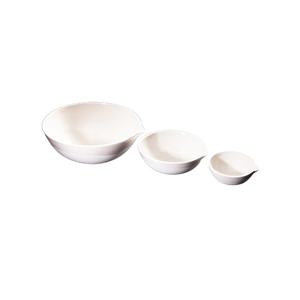
Overview of High Temperature 99% Alumina Sagger Ceramic Cylinder Crucible Laboratory for Melting
High Temperature 99% Alumina Sagger Ceramic Cylinder Crucible Laboratory for Melting are specialized containers designed for withstanding extremely high temperatures in laboratory and industrial settings. They are essential for processes such as melting, calcining, and heat-treating a wide variety of materials, including metals, glasses, and chemicals. Our crucibles are engineered for superior thermal stability and chemical resistance, ensuring purity and reliability in the most demanding applications.
Features of High Temperature 99% Alumina Sagger Ceramic Cylinder Crucible Laboratory for Melting
-
Exceptional Thermal Shock Resistance: Withstands rapid temperature changes without cracking, ensuring durability and a long service life.
-
High-Temperature Stability: Maintains structural integrity at extreme temperatures, often exceeding 1500°C.
-
Excellent Chemical Inertness: Resists corrosion and reaction with molten metals, acids, and aggressive chemical fluxes.
-
High Purity & Low Contamination: Manufactured from premium materials to prevent sample contamination during sensitive processes.
-
Optimized Thermal Properties: Designed for efficient heat transfer and consistent performance in furnace environments.
-
Robust Mechanical Strength: Offers good resistance to physical impact and abrasion during handling and use.
Specifications of High Temperature 99% Alumina Sagger Ceramic Cylinder Crucible Laboratory for Melting
This ceramic crucible handles extreme heat. It withstands temperatures up to 1700°C. The material is 99% pure alumina. This high purity offers excellent chemical resistance. It resists acids and bases well. The shape is a sturdy cylinder. This design is called a sagger crucible. Its walls are thick. This thickness provides good thermal shock resistance. It heats up and cools down slowly. Sudden temperature changes cause less stress. This crucible lasts longer.
The density is high. It measures about 3.8 g/cm³. High density means less porosity. Less porosity stops molten materials from soaking in. This keeps your samples clean. The crucible stays strong under load. It has good mechanical strength. The surface is smooth. This smoothness makes cleaning easier after use. You can use it many times.
Its main job is melting materials in labs. It works for melting metals. It works for melting glass. It works for melting minerals. It works for melting other ceramics. The crucible can hold different substances. It is stable and reliable. You need proper tools to handle it. Use tongs designed for high temperatures. Avoid sudden impacts. Handle it carefully when hot. Handle it carefully when cold. Always place it on a stable surface. Use kiln shelves rated for high heat. This crucible is essential for high-temperature work.
Applications of High Temperature 99% Alumina Sagger Ceramic Cylinder Crucible Laboratory for Melting
This alumina sitter crucible handles extreme heat well. It works reliably up to 1800°C. The material is 99% pure alumina. This purity means it resists heat and chemicals strongly. Labs use it often. It melts metals like platinum or gold safely. Researchers trust it for consistent results. It doesn’t react with most molten stuff. That keeps your sample pure. The cylinder shape fits furnaces easily. It supports other crucibles inside too. This makes it a good sagger. It protects valuable contents from direct heat.
Factories use these crucibles also. They process ceramics and special metals. The crucible survives repeated heating cycles. This saves money over time. It replaces weaker materials. Those materials crack or contaminate melts. This alumina crucible lasts longer. It withstands sudden temperature changes better. This is thermal shock resistance. Handling hot crucibles is risky. This one breaks less often. That improves safety for workers.
The surface stays smooth after many uses. Glazes or residues don’t stick easily. Cleaning is simpler. You spend less time maintaining it. This alumina is very dense. Dense material prevents gases escaping. It also stops unwanted stuff getting in. Your melt stays controlled. The crucible works in different furnaces. Air atmosphere furnaces are fine. Reducing atmospheres are also okay. It gives labs and industry a tough tool. It handles demanding melting jobs reliably.
Company Profile
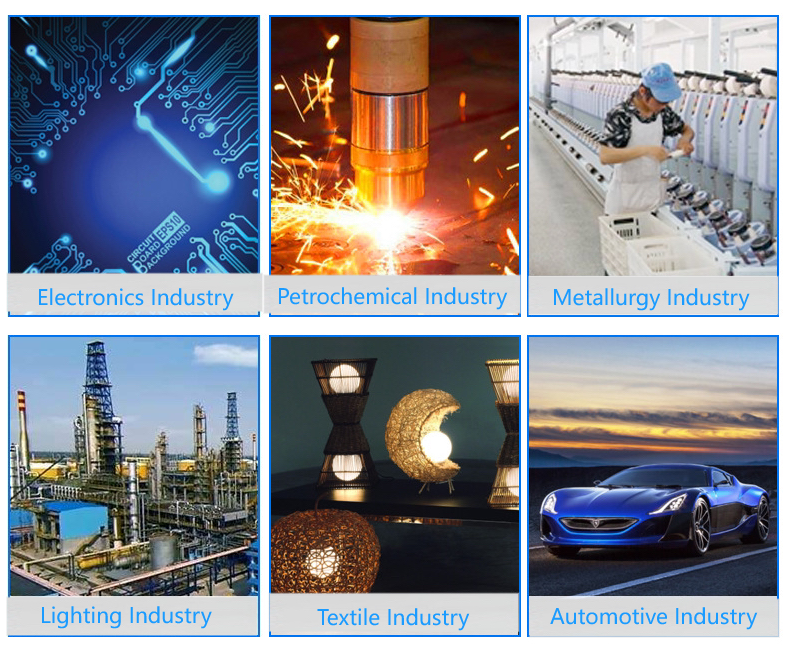
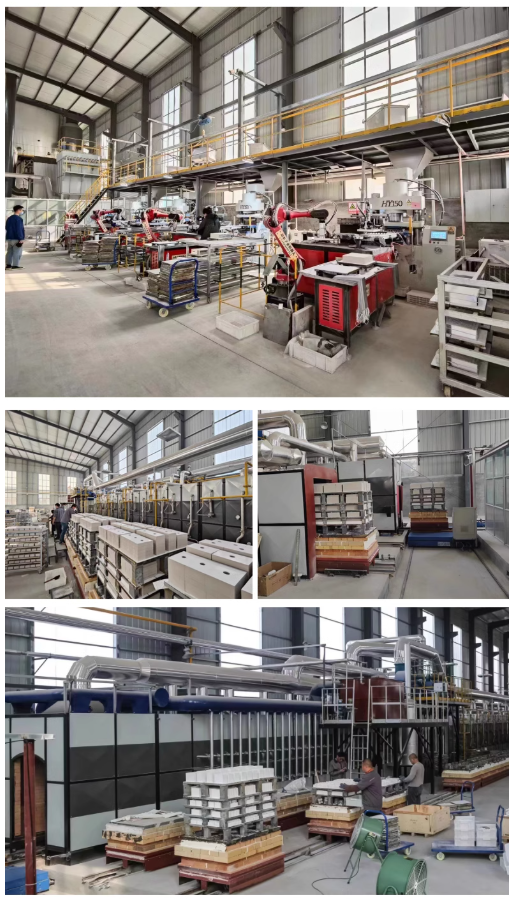
Tanki New Materials Co.Ltd. focus on the research and development, production and sales of ceramic products, serving the electronics, ceramics, chemical and other industries. Since its establishment in 2015, the company has been committed to providing customers with the best products and services, and has become a leader in the industry through continuous technological innovation and strict quality management.
Our products includes but not limited to Aerogel, Aluminum Nitride, Aluminum Oxide, Boron Carbide, Boron Nitride, Ceramic Crucible, Ceramic Fiber, Quartz Product, Refractory Material, Silicon Carbide, Silicon Nitride, ect. please feel free to contact us.
Payment Methods
T/T, Western Union, Paypal, Credit Card etc.
Shipment Methods
By air, by sea, by express, as customers request.
5 FAQs of High Temperature 99% Alumina Sagger Ceramic Cylinder Crucible Laboratory for Melting
Here are answers to common questions about high temperature 99% alumina sagger ceramic cylinder crucibles for melting. What is the maximum temperature these crucibles can handle? They work reliably up to 1700 degrees Celsius. This makes them suitable for many high heat applications. Why choose alumina for melting? Alumina offers excellent chemical stability. It handles acids and molten salts well. It resists attack from many aggressive materials. Alkalis can attack it sometimes. How well do they handle sudden temperature changes? They manage thermal shock fairly well. Avoid heating or cooling them too rapidly. Big temperature jumps can cause cracks. Let them heat up and cool down slowly. What should you know before using one? Make sure the crucible is clean and dry. Check it for any cracks or chips. Place it securely inside the sagger. Put the sagger in the furnace carefully. Follow the specific heating instructions for your material. How long will an alumina crucible last? Its lifespan depends on several things. The melting temperature matters. How often you use it counts. The materials you melt affect it. Proper handling extends its life. Rough treatment shortens it.
REQUEST A QUOTE
RELATED PRODUCTS
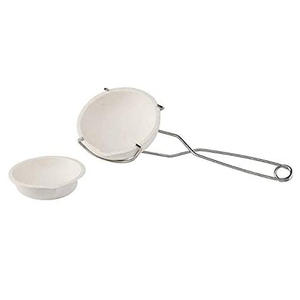
Ceramic Crucibles Coat Shield of Graphite Pot Melt Metal for Gold Induction Smelting Furnace Jewelry Tools
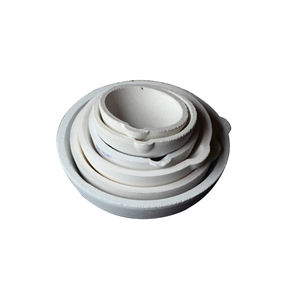
CS996 CS884 Ceramic Analysis Crucible for Carbon Sulfur Analyzer
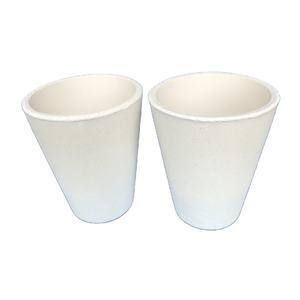
Ronghua Graphite Crucible 10kg 40kg Graphite Ceramic Crucible 50kg Silicon Carbide Crucible for Aluminum Melting Foundry
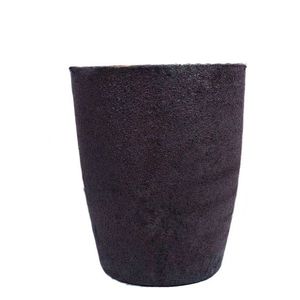
Dental Laboratory Hooded Casting Quartz Ceramic Crucible
High Quality Special Fire Assay Clay Ceramic Crucible for Melting Gold Silver