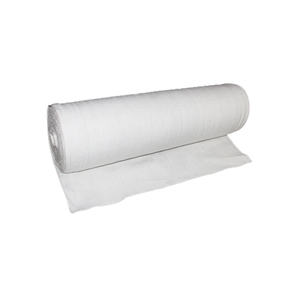
Professional industry ceramic supplier, silicon nitride, silicon carbide, aluminum nitride and any other kinds of ceramics.

PRODUCT PARAMETERS
Description
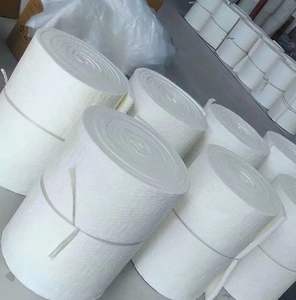
Overview of 1260°C Ceramic Fiber Blocks Silicate Alumina Insulation Ceramic Fiber Modules for Furnaces
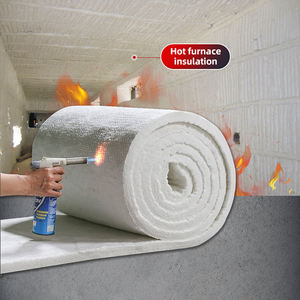
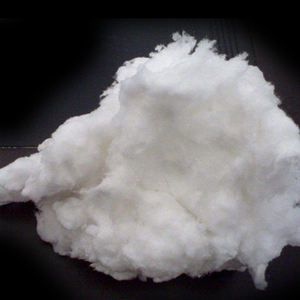
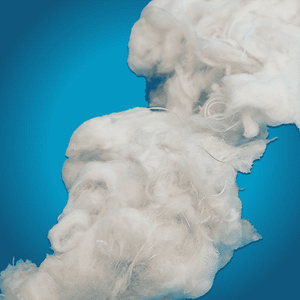
1260°C Ceramic Fiber Blocks Silicate Alumina Insulation Ceramic Fiber Modules for Furnaces is a lightweight, high-temperature insulation material composed primarily of alumina-silica. It is manufactured through a melting and spinning or blowing process, resulting in a flexible, wool-like textile. This material is engineered to provide exceptional thermal management, conserving energy and protecting equipment in extreme temperature environments across various industries.
Features of 1260°C Ceramic Fiber Blocks Silicate Alumina Insulation Ceramic Fiber Modules for Furnaces
-
Excellent Thermal Stability: Withstands continuous operating temperatures up to 1260°C (2300°F) and higher for certain grades, with minimal shrinkage.
-
Low Thermal Conductivity: Provides highly efficient insulation, reducing heat loss and improving energy efficiency.
-
Lightweight & Low Heat Storage: Offers low thermal mass, enabling rapid heat-up and cool-down cycles for improved process control and energy savings.
-
Thermal Shock Resistance: Highly resistant to damage from rapid temperature changes.
-
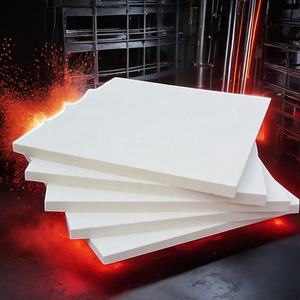
Excellent Flexibility & Resilience: Can be fabricated into blankets, boards, papers, and textiles to fit complex shapes and applications.
-
Good Chemical Stability: Resists attack from most corrosive agents, except strong alkalis and hydrofluoric acid.
Specification of 1260°C Ceramic Fiber Blocks Silicate Alumina Insulation Ceramic Fiber Modules for Furnaces
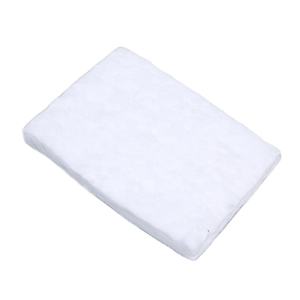
These ceramic fiber blocks handle intense heat. They are for furnaces and kilns needing top insulation. The blocks resist temperatures up to 1260°C. This makes them good for very hot industrial processes. They are made from special silicate alumina fibers. These fibers form a strong, lightweight block. The blocks keep heat inside your furnace. This saves energy and lowers costs. They don’t let heat pass through easily. Their low thermal conductivity is a big plus. You get better temperature control inside. Furnace walls stay cooler outside. This protects your equipment structure. Workers near the furnace stay safer too.
The blocks are very stable under high heat. They don’t shrink much over time. This means consistent performance long-term. They resist most chemical attacks. Furnace atmospheres won’t damage them easily. The blocks are easy to handle and install. They come as modules for quick fitting. You can cut or shape them as needed. This makes lining your furnace simpler. They create a tight, efficient insulation layer. Heat loss is minimized effectively. Your furnace reaches temperature faster. It holds heat better once hot. This improves overall furnace efficiency.
These ceramic fiber blocks last a long time. They withstand thermal cycling well. Heating up and cooling down won’t crack them. Their strength holds up under tough conditions. You get reliable insulation for years. They are a smart choice for high heat. Furnace builders and operators trust them.
Applications of 1260°C Ceramic Fiber Blocks Silicate Alumina Insulation Ceramic Fiber Modules for Furnaces
These ceramic fiber blocks handle high heat. They are made from alumina-silicate fibers. They insulate furnaces very well. They can withstand temperatures up to 1260°C. This makes them perfect for many hot industrial jobs.
The main job is to keep heat inside the furnace. Good insulation means less heat escapes. This saves a lot of energy. It lowers fuel costs for the factory. Furnaces also heat up faster. They cool down slower. This improves overall efficiency.
The blocks are light. They are easy to install. Workers can put them in place quickly. They come as modules. This means they fit together neatly. They form a strong lining inside the furnace. This lining protects the furnace walls. It keeps the heat where it belongs.
Using these blocks helps the furnace last longer. They resist thermal shock well. Sudden temperature changes are less damaging. The furnace structure suffers less stress. Maintenance costs go down. Furnace life extends.
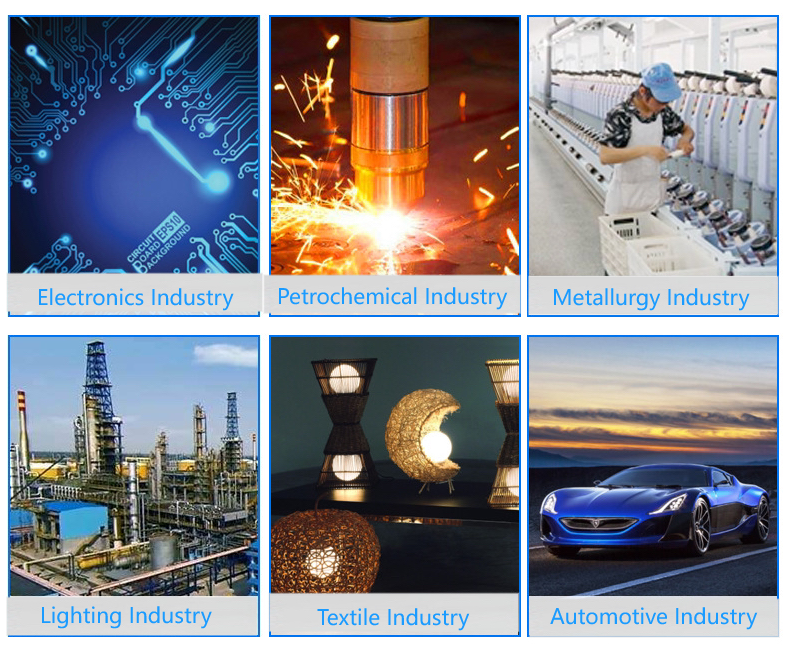
These insulation blocks are used in many furnace types. They line steelmaking furnaces. They insulate heat treatment ovens. They work well in forging furnaces. They are found in annealing furnaces. They are used in glass melting tanks. Any furnace needing high-temperature insulation benefits.
The blocks provide excellent heat retention. They reduce surface temperatures. This makes the workplace safer. Workers face less radiant heat. Energy savings are significant. Furnace performance improves.
Company Profile
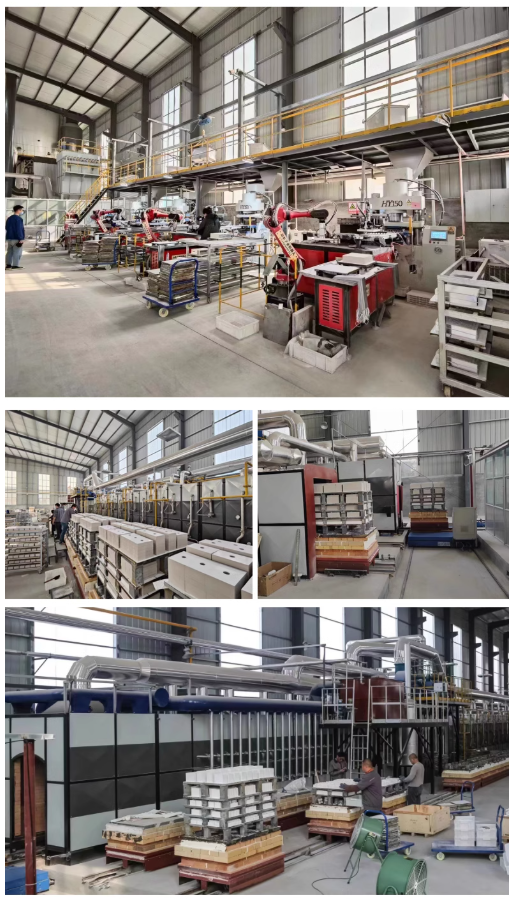
Tanki New Materials Co.Ltd. focus on the research and development, production and sales of ceramic products, serving the electronics, ceramics, chemical and other industries. Since its establishment in 2015, the company has been committed to providing customers with the best products and services, and has become a leader in the industry through continuous technological innovation and strict quality management.
Our products includes but not limited to Aerogel, Aluminum Nitride, Aluminum Oxide, Boron Carbide, Boron Nitride, Ceramic Crucible, Ceramic Fiber, Quartz Product, Refractory Material, Silicon Carbide, Silicon Nitride, ect. please feel free to contact us.
Payment Methods
T/T, Western Union, Paypal, Credit Card etc.
Shipment Methods
By air, by sea, by express, as customers request.
5 FAQs of 1260°C Ceramic Fiber Blocks Silicate Alumina Insulation Ceramic Fiber Modules for Furnaces
Here are 5 common questions about our 1260°C Ceramic Fiber Blocks, also called Silicate Alumina Insulation Ceramic Fiber Modules for furnaces.
What maximum temperature can these blocks handle? Our blocks are rated for continuous use up to 1260°C. They stay stable and keep insulating well at these very high temperatures. They are built for tough furnace conditions.
Why choose modules over loose fiber? Modules are pre-compressed blocks. They are much faster to install. Workers just put them in place. They lock together tightly. This creates a seamless insulation layer. Loose fiber takes longer to install. It can also settle over time. Modules save time and effort.
What are these blocks made from? The primary materials are alumina and silica. These minerals are spun into fine ceramic fibers. The fibers are then compressed into dense blocks. This process creates a strong, lightweight material. It traps heat extremely well.
Where are these modules typically used? You find them lining many types of industrial furnaces. They insulate steel heat treatment furnaces. They are common in ceramic kilns. They work well in glass melting furnaces. Anywhere you need strong heat insulation up to 1260°C, these modules help.
Is this material safe to handle? The fibers are generally safe. Good practice means wearing gloves and a mask during installation. This prevents minor skin irritation. It stops you breathing in any dust. Once installed, the blocks are secure. They form a solid lining inside the furnace.
REQUEST A QUOTE
RELATED PRODUCTS
Biosoluble Ceramic Fiber Heat Sealing Paper
Durable electronic glass fiber scene fireproof blanket, 100 gsm felt, 120 gsm fabric scrim, ceramic fiber fabric
Maximum Temperature 1800°C Polycrystalline Mullite Ceramic Fiber Board
High-temperature ceramic fiber heater, Mosi2 line, ceramic fiber chamber, round ceramic fiber heating module
2100°C polycrystalline mullite ceramic fiber boards/plates.