Professional industry ceramic supplier, silicon nitride, silicon carbide, aluminum nitride and any other kinds of ceramics.

PRODUCT PARAMETERS
Description
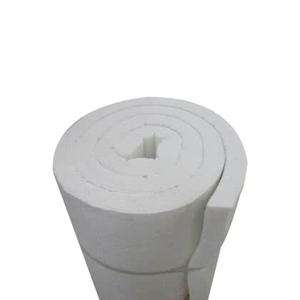
Overview of Ceramic fiber paper insulation
Ceramic fiber paper insulation is a lightweight, high-temperature insulation material composed primarily of alumina-silica. It is manufactured through a melting and spinning or blowing process, resulting in a flexible, wool-like textile. This material is engineered to provide exceptional thermal management, conserving energy and protecting equipment in extreme temperature environments across various industries.
Features of Ceramic fiber paper insulation
-
Excellent Thermal Stability: Withstands continuous operating temperatures up to 1260°C (2300°F) and higher for certain grades, with minimal shrinkage.
-
Low Thermal Conductivity: Provides highly efficient insulation, reducing heat loss and improving energy efficiency.
-
Lightweight & Low Heat Storage: Offers low thermal mass, enabling rapid heat-up and cool-down cycles for improved process control and energy savings.
-
Thermal Shock Resistance: Highly resistant to damage from rapid temperature changes.
-
Excellent Flexibility & Resilience: Can be fabricated into blankets, boards, papers, and textiles to fit complex shapes and applications.
-
Good Chemical Stability: Resists attack from most corrosive agents, except strong alkalis and hydrofluoric acid.
Specification of Ceramic fiber paper insulation
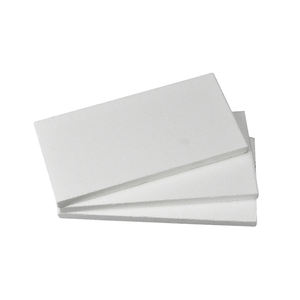
Ceramic fiber paper insulation supplies dependable warm security. It manages heats well. This product is made from ceramic fibers mixed with a percentage of organic binder. The binder burns off during the very first home heating. This leaves a pure ceramic framework. The paper is versatile and simple to cut. You can shape it to fit different surfaces. It offers great thermal insulation residential or commercial properties. Warmth transfer slows down considerably. This conserves power. The product stands up to most chemicals. It will not wear away quickly. It remains strong also after direct exposure to numerous substances. Ceramic fiber paper works well in heating systems and kilns. It is used for gaskets and seals. Individuals use it in fire protection applications also. It serves as a barrier versus flames. The paper can be found in different densities. Usual densities vary from 1mm to 12mm. You choose the density based on the required insulation level. Thicker paper offers much more insulation. It also is available in various thickness. Greater thickness paper is more powerful however much less adaptable. Reduced thickness is softer. This material is light. It does not include much weight to frameworks. Installment is straightforward. You sufficed to size. You fit it right into place. It requires no unique tools. Security is necessary throughout managing. Put on gloves and a mask. The fibers can aggravate skin and lungs. Maintain it completely dry prior to usage. Dampness damages the paper originally. As soon as mounted and heated, it comes to be steady.
Applications of Ceramic fiber paper insulation
Ceramic fiber paper insulation is slim and adaptable. It takes care of heats very well. Individuals use it in many areas needing warmth control. Heating systems and kilns often have this paper. It lines the wall surfaces and doors. This insulation maintains the warm inside. It conserves power and improves effectiveness.
Industrial equipment uses this paper as well. It protects delicate parts from extreme warm. Shops and metal processing plants depend on it. Workers cover pipes and ducts with the paper. This protects against warm loss and shields workers from burns. The paper is light-weight and easy to set up.
Fire safety and security is an additional large use. The paper functions as a barrier against flames. It goes into fire doors and safety panels. Electric closets and control panels usually include it. This insulation shields elements from fire damages. It helps tools maintain working securely.
Automotive and aerospace industries require this insulation. It lines engine areas and exhaust locations. The paper withstands high temperatures from engines. It shields neighboring components from warm. Aircraft systems utilize it for thermal administration. This material is reliable sought after environments.
The paper works well for gaskets and seals in warm areas. It fills up voids where warmth could run away. It secures furnace doors efficiently. This quits warm leaking out. The material compresses slightly to make a limited seal. It maintains its protecting power under stress.
Taking care of ceramic fiber paper is simple. You can cut it with routine devices. You shape it conveniently for different work. Individuals adhesive it or utilize mechanical fasteners to hold it in place. It stays as soon as set up. This makes installation fast and simple.
Ceramic fiber paper insulation is functional. It carries out reliably at heats. Industries choose it for efficient thermal control. It resolves numerous warm management problems.
Company Profile
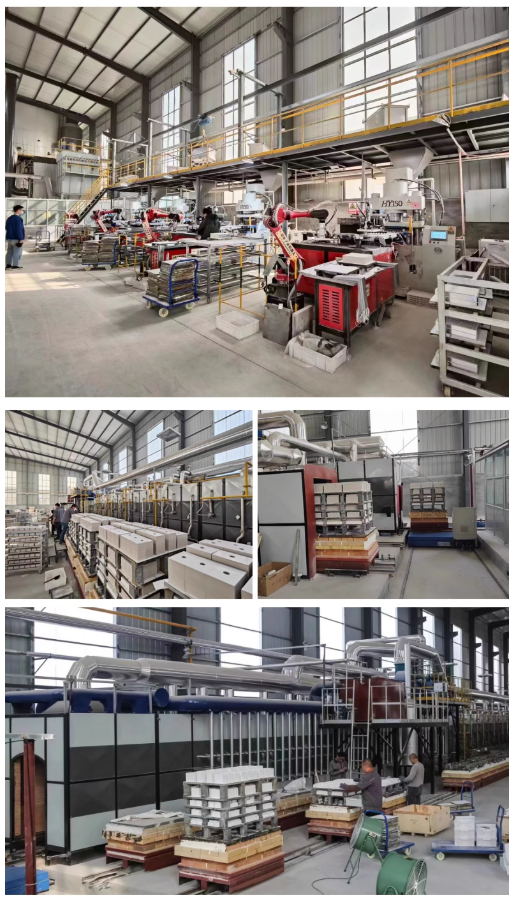
Tanki New Materials Co.Ltd. focus on the research and development, production and sales of ceramic products, serving the electronics, ceramics, chemical and other industries. Since its establishment in 2015, the company has been committed to providing customers with the best products and services, and has become a leader in the industry through continuous technological innovation and strict quality management.
Our products includes but not limited to Aerogel, Aluminum Nitride, Aluminum Oxide, Boron Carbide, Boron Nitride, Ceramic Crucible, Ceramic Fiber, Quartz Product, Refractory Material, Silicon Carbide, Silicon Nitride, ect. please feel free to contact us.
Payment Methods
T/T, Western Union, Paypal, Credit Card etc.
Shipment Methods
By air, by sea, by express, as customers request.
5 FAQs of Ceramic fiber paper insulation
Ceramic fiber paper is a lightweight insulation material. It’s made from ceramic fibers. People often ask what it is. It’s flexible and easy to cut. You use it for thermal insulation.
Why choose ceramic fiber paper? It handles high temperatures very well. It withstands heat better than many other materials. It’s good for saving energy. It keeps heat where you need it. This makes furnaces and ovens more efficient.
What temperatures can it take? It depends on the type. Regular grades usually manage up to 2300°F. Higher grades go even hotter. Always check the specific product rating. Don’t exceed the maximum temperature.
How do you install it? It’s quite simple. You cut it to the size you need. You attach it directly to hot surfaces. Use pins, washers, or high-temperature adhesive. Wear gloves and a mask. The fibers can be irritating. Handle it carefully to avoid tearing.
Where is it used? You find it in many high-heat areas. Furnaces and kilns use it. Industrial ovens need it. It insulates pipes carrying hot fluids. It’s common in fire protection systems too. Any place needing lightweight, heat-resistant insulation benefits.
REQUEST A QUOTE
RELATED PRODUCTS
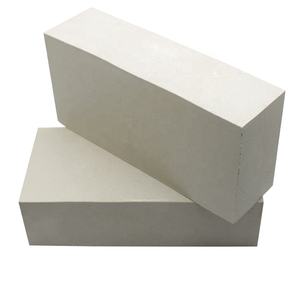
High-temperature corrosion-resistant silicon carbide guide kiln sintering, reaction sintering, Ceramic Alumina Ceramic Fiber.
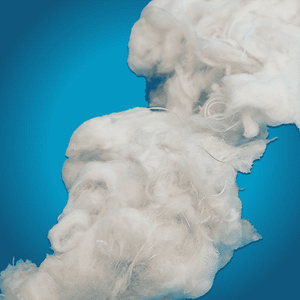
Ceramic fiber insulation modules
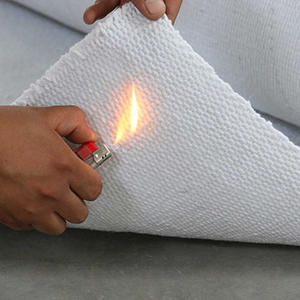
Biosoluble Silicate Alumina Ceramic Fiber Board, High-Quality Ceramic Fiber Board
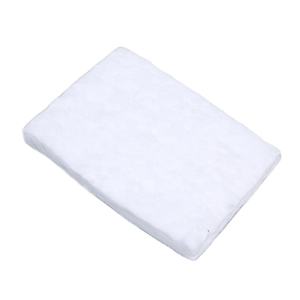
Ceramic Fiber rope, fireproof, refractory insulation, high-temperature ceramic fiber products for furnace sealing
Customizable Ceramic Fiber blocks for furnaces and kilns, Ceramic Fiber blanket folding modules