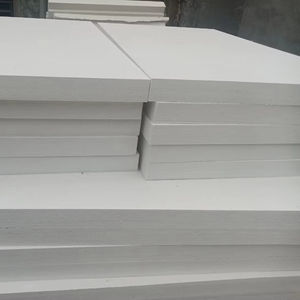
Professional industry ceramic supplier, silicon nitride, silicon carbide, aluminum nitride and any other kinds of ceramics.

PRODUCT PARAMETERS
Description
Overview of Ceramic Fiber Rope High Temperature Resistant 1200°C
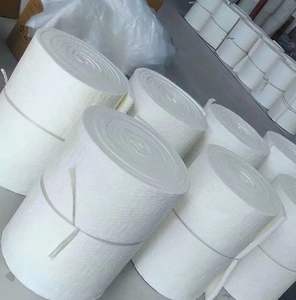
Ceramic Fiber Rope High Temperature Resistant 1200°C is a lightweight, high-temperature insulation material composed primarily of alumina-silica. It is manufactured through a melting and spinning or blowing process, resulting in a flexible, wool-like textile. This material is engineered to provide exceptional thermal management, conserving energy and protecting equipment in extreme temperature environments across various industries.
Features of Ceramic Fiber Rope High Temperature Resistant 1200°C
-
Excellent Thermal Stability: Withstands continuous operating temperatures up to 1260°C (2300°F) and higher for certain grades, with minimal shrinkage.
-
Low Thermal Conductivity: Provides highly efficient insulation, reducing heat loss and improving energy efficiency.
-
Lightweight & Low Heat Storage: Offers low thermal mass, enabling rapid heat-up and cool-down cycles for improved process control and energy savings.
-
Thermal Shock Resistance: Highly resistant to damage from rapid temperature changes.
-
Excellent Flexibility & Resilience: Can be fabricated into blankets, boards, papers, and textiles to fit complex shapes and applications.
-
Good Chemical Stability: Resists attack from most corrosive agents, except strong alkalis and hydrofluoric acid.
Specification of Ceramic Fiber Rope High Temperature Resistant 1200°C
Ceramic fiber rope handles intense heat. It works well up to 1200°C. This rope withstands extreme temperatures easily. It’s made from alumina-silica ceramic fibers. These fibers offer excellent insulation properties. They are spun into a strong, flexible yarn. The yarn is then braided or twisted into rope form. This creates a durable, heat-resistant product.
The rope is very lightweight. This makes it easy to handle and install. It stays flexible even after exposure to high heat. The material has low thermal conductivity. It keeps heat from transferring effectively. It provides good insulation value. The rope resists most chemicals well. It doesn’t react easily with acids or alkalis. This chemical stability is important in harsh environments. The material also has low heat storage. It cools down quickly after use.
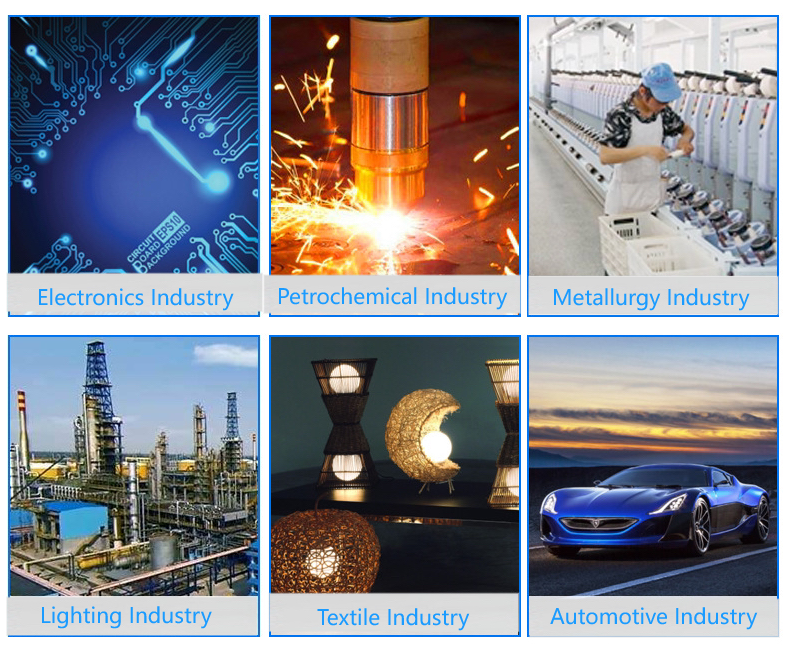
People use this rope in many hot areas. It seals furnace doors and kiln openings. It insulates pipes carrying hot fluids or gases. It protects expansion joints in high-heat ducts. It wraps around equipment needing thermal protection. It fills gaps where heat might escape. Industries like steel, glass, and petrochemical rely on it. Foundries and power plants use it too. It works wherever high temperature insulation is critical.
The rope comes in different diameters. Common sizes range from 3mm to 50mm. It comes on rolls or cut to specific lengths. The color is usually white or off-white. It feels soft but is quite strong. It handles physical stress reasonably well. It’s available packed in cartons or on spools.
Applications of Ceramic Fiber Rope High Temperature Resistant 1200°C
Ceramic fiber rope handles extreme heat up to 1200°C. It’s vital in many tough jobs needing reliable thermal insulation and sealing. Furnaces use it often. Workers pack it around doors and openings. This seals gaps effectively. It stops heat escaping. It keeps energy costs down. Boilers also rely on this rope. Technicians use it for gaskets and seals. It withstands the intense pressure and heat inside. This prevents dangerous leaks. Pipe systems need protection too. The rope wraps around pipes carrying very hot fluids or gases. It insulates the pipes. This saves energy. It also shields nearby workers from burns.
Kilns firing ceramics or metals use ceramic fiber rope. It lines door edges and joints. This ensures an even temperature inside. The result is better quality products. Power plants depend on it for critical seals. It goes around turbine casings and hot ductwork. This maintains efficiency. It prevents heat loss where components connect. Foundries use it around molten metal handling equipment. The rope seals ladles and troughs. It contains the intense heat. This protects equipment and workers. It also saves energy.
The rope is flexible. It fits into irregular shapes easily. This makes it perfect for custom sealing jobs. It compresses well to fill uneven gaps. It stays effective despite expansion and contraction from heat cycling. Its low thermal conductivity is key. This property blocks heat transfer effectively. It keeps heat where it belongs. It protects surrounding structures. Workers install it quickly. It requires minimal maintenance. This saves time and money. Ceramic fiber rope is a practical solution. It solves high-temperature sealing and insulation challenges across industries.
Company Profile
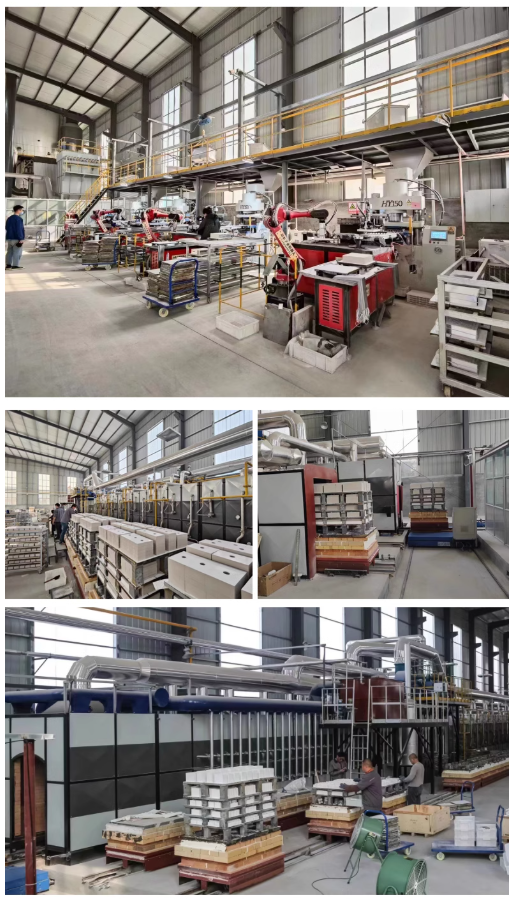
Tanki New Materials Co.Ltd. focus on the research and development, production and sales of ceramic products, serving the electronics, ceramics, chemical and other industries. Since its establishment in 2015, the company has been committed to providing customers with the best products and services, and has become a leader in the industry through continuous technological innovation and strict quality management.
Our products includes but not limited to Aerogel, Aluminum Nitride, Aluminum Oxide, Boron Carbide, Boron Nitride, Ceramic Crucible, Ceramic Fiber, Quartz Product, Refractory Material, Silicon Carbide, Silicon Nitride, ect. please feel free to contact us.
Payment Methods
T/T, Western Union, Paypal, Credit Card etc.
Shipment Methods
By air, by sea, by express, as customers request.
5 FAQs of Ceramic Fiber Rope High Temperature Resistant 1200°C
Ceramic fiber rope handles intense heat up to 1200°C. It’s made from special ceramic fibers. These fibers are woven together. This creates a strong, flexible rope. It stays soft and pliable even at high temperatures. This makes it useful for many hot jobs.
What’s the highest temperature this rope can take? This ceramic fiber rope is designed for temperatures reaching 1200°C. It works well for continuous use at this level. It can handle short bursts of even higher heat. Always check the exact specifications for your specific rope. Different types might have slightly different limits.
What is ceramic fiber rope actually made from? The main ingredient is alumina-silica fibers. These are fine, special ceramic strands. Manufacturers spin these fibers into yarn. Then they twist or braid the yarn to form the rope. This process gives it strength and flexibility. It also keeps its shape under heat.
Where is ceramic fiber rope typically used? It seals gaps in high-heat areas. People use it around furnace doors, kiln openings, and boiler hatches. It also insulates pipes and valves carrying very hot fluids or gases. Its flexibility helps it fit into tight spaces. It fills areas where rigid materials won’t work.
Is this rope safe to touch? Can I handle it myself? Generally, yes, you can handle it safely. Wear gloves when installing it. This prevents minor skin irritation from loose fibers. Always follow basic safety rules. Work in a well-ventilated space. Avoid breathing in any dust generated during cutting. The rope itself is non-toxic.
How do I install ceramic fiber rope effectively? Measure the gap or joint needing sealing carefully. Cut the rope to the required length. Push it firmly into the space. Make sure it fills the area completely. For the best seal, pack it tightly. Don’t leave gaps. It compresses slightly under pressure. This creates a good barrier against heat and gases.
REQUEST A QUOTE
RELATED PRODUCTS
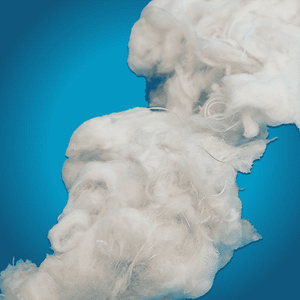
1260°C high-purity Ceramic Fiber insulation blanket for extreme high temperatures
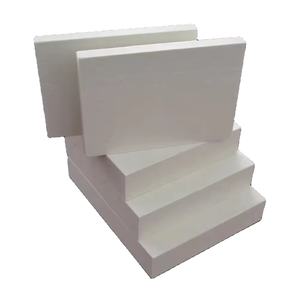
Ceramic Fiber Fireproof Cloth – Aluminosilicate High-Temperature Fabric with Steel Wire Reinforcement, Factory Direct.
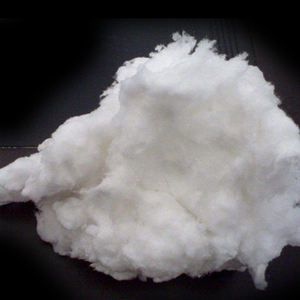
Ceramic fiber sheets for thermal insulation, soluble high-density fireplace ceramic fiber sheets
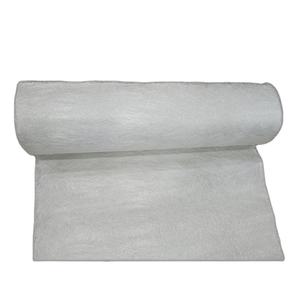
High-Temperature Insulation Ceramic Fiber Shaped Parts with Excellent Insulation Performance, Durable Product Category
High-quality felt, ceramic fiber blankets, 1260C, 1400C, and 1600C thermal insulation ceramic fiber boards