Professional industry ceramic supplier, silicon nitride, silicon carbide, aluminum nitride and any other kinds of ceramics.

PRODUCT PARAMETERS
Description
Overview of Mullite Refractory Ceramic Fiber Board for High-Temperature Furnaces
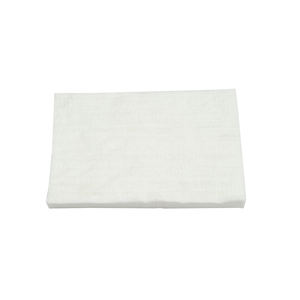
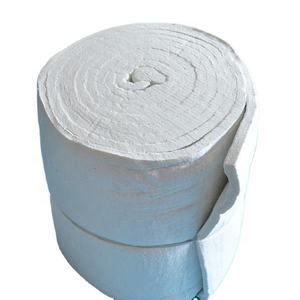
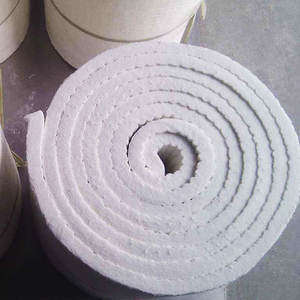
Mullite Refractory Ceramic Fiber Board for High-Temperature Furnaces is a lightweight, high-temperature insulation material composed primarily of alumina-silica. It is manufactured through a melting and spinning or blowing process, resulting in a flexible, wool-like textile. This material is engineered to provide exceptional thermal management, conserving energy and protecting equipment in extreme temperature environments across various industries.
Features of Mullite Refractory Ceramic Fiber Board for High-Temperature Furnaces
-
Excellent Thermal Stability: Withstands continuous operating temperatures up to 1260°C (2300°F) and higher for certain grades, with minimal shrinkage.
-
Low Thermal Conductivity: Provides highly efficient insulation, reducing heat loss and improving energy efficiency.
-
Lightweight & Low Heat Storage: Offers low thermal mass, enabling rapid heat-up and cool-down cycles for improved process control and energy savings.
-
Thermal Shock Resistance: Highly resistant to damage from rapid temperature changes.
-
Excellent Flexibility & Resilience: Can be fabricated into blankets, boards, papers, and textiles to fit complex shapes and applications.
-
Good Chemical Stability: Resists attack from most corrosive agents, except strong alkalis and hydrofluoric acid.
Specification of Mullite Refractory Ceramic Fiber Board for High-Temperature Furnaces
Mullite refractory ceramic fiber boards offer a strong solution for high-temperature furnaces. These boards are made from mullite fibers. Mullite is a special aluminum silicate material. It handles very high heat well. The boards resist temperatures up to 1600 degrees Celsius. This is much higher than many other fiber boards. They are built for severe conditions. Furnace linings see constant heat and stress. These boards are made tough.
The boards have a high density. This density means they are strong. They resist mechanical damage better than lighter materials. High density also improves insulation. Heat moves slower through dense boards. This keeps furnace heat inside where it belongs. Energy savings are a big benefit. Furnaces cost less to run.
Thermal shock resistance is another key point. Furnace temperatures change fast sometimes. Materials crack if they can’t handle rapid changes. Mullite fiber boards withstand these sudden shifts. They stay intact through heating and cooling cycles. This means longer service life. Furnace linings need to last.
Chemical stability is important too. Furnace atmospheres can be corrosive. Gases and fumes attack some materials. Mullite fiber boards resist chemical attack. They stay stable in reducing or oxidizing conditions. This stability prevents breakdown. The boards keep performing over time.
The boards come in flat, rigid sheets. They are easy to cut and shape. Installation is straightforward. Workers fit them into furnace walls, roofs, and doors. They provide a seamless insulation layer. Heat loss is minimized. Furnace efficiency improves.
These boards work well in various furnace types. Use them in forging furnaces, heat treatment furnaces, ceramic kilns, and more. They support high temperatures reliably. They are a practical choice for demanding applications.
Applications of Mullite Refractory Ceramic Fiber Board for High-Temperature Furnaces
Mullite refractory ceramic fiber board offers great insulation for demanding high-temperature furnaces. This rigid board is made from special ceramic fibers. These fibers give it unique properties perfect for extreme heat. The board handles temperatures over 1600°C. This is much higher than many other insulation products. It keeps heat inside the furnace very effectively. This saves a lot of energy. Furnaces heat up quicker too. Workers can start production faster. The board is also very lightweight. Installing it is simpler than heavy brick linings. Maintenance becomes easier later on. It resists sudden temperature changes well. The furnace lining lasts longer because of this. Chemical attack from furnace atmospheres is less likely. The board stays stable and reliable.
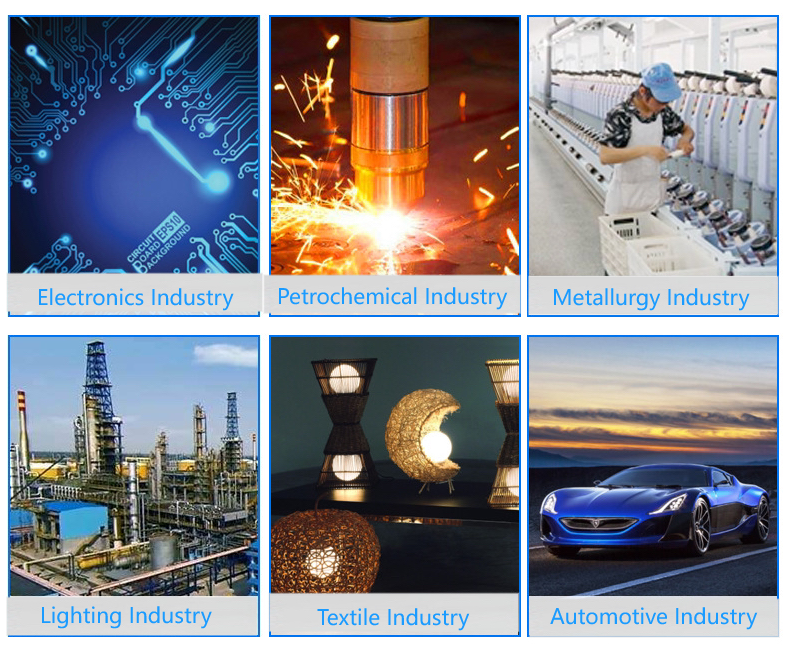
Many furnace types benefit from this material. It is ideal for heat treatment furnaces. Consistent temperatures are crucial here. The board helps achieve this. Ceramic kilns firing at high temperatures use it. It protects the kiln structure. Metal heat treatment furnaces employ it for insulation. It withstands the harsh conditions. Foundry furnaces melt metal. They need robust insulation. This board provides it. Laboratory furnaces require precision. The board helps maintain stable heat. It works well in furnace doors and walls. Sealing hot spots is another good use. Replacing worn brick linings is common. The board offers a modern solution. Its thermal efficiency saves money. Furnace longevity improves significantly.
Company Profile
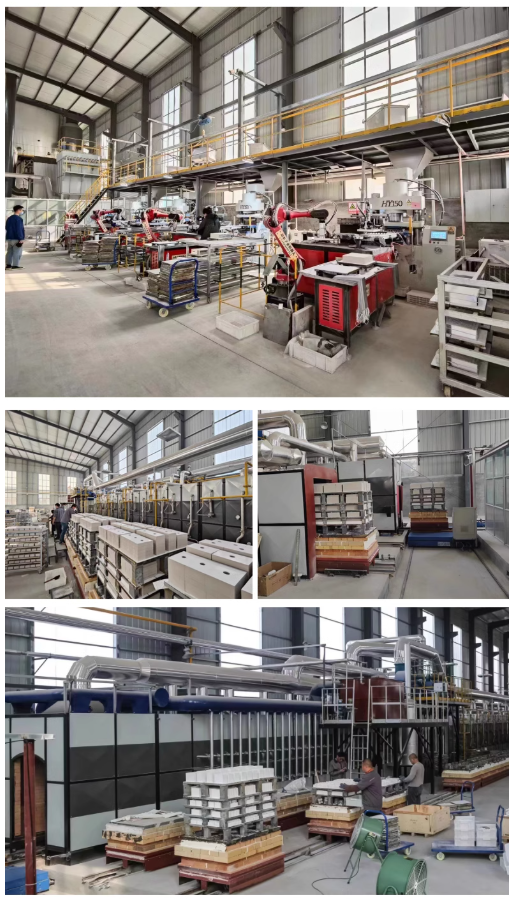
Tanki New Materials Co.Ltd. focus on the research and development, production and sales of ceramic products, serving the electronics, ceramics, chemical and other industries. Since its establishment in 2015, the company has been committed to providing customers with the best products and services, and has become a leader in the industry through continuous technological innovation and strict quality management.
Our products includes but not limited to Aerogel, Aluminum Nitride, Aluminum Oxide, Boron Carbide, Boron Nitride, Ceramic Crucible, Ceramic Fiber, Quartz Product, Refractory Material, Silicon Carbide, Silicon Nitride, ect. please feel free to contact us.
Payment Methods
T/T, Western Union, Paypal, Credit Card etc.
Shipment Methods
By air, by sea, by express, as customers request.
5 FAQs of Mullite Refractory Ceramic Fiber Board for High-Temperature Furnaces
Here are answers to five common questions about Mullite Refractory Ceramic Fiber Boards for high-temperature furnaces.
What is a Mullite Refractory Ceramic Fiber Board? It is a rigid insulation board. This board is made mostly from high-purity alumina and silica fibers. These fibers form a strong, lightweight material. It withstands very high heat well.
What temperatures can it handle? This board works well for continuous temperatures. It can handle temperatures up to about 1650°C (3000°F). It handles occasional spikes even higher. This makes it suitable for demanding furnace zones.
How is it installed? Installers secure it using special high-temperature anchors. They also use specific adhesives designed for extreme heat. Proper installation is key. Good installation ensures the board performs as expected. It prevents early failure.
What are the benefits over traditional bricks? This board offers major advantages. It is much lighter than firebrick. Its low thermal mass means furnaces heat up faster. Furnaces also cool down quicker. This saves significant energy. It improves overall furnace efficiency.
Where is it typically used inside a furnace? You find it lining furnace roofs. It lines furnace walls too. It is common in furnace doors. It works well as backing insulation behind hotter face materials. It fits wherever high heat resistance and good insulation are needed.
REQUEST A QUOTE
RELATED PRODUCTS
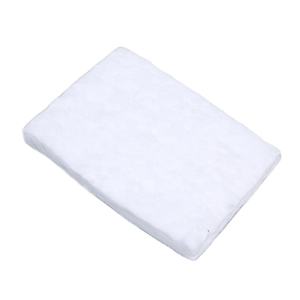
Customizable 1260°C thermal insulation ceramic fiber blanket for industrial furnaces
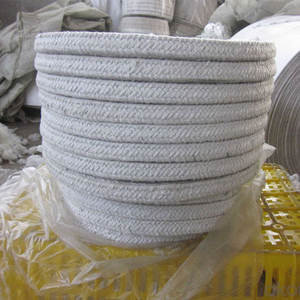
Refractory Ceramic Fiber rope, heat-resistant Ceramic Fiber rope , Ceramic Fiber hemp rope
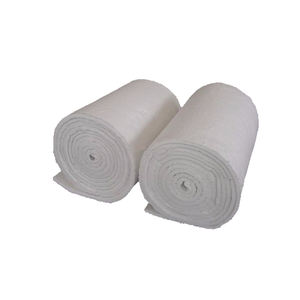
High-purity ceramic fiber (1800 grade, 1430 grade)
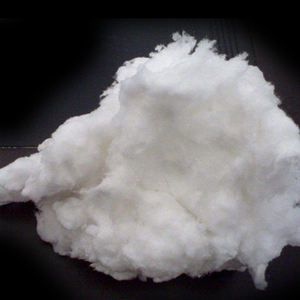
ISO9001 Certified Ceramic Fiber Board Quality Assurance, Refractory Cutting and Processing for Critical Thermal Applications
Customized Ceramic Fiber board for 1260°C furnace wall insulation