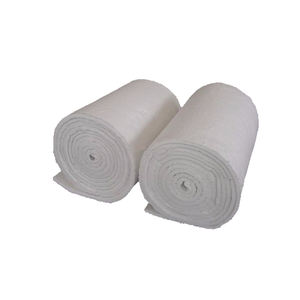
Professional industry ceramic supplier, silicon nitride, silicon carbide, aluminum nitride and any other kinds of ceramics.

PRODUCT PARAMETERS
Description
Overview of Refractory Ceramic Fiber Boards from 1100°C to 1900°C.
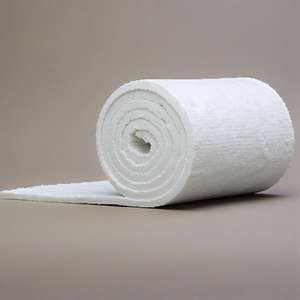
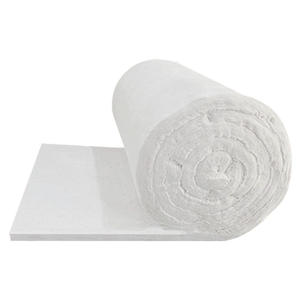
Refractory Ceramic Fiber Boards from 1100°C to 1900°C. is a lightweight, high-temperature insulation material composed primarily of alumina-silica. It is manufactured through a melting and spinning or blowing process, resulting in a flexible, wool-like textile. This material is engineered to provide exceptional thermal management, conserving energy and protecting equipment in extreme temperature environments across various industries.
Features of Refractory Ceramic Fiber Boards from 1100°C to 1900°C.
-
Excellent Thermal Stability: Withstands continuous operating temperatures up to 1260°C (2300°F) and higher for certain grades, with minimal shrinkage.
-
Low Thermal Conductivity: Provides highly efficient insulation, reducing heat loss and improving energy efficiency.
-
Lightweight & Low Heat Storage: Offers low thermal mass, enabling rapid heat-up and cool-down cycles for improved process control and energy savings.
-
Thermal Shock Resistance: Highly resistant to damage from rapid temperature changes.
-
Excellent Flexibility & Resilience: Can be fabricated into blankets, boards, papers, and textiles to fit complex shapes and applications.
-
Good Chemical Stability: Resists attack from most corrosive agents, except strong alkalis and hydrofluoric acid.
Specification of Refractory Ceramic Fiber Boards from 1100°C to 1900°C.
Refractory ceramic fiber boards handle extreme heat. They work from 1100°C up to 1900°C. These boards resist very high temperatures well. They keep their shape even under intense heat. This makes them reliable for demanding jobs.
These boards conduct heat poorly. They are great thermal insulators. This property saves energy. Furnaces stay hot inside. Less heat escapes into the surroundings. Operators save on fuel costs.
You can find these boards in different temperature grades. Standard boards handle around 1260°C. Higher grades manage 1430°C or even 1500°C. Some special formulations push to 1600°C or beyond, towards 1900°C. Always check the specific board’s maximum rating.
Board density varies. Common options include 260 kg/m³, 320 kg/m³, and 380 kg/m³. Higher density means greater strength. It also improves insulation slightly. Choose the density based on your strength needs and space.
The boards possess good compressive strength. They can withstand pressure without crumbling. This is important in furnace linings. Heavy materials rest on them. They hold up well.
Refractory ceramic fiber boards are versatile. People use them in furnace linings, kiln linings, and behind hot faces. They serve as backup insulation. They also make excellent fire protection layers. Their low thermal conductivity protects surrounding structures. They are easy to cut and install. This saves time during setup.
Applications of Refractory Ceramic Fiber Boards from 1100°C to 1900°C.
Refractory ceramic fiber boards tackle seriously high heat. They handle temperatures from 1100°C right up to 1900°C. This makes them essential for demanding industrial jobs. These boards are lightweight. They also offer great insulation. Furnaces and kilns use them often. They line the hot zones. This saves energy. It keeps outer surfaces cooler. Kilns firing ceramics depend on them. The boards provide stable, uniform heating. Reactors in chemical plants need them too. They protect sensitive equipment from extreme temperatures. Metal processing uses these boards extensively. Foundries melt metal inside furnaces lined with them. The boards act as backup insulation. They sit behind dense refractory bricks or castables. This setup boosts energy efficiency. It extends the furnace lining’s life. Fire protection is another key use. These boards form effective fire barriers. They shield structural steel. They protect sensitive areas in buildings. The boards resist very high heat directly. They don’t easily break down. Different board grades exist. They match specific temperature needs. Lower temperature boards work around 1100°C to 1250°C. Mid-range boards handle 1260°C to 1400°C. High-purity alumina boards manage 1425°C to 1500°C. The absolute top-tier boards, often zirconia-enhanced, withstand 1600°C to 1900°C. Choosing the right grade is vital. It ensures performance and safety. These boards are versatile solutions for intense heat challenges.
Company Profile
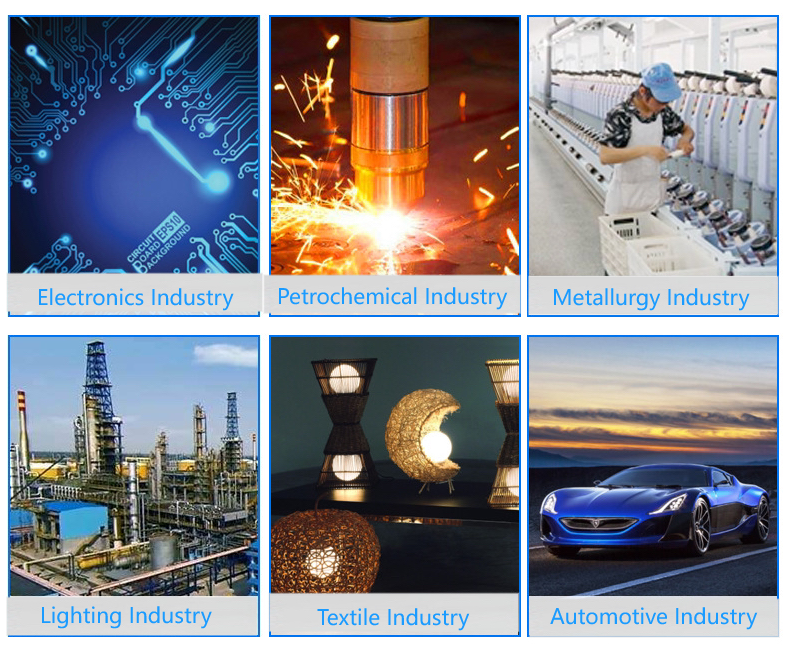
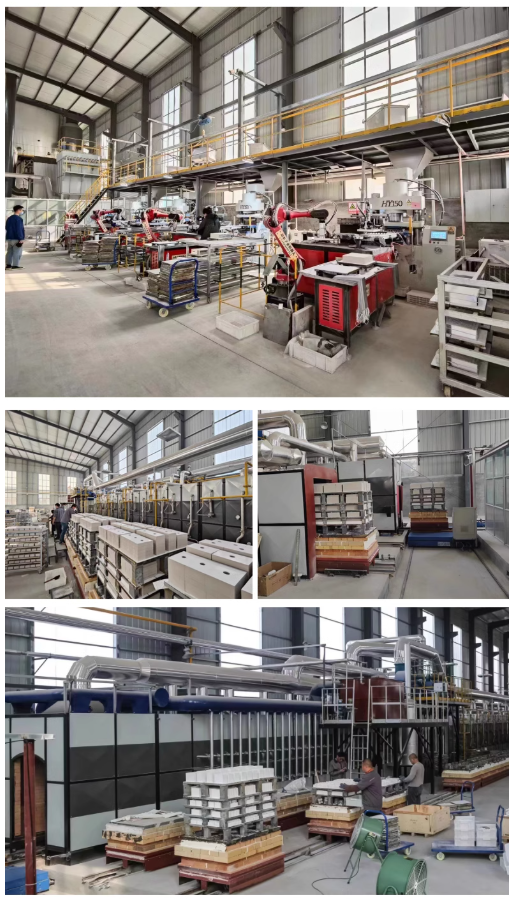
Tanki New Materials Co.Ltd. focus on the research and development, production and sales of ceramic products, serving the electronics, ceramics, chemical and other industries. Since its establishment in 2015, the company has been committed to providing customers with the best products and services, and has become a leader in the industry through continuous technological innovation and strict quality management.
Our products includes but not limited to Aerogel, Aluminum Nitride, Aluminum Oxide, Boron Carbide, Boron Nitride, Ceramic Crucible, Ceramic Fiber, Quartz Product, Refractory Material, Silicon Carbide, Silicon Nitride, ect. please feel free to contact us.
Payment Methods
T/T, Western Union, Paypal, Credit Card etc.
Shipment Methods
By air, by sea, by express, as customers request.
5 FAQs of Refractory Ceramic Fiber Boards from 1100°C to 1900°C.
Refractory Ceramic Fiber Boards are rigid insulation boards. They handle very high temperatures. People use them in furnaces, kilns, and boilers. They are made from ceramic fibers. These fibers are pressed together. This makes a strong board. Here are common questions about them.
What are Refractory Ceramic Fiber Boards? They are special boards for heat. They stop heat from escaping. They keep furnaces hot inside. They are light but strong. They resist very high heat well.
What temperature can they handle? These boards work from 1100°C up to 1900°C. The exact top temperature depends on the type. Some boards handle 1430°C. Others handle 1500°C. The best ones can take 1900°C. Always check the specific board rating.
Where are they used? People put them inside hot equipment. They line furnaces for metal or glass. They insulate kilns for pottery. They are good in boilers too. They fit behind fireproof bricks. They cover hot surfaces directly.
Why choose them over other insulation? They are very light. This means less weight on the furnace structure. They insulate heat better than many materials. They heat up fast and cool down fast. This saves energy. They resist damage from quick temperature changes. They are easy to cut and shape on site.
Are they safe to handle? Handle them carefully. Wear gloves and a mask. The fibers can irritate skin and lungs. Cutting makes dust. Use good ventilation. Always follow the maker’s safety advice.
REQUEST A QUOTE
RELATED PRODUCTS
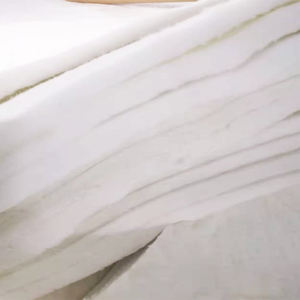
Polycrystalline mullite alumina ceramic fiber board for thermal insulation
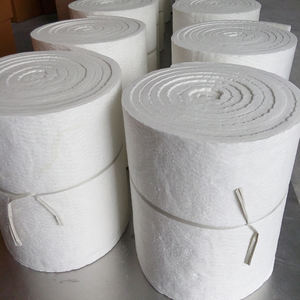
Factory direct supply, large inventory of high-temperature ceramic fiber bulk for industrial furnaces and buildings
Large inventory of factory-made ceramic fiber fabrics for insulating glass fiber coatings.
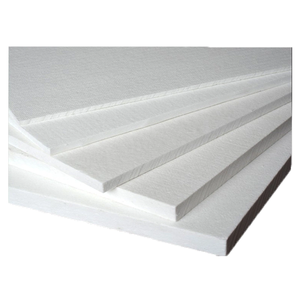
Factory-direct high-quality ceramic fiber tubing, high-temperature fire-resistant, alkali-free glass fiber yarn cable protection tubing
Heat-resistant ceramic fiber cloth with stainless steel wire furnace refractory textile for insulation