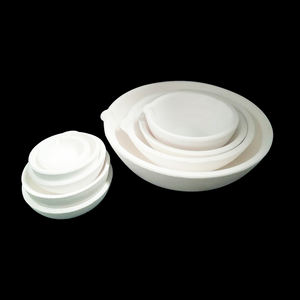
Professional industry ceramic supplier, silicon nitride, silicon carbide, aluminum nitride and any other kinds of ceramics.

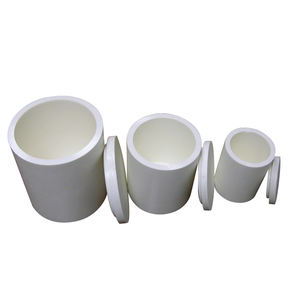
PRODUCT PARAMETERS
Description
Overview of Inert Gas Nitrogen / Argon Quartz / Alumina Ceramic Tube Atmosphere Furnace
Inert Gas Nitrogen / Argon Quartz / Alumina Ceramic Tube Atmosphere Furnace are a unique class of materials manufactured by fusing high-purity quartz crystal into a non-crystalline, vitrified form. This process results in a ceramic with an exceptionally low and predictable thermal expansion coefficient, making it supremely resistant to thermal shock. Its outstanding optical, thermal, and electrical properties make it indispensable in high-temperature viewing windows, semiconductor processing, precision instrumentation, and aerospace applications.
Features of Inert Gas Nitrogen / Argon Quartz / Alumina Ceramic Tube Atmosphere Furnace
-
Exceptional Thermal Shock Resistance: Its near-zero thermal expansion coefficient allows it to withstand extreme and rapid temperature changes without cracking.
-
High Purity & Chemical Stability: Excellent resistance to corrosion from acids and molten metals, ensuring performance in aggressive environments.
-
High Service Temperature: Can be used continuously at high temperatures while maintaining its structural integrity.
-
Excellent Optical Properties: Offers high transmission from the ultraviolet to the infrared spectrum, ideal for lenses, windows, and optical substrates.
-
Low Thermal Conductivity: Provides effective thermal insulation.
-
Superior Electrical Insulation: Maintains high electrical resistivity and low dielectric loss at elevated temperatures.
Specifications of Inert Gas Nitrogen / Argon Quartz / Alumina Ceramic Tube Atmosphere Furnace
This furnace handles high-temperature work under inert gas protection. It uses nitrogen or argon gas to create a safe atmosphere. This prevents oxidation or unwanted reactions with your samples. You can choose the tube material. Quartz tubes are good for lower temperatures. Alumina ceramic tubes withstand much higher heat. The furnace reaches high temperatures. It typically heats up to 1700°C or more. The heating happens fast. The temperature stays very steady during your process. This is important for consistent results. The furnace chamber is a tube. Your material sits inside this tube. The gas flows around your sample. It pushes out the normal air. You control the gas flow rate precisely. This ensures the right gas environment. The heating elements surround the tube. They heat the chamber evenly. Good insulation keeps the heat inside. This saves energy. It also protects the outer furnace parts. The control system manages everything. You set the desired temperature. You set the heating speed. You set how long it holds the temperature. You set the gas flow rate. Digital controllers are common. They are easy to use. They show you the current temperature. They show you the gas flow. Safety features are built-in. These stop overheating. They monitor the gas flow. They can shut down if something goes wrong. The furnace shell stays cool. You won’t burn yourself touching it. This furnace suits labs and workshops. It works for material processing. It works for heat treatment under gas. It works for annealing sensitive materials. It works for sintering powders. The inert gas keeps things stable. It protects your valuable samples. You get reliable performance.
Applications of Inert Gas Nitrogen / Argon Quartz / Alumina Ceramic Tube Atmosphere Furnace
This furnace uses inert gases like nitrogen or argon. It uses quartz tubes or alumina ceramic tubes. The tube holds the samples. The gas flows inside the tube. This creates a special atmosphere. This is important for many high-temperature jobs. Oxygen causes problems. The inert gas pushes out oxygen. This stops oxidation. Oxidation damages materials. Metals need protection. Ceramics need protection too. This furnace gives that protection. Scientists and engineers use it. They use it for heat treatment. They use it for annealing metals. Annealing makes metals softer. The inert gas stops the surface from ruining. It keeps the metal clean. The furnace helps with sintering. Sintering bonds powder particles. This makes solid ceramic parts. It makes solid metal parts. The inert atmosphere helps the particles stick together. It stops unwanted reactions. Crystal growth happens in this furnace too. Growing crystals needs very clean conditions. The gas keeps the environment pure. The tube material matters. Quartz tubes work well for lower temperatures. Alumina ceramic tubes handle much higher heat. This furnace offers precise temperature control. It can go very hot. The controlled atmosphere is key. It lets people process materials safely. They can avoid contamination. They can avoid burning. Different gases have different uses. Nitrogen is common and cheaper. Argon is heavier. Argon works better sometimes. The furnace suits research labs. It suits production settings too. It is good for developing new materials. It is good for improving existing materials. Heat treating special alloys is possible. Testing material behavior is possible. The sealed tube system makes it reliable. It makes it flexible for different tasks. People use it for many advanced material processes.
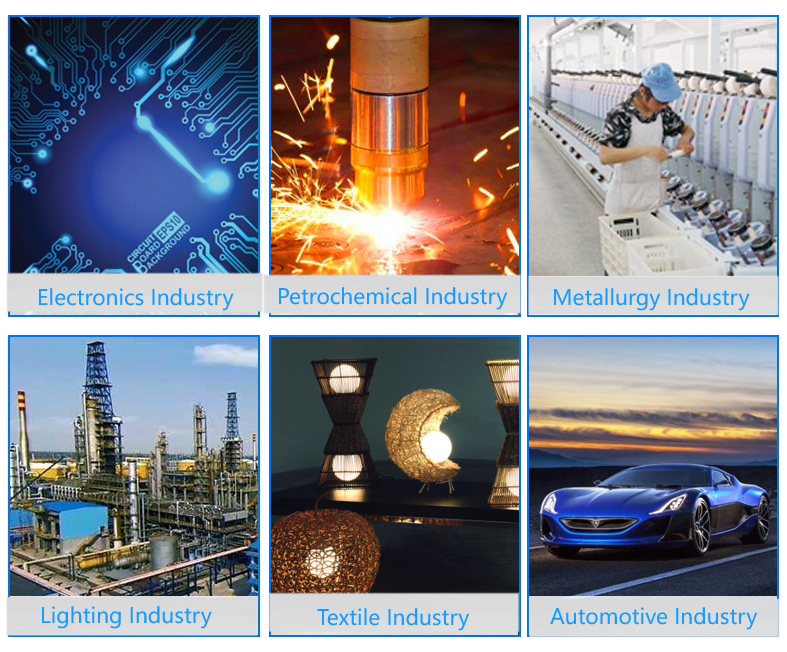
Company Profile
Tanki New Materials Co.Ltd. focus on the research and development, production and sales of ceramic products, serving the electronics, ceramics, chemical and other industries. Since its establishment in 2015, the company has been committed to providing customers with the best products and services, and has become a leader in the industry through continuous technological innovation and strict quality management.
Our products includes but not limited to Aerogel, Aluminum Nitride, Aluminum Oxide, Boron Carbide, Boron Nitride, Ceramic Crucible, Ceramic Fiber, Quartz Product, Refractory Material, Silicon Carbide, Silicon Nitride, ect. please feel free to contact us.
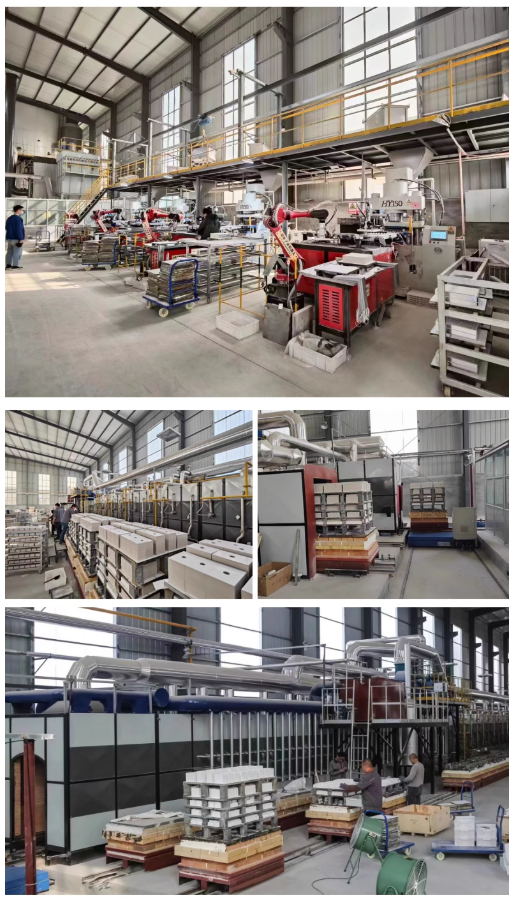
Payment Methods
T/T, Western Union, Paypal, Credit Card etc.
Shipment Methods
By air, by sea, by express, as customers request.
5 FAQs of Inert Gas Nitrogen / Argon Quartz / Alumina Ceramic Tube Atmosphere Furnace
What does an inert gas do in the furnace? The inert gas replaces the air inside the tube. Air contains oxygen. Oxygen causes oxidation. Oxidation ruins some materials during heating. Nitrogen or argon prevents this. They create a protective atmosphere. This keeps materials safe.
Why use quartz or alumina ceramic tubes? These tubes handle very high temperatures. Quartz is good up to around 1100°C. Alumina ceramic works up to about 1700°C. They also resist chemical reactions. The inert gas flows inside the tube. The tube holds your samples. It protects them from the furnace elements.
How hot can this furnace get? The maximum temperature depends on the furnace model. It also depends on the tube material. Quartz tubes limit the temperature to roughly 1100°C. Alumina ceramic tubes allow much higher temperatures. Some furnaces reach 1700°C or more with alumina. Check the specific furnace specifications.
Is the inert gas dangerous? Nitrogen and argon are inert gases. They are not flammable. They are not toxic. They can displace oxygen in the air. This is a risk in small, enclosed spaces. Always use the furnace in a well-ventilated area. Follow safety guidelines for gas handling.
What is this furnace used for? People use it for high-temperature processes. These processes need a protective atmosphere. Examples include sintering ceramics. Annealing metals is another common use. Heat treating alloys happens often. It works well for processing sensitive materials. These materials react badly with oxygen.
REQUEST A QUOTE
RELATED PRODUCTS
Hot Portable Ceramic Tile Display Stand Size Adjusted 60×120 for Wooden Flooring Quartz Stone Granite Marble Slab Metal
Promotion Quartz Solid Surface Book Case Board Stone Tile Design Sample Case Catalog Paint Template Display Rack
Hot ing Flat Ceramic Quartz Stone Slab Tile Quartz Stone Fine Polished Quartz Slab For Kitchen Decoration
High Quality Quartz Powder (0-100 Micron) SiO2:98%min for Ceramic Adhesives

1800 Degree High Temperature Customizable Ceramic Plate Furnace Quartz Crucible