Professional industry ceramic supplier, silicon nitride, silicon carbide, aluminum nitride and any other kinds of ceramics.


PRODUCT PARAMETERS
Description
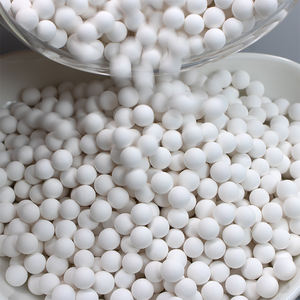
Overview of High Quality Alumina Bubble Refractory Brick 1800C Alumina Hollow Ball Insulating Brick For Ceramic Furnace
High Quality Alumina Bubble Refractory Brick 1800C Alumina Hollow Ball Insulating Brick For Ceramic Furnace are non-metallic substances designed to withstand extreme temperatures exceeding 1,000°C, along with harsh chemical and physical stresses. They are essential for the inner linings of industrial furnaces, kilns, reactors, and incinerators, providing critical thermal insulation and structural integrity in processes ranging from metal and glass manufacturing to power generation.
Features of High Quality Alumina Bubble Refractory Brick 1800C Alumina Hollow Ball Insulating Brick For Ceramic Furnace
-
High-Temperature Resistance: Maintain structural strength and stability at temperatures often exceeding 1500°C.
-
Excellent Thermal Shock Resistance: Withstand rapid heating and cooling cycles without cracking or spalling.
-
Chemical Inertness: Resist corrosion and degradation from slags, molten metals, and acidic or basic environments.
-
High Mechanical Strength: Possess considerable load-bearing capacity at operating temperatures.
-
Low Thermal Conductivity: Provide effective insulation to improve energy efficiency and protect furnace structures.
-
Abrasion Resistance: Withstand erosion from solid materials and gas flows.
Specification of High Quality Alumina Bubble Refractory Brick 1800C Alumina Hollow Ball Insulating Brick For Ceramic Furnace
Our high-quality alumina bubble refractory bricks are designed for demanding high-temperature applications. These bricks are crafted using alumina hollow balls. This special composition creates a lightweight structure. The bricks offer outstanding thermal insulation properties. They are perfect for ceramic furnaces and similar industrial settings. The maximum service temperature reaches 1800°C. This makes them suitable for very hot environments. Good thermal stability is a key feature. The bricks resist sudden temperature changes effectively. Low thermal conductivity is another major benefit. It means heat transfer through the brick wall is minimized. This results in significant energy savings during furnace operation. The alumina hollow ball structure provides excellent insulation. Heat loss is greatly reduced. Furnace efficiency improves noticeably. These insulating bricks have a low bulk density. They are much lighter than traditional dense refractory products. Handling and installation become easier. Despite being lightweight, the bricks maintain good strength. They resist physical damage and erosion well. The material offers good chemical stability too. It withstands corrosive furnace atmospheres effectively. Long service life is expected. Users benefit from reduced maintenance costs and downtime. These alumina hollow ball bricks are ideal for furnace linings. They work well in kilns and other high-heat equipment. The focus is on reliable performance under extreme conditions. Energy efficiency is a primary advantage. Improved temperature control inside the furnace is achievable. Overall operational costs can be lowered. These bricks provide a practical solution for high-temperature insulation needs.
Applications of High Quality Alumina Bubble Refractory Brick 1800C Alumina Hollow Ball Insulating Brick For Ceramic Furnace
High quality alumina bubble bricks are special heat-resistant bricks. They handle temperatures up to 1800 degrees Celsius. They are made using alumina bubbles or hollow alumina balls. This creates a lightweight structure with excellent insulation properties. These bricks are ideal for ceramic furnaces. Ceramic firing requires precise temperature control and consistent heat. These bricks help achieve that. Their low thermal conductivity means less heat escapes. This keeps the inside hot efficiently. Energy costs drop significantly. The furnace uses less fuel to stay at temperature. The bricks are also very strong. They resist damage from thermal shock. Sudden temperature changes happen during firing cycles. The bricks withstand these stresses well. This reduces cracking and spalling. Furnace linings last longer. Less downtime is needed for repairs. Production schedules improve. Alumina bubble bricks resist chemical attack too. Glaze fumes and kiln atmospheres can be corrosive. The bricks maintain their integrity. They provide a stable environment for firing ceramics. The lightweight nature is another benefit. Heavy linings stress furnace structures. These lighter bricks reduce that load. Installation is often easier. They are suitable for various furnace zones. People use them in hot faces and backup insulation layers. Choosing the right grade is important. Match the brick properties to the specific furnace conditions. This ensures peak performance and long life. Proper installation methods are crucial. Follow manufacturer guidelines for best results.

Company Profile
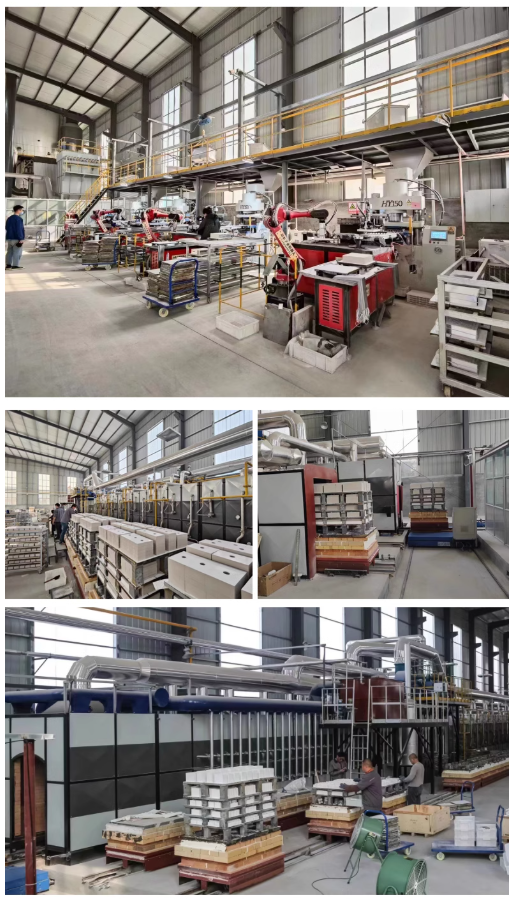
Tanki New Materials Co.Ltd. focus on the research and development, production and sales of ceramic products, serving the electronics, ceramics, chemical and other industries. Since its establishment in 2015, the company has been committed to providing customers with the best products and services, and has become a leader in the industry through continuous technological innovation and strict quality management.
Our products includes but not limited to Aerogel, Aluminum Nitride, Aluminum Oxide, Boron Carbide, Boron Nitride, Ceramic Crucible, Ceramic Fiber, Quartz Product, Refractory Material, Silicon Carbide, Silicon Nitride, ect. please feel free to contact us.
Payment Methods
T/T, Western Union, Paypal, Credit Card etc.
Shipment Methods
By air, by sea, by express, as customers request.
5 FAQs of High Quality Alumina Bubble Refractory Brick 1800C Alumina Hollow Ball Insulating Brick For Ceramic Furnace
What are alumina bubble bricks? These bricks are made from alumina bubbles. They are lightweight. They offer excellent insulation. They withstand high temperatures. They are ideal for ceramic furnaces.
Why choose these bricks? They save energy. Their low thermal conductivity reduces heat loss. They are strong. They resist chemical corrosion. They last longer than other options. This means fewer replacements.
How hot can they handle? These bricks handle temperatures up to 1800 degrees Celsius. They stay stable. They do not crack easily. They are perfect for high-heat zones. They protect the furnace structure.
How are they installed? Installation is straightforward. Use refractory mortar. Fit the bricks tightly together. Ensure gaps are minimal. This prevents heat leaks. Follow the furnace design plans. Proper installation improves performance.
Where are they used? Use them in ceramic kilns. Use them in furnace linings. Use them in high-temperature industrial ovens. Their insulation keeps heat inside. This improves efficiency. They are reliable for demanding applications.
REQUEST A QUOTE
RELATED PRODUCTS
Refractory Y2o3 Zro2 Cao Calcium Oxide Stabilized Zirconia Ceramic Zro2 Crucibles
Silicon Carbide High Purity 98% SiCfor Metallurgical Deoxidation Refractory Materials Complete Specifications Bulk
Refractory Customized High Purity 99.5% Alumina Ceramic Porous Heater Plate/ Block
Refractory Customized High Purity 99.5% Alumina Ceramic Porous Heater Plate/ Block
Refractory Grade Pyrophyllite Is The Ideal Choice For Furnaces And ceramics, Prized For Its High Thermal Strength And Durability