Professional industry ceramic supplier, silicon nitride, silicon carbide, aluminum nitride and any other kinds of ceramics.

PRODUCT PARAMETERS
Description
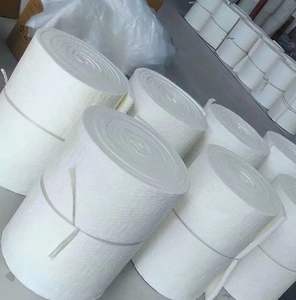
Overview of Refractory Materials Waterproof, Heat Insulation and Thermal Insulation Felt, High-temperature Fiber Felt, Flame Retardant
Refractory Materials Waterproof, Heat Insulation and Thermal Insulation Felt, High-temperature Fiber Felt, Flame Retardant are non-metallic substances designed to withstand extreme temperatures exceeding 1,000°C, along with harsh chemical and physical stresses. They are essential for the inner linings of industrial furnaces, kilns, reactors, and incinerators, providing critical thermal insulation and structural integrity in processes ranging from metal and glass manufacturing to power generation.
Features of Refractory Materials Waterproof, Heat Insulation and Thermal Insulation Felt, High-temperature Fiber Felt, Flame Retardant
-
High-Temperature Resistance: Maintain structural strength and stability at temperatures often exceeding 1500°C.
-
Excellent Thermal Shock Resistance: Withstand rapid heating and cooling cycles without cracking or spalling.
-
Chemical Inertness: Resist corrosion and degradation from slags, molten metals, and acidic or basic environments.
-
High Mechanical Strength: Possess considerable load-bearing capacity at operating temperatures.
-
Low Thermal Conductivity: Provide effective insulation to improve energy efficiency and protect furnace structures.
-
Abrasion Resistance: Withstand erosion from solid materials and gas flows.
Specification of Refractory Materials Waterproof, Heat Insulation and Thermal Insulation Felt, High-temperature Fiber Felt, Flame Retardant
This item is high-performance refractory product. It excels in hard conditions. The felt offers superb water resistant protection. Water can not penetrate it. This maintains the hidden surfaces secure. Dampness damages is protected against efficiently.
Warm insulation is a major toughness. The product obstructs warmth transfer effectively. It keeps warm inside furnaces or stoves. It likewise keeps warm out of protected locations. Energy performance boosts dramatically. Gas expenses can be lowered.
Thermal insulation efficiency is superior. The felt reduces warm loss. It maintains steady temperature levels inside devices. This is vital for consistent commercial processes. Temperature changes are minimized.
The core material is usually high-temperature fiber felt. Ceramic fibers are generally utilized. These fibers stand up to extreme warm. Temperatures surpassing 1000 levels Celsius are manageable. The material stays stable. It does not melt or degrade.
Flame retardancy is integrated. The material stands up to catching fire easily. It self-extinguishes if fired up. Fire safety is substantially boosted. This is important in high-heat zones. Risk of fire spread is decreased.
Toughness is an additional key attribute. The really felt holds up against physical stress and anxiety. It withstands tearing or squashing. Long service life is anticipated. Replacement regularity reduces. Upkeep prices decrease.
Installment is generally uncomplicated. The really felt is versatile. It can adapt intricate shapes. Cutting and fitting are basic tasks. Labor time is minimized. Application convenience is high.
This product suits many sectors. Factories use it. Kilns and central heating boilers profit too. Power generation plants apply it extensively. Anywhere high warmth and moisture exist, it carries out. Protection and insulation are assured.
Applications of Refractory Materials Waterproof, Heat Insulation and Thermal Insulation Felt, High-temperature Fiber Felt, Flame Retardant
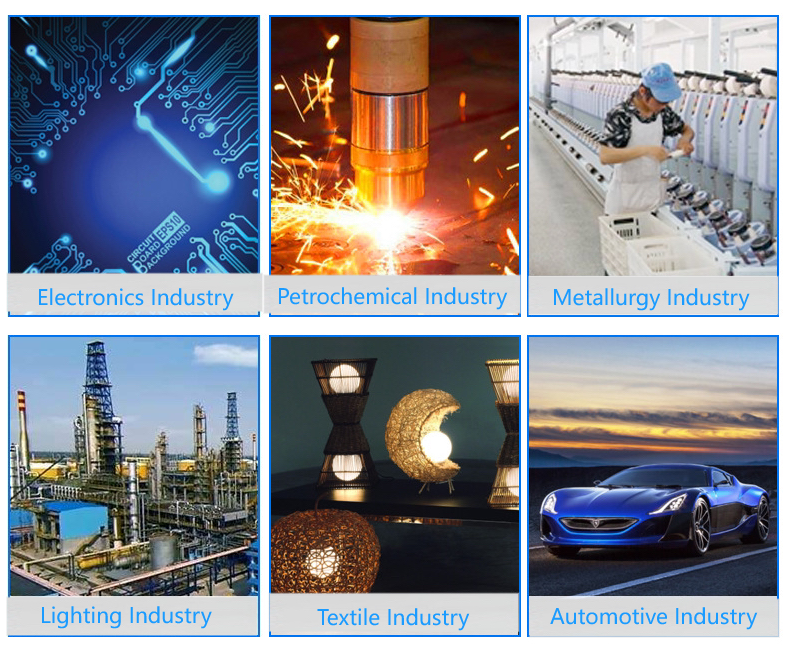
Refractory materials are essential for numerous markets requiring protection from intense warmth and rough problems. Water resistant versions maintain moisture out, stopping damage from water direct exposure. This is important for outside equipment or frameworks facing rainfall or moisture. Warm insulation and thermal insulation really felt work in a similar way. They block warmth transfer, maintaining warm in or out as needed. This conserves power and safeguards close-by locations from too much temperature levels. High-temperature fiber felt takes care of extreme warm extremely well. It withstands temperatures much past what routine products can sustain. This makes it excellent for lining furnaces, kilns, and various other high-heat equipment. Fire retardant homes are necessary for security. These products resist igniting and help reduce flames if a fire starts. They are used in structures, automobiles, and protective equipment to prevent fire spread. Manufacturing facilities count on these materials daily. Industrial furnaces make use of warmth insulation felt to conserve power. High-temperature fiber felt lines reactors in chemical plants. Nuclear power plant require flame retardant barriers near central heating boilers and generators. Building uses these materials thoroughly. Thermal insulation felt goes into walls and roofings, improving building performance and convenience. Fire resistant variations enhance fire safety in public areas. Water-proof alternatives secure foundations and basements from dampness. Aerospace and auto industries additionally depend upon them. Flame resistant products are inside airplane cabins and car interiors. High-temperature fiber felt guards engine parts. Waterproof seals shield delicate electronic devices. Even daily devices benefit. Stoves and heating systems make use of insulation to function safely and effectively. Fire places require flame retardant linings. These functional products address tough troubles across many areas. Their special buildings make contemporary commercial procedures possible and more secure.
Company Profile
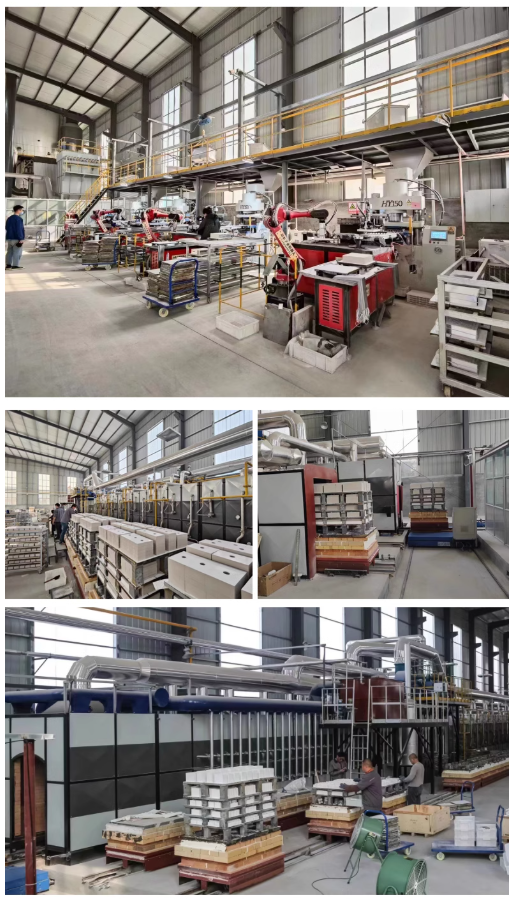
Tanki New Materials Co.Ltd. focus on the research and development, production and sales of ceramic products, serving the electronics, ceramics, chemical and other industries. Since its establishment in 2015, the company has been committed to providing customers with the best products and services, and has become a leader in the industry through continuous technological innovation and strict quality management.
Our products includes but not limited to Aerogel, Aluminum Nitride, Aluminum Oxide, Boron Carbide, Boron Nitride, Ceramic Crucible, Ceramic Fiber, Quartz Product, Refractory Material, Silicon Carbide, Silicon Nitride, ect. please feel free to contact us.
Payment Methods
T/T, Western Union, Paypal, Credit Card etc.
Shipment Methods
By air, by sea, by express, as customers request.
5 FAQs of Refractory Materials Waterproof, Heat Insulation and Thermal Insulation Felt, High-temperature Fiber Felt, Flame Retardant
People use refractory materials waterproof, heat insulation, and thermal insulation felt for many tough jobs. It protects things from extreme heat. It keeps heat inside furnaces and boilers. This material also blocks water. It stops moisture from damaging insulation layers. Factories and power plants use this felt often.
Can this felt get wet? Yes. The waterproof layer keeps water out. Rain and damp conditions won’t ruin it. The insulation stays dry inside. This makes it last longer. It performs well even in wet places.
How hot can it handle? This felt withstands very high temperatures. It works well above 1000 degrees Celsius. It doesn’t melt or catch fire easily. This makes it safe for lining hot equipment. It keeps the heat where you need it.
Is the felt flame retardant? Absolutely. It resists burning. The special fibers won’t fuel a fire. This adds safety in risky areas. It meets strict fire safety rules. People trust it near sparks and flames.
How do you install it? Cutting it to size is simple. You fit it around pipes or equipment surfaces. Secure it using clips, wires, or special adhesives. Installation is usually quick. Proper fitting ensures the best insulation performance.
REQUEST A QUOTE
RELATED PRODUCTS
230mmx114mmx75mm SK34 Refractory Fire Clay Bricks for Furnace
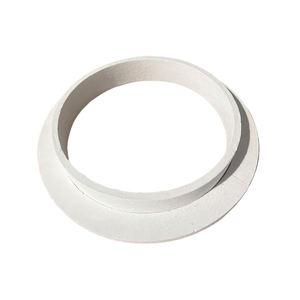
High-Alumina Refractory Bricks Alkali-Chemical Corrosion Resistant Cement Kilns Lime Kilns Block Pattern Welding Moulding
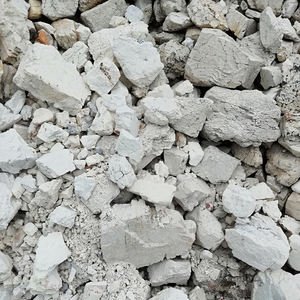
Silicon Carbide Refractory Panel Silicon Carbide Refractory Brick Panel As Kiln Shelves
Refractory Custom Alumina Ceramic Crucible Sagger Tray For High Temperature Furnace
High-Temperature Ceramic Fiber Paper Fireproof Heat Resistant Insulation Material Excellent Tensile Strength For Refractory