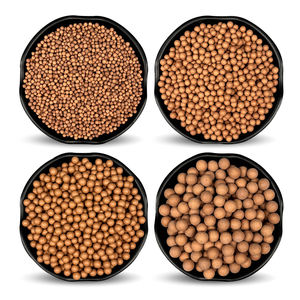
Professional industry ceramic supplier, silicon nitride, silicon carbide, aluminum nitride and any other kinds of ceramics.

PRODUCT PARAMETERS
Description
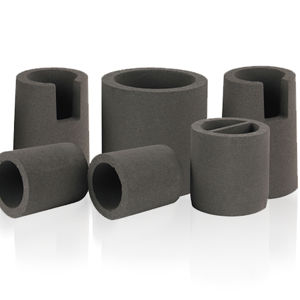
Overview of Refractory Porcelain Insulator Electrical Insulator Ceramic Resistors Industrial Electrical Insulation Alumina Ceramic
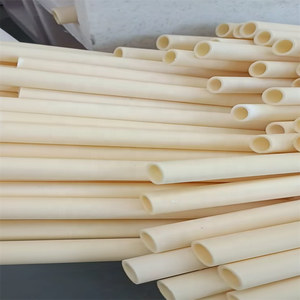
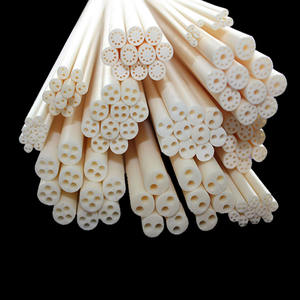
Refractory Porcelain Insulator Electrical Insulator Ceramic Resistors Industrial Electrical Insulation Alumina Ceramic are non-metallic substances designed to withstand extreme temperatures exceeding 1,000°C, along with harsh chemical and physical stresses. They are essential for the inner linings of industrial furnaces, kilns, reactors, and incinerators, providing critical thermal insulation and structural integrity in processes ranging from metal and glass manufacturing to power generation.
Features of Refractory Porcelain Insulator Electrical Insulator Ceramic Resistors Industrial Electrical Insulation Alumina Ceramic
-
High-Temperature Resistance: Maintain structural strength and stability at temperatures often exceeding 1500°C.
-
Excellent Thermal Shock Resistance: Withstand rapid heating and cooling cycles without cracking or spalling.
-
Chemical Inertness: Resist corrosion and degradation from slags, molten metals, and acidic or basic environments.
-
High Mechanical Strength: Possess considerable load-bearing capacity at operating temperatures.
-
Low Thermal Conductivity: Provide effective insulation to improve energy efficiency and protect furnace structures.
-
Abrasion Resistance: Withstand erosion from solid materials and gas flows.
Specification of Refractory Porcelain Insulator Electrical Insulator Ceramic Resistors Industrial Electrical Insulation Alumina Ceramic
Refractory porcelain insulators are key parts for electrical systems. They stop electricity where it should not go. These insulators are made from special ceramics. Alumina ceramic is a common material. Alumina gives great strength and insulation. It works well under tough conditions. These insulators face high voltages and heat. They must not break down. Porcelain offers excellent resistance. It handles heat without cracking. It also endures weather and chemicals. This makes them reliable outside. Industrial uses need durable parts. These insulators provide that durability. They support wires on poles and towers. They separate live parts safely. Ceramic resistors use similar materials. These resistors manage electrical flow. They control current in circuits. Alumina ceramic is good here too. It gives stable resistance values. It handles power without overheating. Electrical insulation is vital for safety. Bad insulation causes shorts or fires. Porcelain insulators prevent these problems. They keep systems running smoothly. Their high mechanical strength is important. They bear the weight of wires. They survive strong winds and ice. Good thermal shock resistance matters. Parts heat up and cool down fast. The material must not crack. Alumina ceramic resists this shock well. It maintains its shape and function. Surface properties are also critical. A smooth surface sheds water and dirt. This keeps insulation high. Pollution can cause flashovers. Good design minimizes this risk. These insulators last many years. They offer good value over time. They reduce maintenance needs. Industries rely on their performance. Power transmission depends on them. Factories use them in heavy equipment. They ensure safe and efficient operation. Choosing the right insulator matters. Material quality makes a big difference. Proper design ensures safety.
Applications of Refractory Porcelain Insulator Electrical Insulator Ceramic Resistors Industrial Electrical Insulation Alumina Ceramic
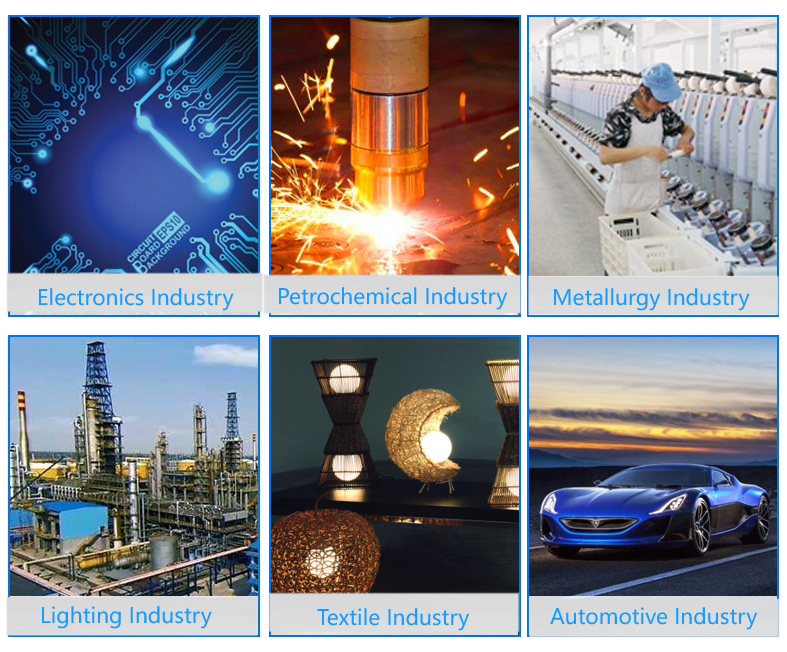
Refractory porcelain insulators are vital components in electrical systems. They handle high voltages safely. These insulators stop electricity from flowing where it shouldn’t. They are made from special ceramic materials. These materials withstand extreme heat and weather. Power lines use them extensively. Substations rely on them too. Transformers need them for insulation. Their strength is important. It keeps structures stable under stress.
Ceramic resistors are another key product. They manage electrical current flow. These resistors are built tough. They cope well with high temperatures. This makes them reliable for industrial use. They are found in heating elements. Control systems use them frequently. They provide steady resistance values. This stability is crucial for precision.
Industrial electrical insulation demands robust solutions. Alumina ceramic offers excellent performance. It possesses high mechanical strength. It resists electrical current very effectively. This material handles intense heat easily. Alumina ceramic is used in many forms. Bushings are common applications. Sleeves protect wires and components. Standoffs keep parts separated electrically. High-voltage equipment often uses alumina parts. Its durability ensures long service life. Equipment stays safe and operational longer. Factories use these ceramics daily. Power generation facilities depend on them. Reliable insulation prevents costly failures.
Company Profile
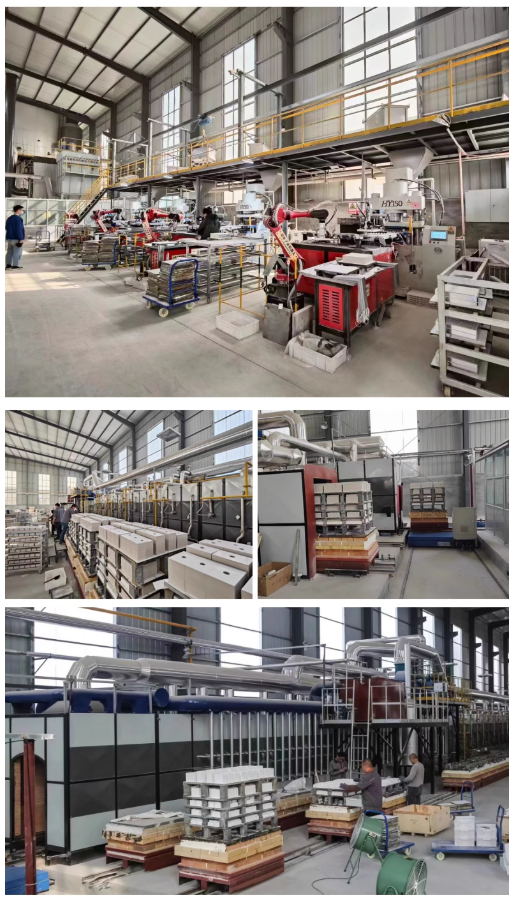
Tanki New Materials Co.Ltd. focus on the research and development, production and sales of ceramic products, serving the electronics, ceramics, chemical and other industries. Since its establishment in 2015, the company has been committed to providing customers with the best products and services, and has become a leader in the industry through continuous technological innovation and strict quality management.
Our products includes but not limited to Aerogel, Aluminum Nitride, Aluminum Oxide, Boron Carbide, Boron Nitride, Ceramic Crucible, Ceramic Fiber, Quartz Product, Refractory Material, Silicon Carbide, Silicon Nitride, ect. please feel free to contact us.
Payment Methods
T/T, Western Union, Paypal, Credit Card etc.
Shipment Methods
By air, by sea, by express, as customers request.
5 FAQs of Refractory Porcelain Insulator Electrical Insulator Ceramic Resistors Industrial Electrical Insulation Alumina Ceramic
People often ask what these ceramic electrical insulators are made of. They are mostly made from alumina ceramic. Alumina is a very hard material. It handles high heat well. It also stands up against electricity trying to jump across it. This makes it perfect for tough electrical jobs.
Another common question is why use ceramic instead of other stuff like plastic. Ceramic wins because it doesn’t melt easily. It stays strong when things get very hot. Plastic can soften or burn. Ceramic keeps its shape and insulating power. This is vital in hot places like factories or power stations.
Folks also want to know where these insulators get used. You find them protecting electrical parts in furnaces. They are used near big motors that get hot. They shield wires in power lines. They guard resistors from arcing. Anywhere electricity and heat mix, these insulators are needed.
People ask if these parts can handle extreme temperatures. Yes, they are built for it. The alumina ceramic material shrugs off intense heat. It keeps working when metal would warp. Plastic would fail. This heat resistance is a key reason they are chosen. They provide reliable insulation even in fiery conditions.
A final question is about how long these insulators last. They are very durable. They resist wear from heat and electricity over time. They don’t break down like other materials can. This toughness means less replacing parts. It means fewer problems from insulation failure. They last a long time in tough spots.
REQUEST A QUOTE
RELATED PRODUCTS
Ceramic Fused Roller For Glass Tempering Furnace Refractory Fused Silica Roller Ceramic Roller
High Quality 1260 Degree Refractory Insulation Ceramic Fiber Board for Various Kiln Industries
High Alumina Brick Grade 2 60-75% Al2O3 Fire Resistant Thermal Shock Bricks Blast Refractory for Cement Kiln Lining Cutting
Silicon Carbide Ceramic Refractory Carbide Refractory Plates
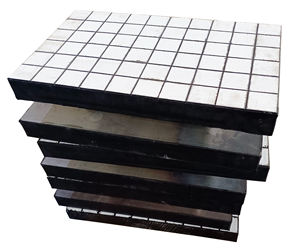
Factory Custom High Alumina Fire Brick SK30 32 34 36 Refractory Brick for Kiln Furnaces