Professional industry ceramic supplier, silicon nitride, silicon carbide, aluminum nitride and any other kinds of ceramics.

PRODUCT PARAMETERS
Description
Overview of Ceramic fiber insulation modules
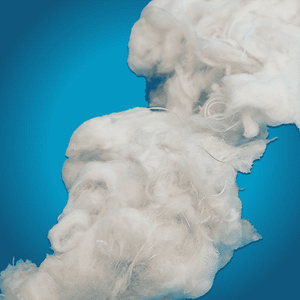
Ceramic fiber insulation modules is a lightweight, high-temperature insulation material composed primarily of alumina-silica. It is manufactured through a melting and spinning or blowing process, resulting in a flexible, wool-like textile. This material is engineered to provide exceptional thermal management, conserving energy and protecting equipment in extreme temperature environments across various industries.
Features of Ceramic fiber insulation modules
-
Excellent Thermal Stability: Withstands continuous operating temperatures up to 1260°C (2300°F) and higher for certain grades, with minimal shrinkage.
-
Low Thermal Conductivity: Provides highly efficient insulation, reducing heat loss and improving energy efficiency.
-
Lightweight & Low Heat Storage: Offers low thermal mass, enabling rapid heat-up and cool-down cycles for improved process control and energy savings.
-
Thermal Shock Resistance: Highly resistant to damage from rapid temperature changes.
-
Excellent Flexibility & Resilience: Can be fabricated into blankets, boards, papers, and textiles to fit complex shapes and applications.
-
Good Chemical Stability: Resists attack from most corrosive agents, except strong alkalis and hydrofluoric acid.
Specification of Ceramic fiber insulation modules
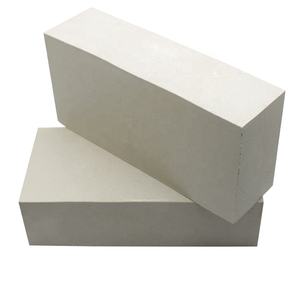
Ceramic fiber insulation modules are pre-formed blocks. They are made from high-purity alumina-silicate materials. These modules are designed for lining high-temperature industrial furnaces and kilns. They offer excellent thermal protection.
The material is very lightweight. This makes installation easier compared to heavy brick linings. It also reduces stress on the furnace structure. The modules have low thermal conductivity. This means they stop heat from escaping efficiently. Your furnace stays hotter inside while using less energy.
These modules can withstand extremely high temperatures. They perform well in environments exceeding 2300°F (1260°C). This makes them suitable for demanding applications. They offer good thermal shock resistance. The material does not crack easily when temperatures change quickly.
The modules come in standard sizes. They fit together tightly on furnace walls and roofs. This creates a seamless insulating layer. Their flexibility helps them conform to complex shapes. Installation is generally faster than traditional methods. Workers can place the modules using pins or clips.
This insulation helps lower fuel costs. It keeps heat inside the process area. Furnaces reach operating temperature faster. Temperature control improves. The modules also contribute to noise reduction. They absorb sound within the furnace.
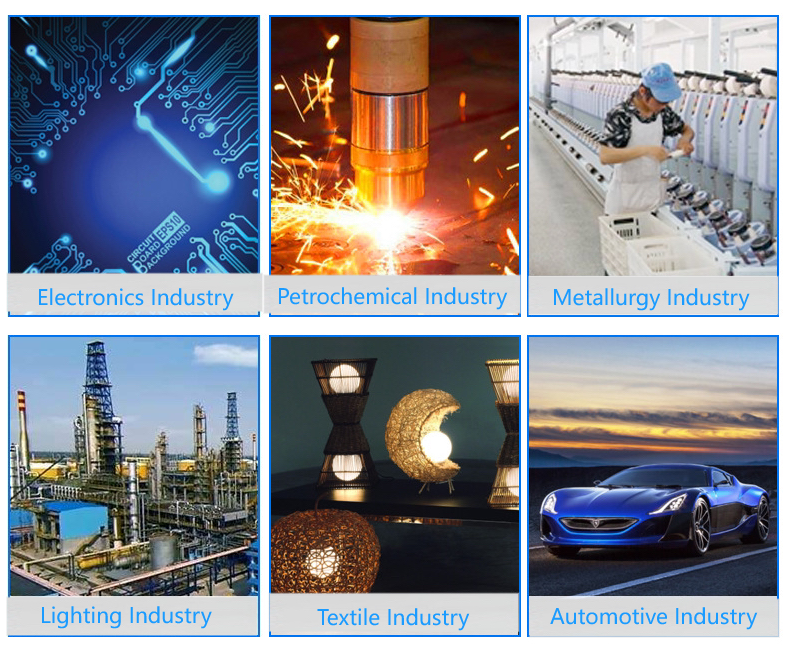
Common uses include heat treatment furnaces and ceramic kilns. They are found in petrochemical heaters and forge furnaces. Glass melting tanks also use this insulation. The modules provide reliable performance in tough conditions. They are a practical choice for efficient thermal management.
Applications of Ceramic fiber insulation modules
Ceramic fiber insulation modules are widely used in high-temperature settings. They are essential for lining industrial furnaces. These modules handle extreme heat effectively. They keep the heat inside the furnace. This improves efficiency significantly. Furnaces reach their operating temperature faster. They maintain that temperature consistently. Less energy is wasted. Fuel costs go down over time. Kilns also benefit greatly from this insulation. Ceramic fiber modules line kilns for firing ceramics or heat-treating metals. They provide stable, uniform heating inside the kiln chamber. This ensures consistent product quality. Heat loss is minimized. Workers experience a safer environment near hot equipment. Boilers use ceramic fiber insulation modules too. Boilers generate steam for power or heat. Insulating the boiler shell is critical. Modules reduce surface heat dramatically. This protects personnel from burns. It also lowers ambient temperatures in boiler rooms. Industrial heaters and ovens rely on this insulation. Modules form the core thermal barrier. They withstand direct exposure to flames or hot gases. The modules are lightweight. Installing them is simpler than using traditional brick linings. Repair work is faster and cheaper. The modules resist thermal shock well. Rapid temperature changes do not damage them easily. They last a long time. Their low heat storage means furnaces cool down quicker. Maintenance checks can happen sooner. Downtime is reduced. Energy savings are substantial. Plants see lower operating costs.
Company Profile
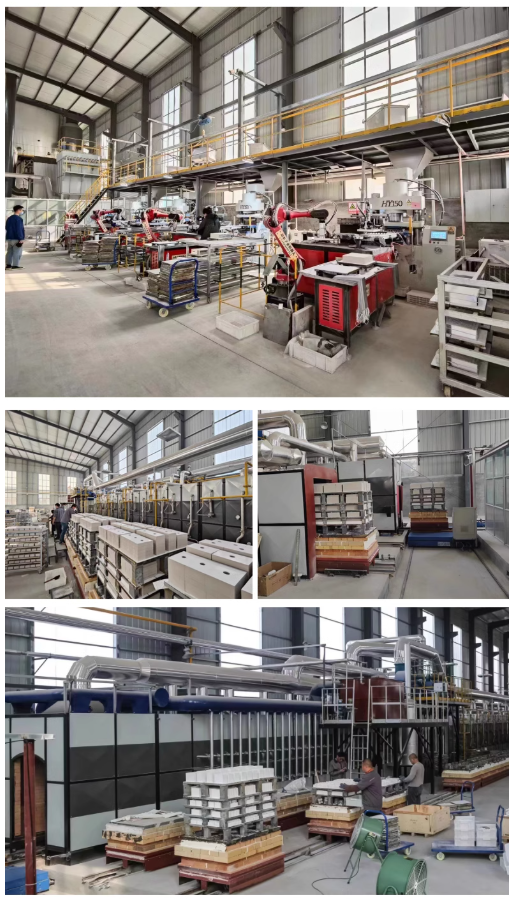
Tanki New Materials Co.Ltd. focus on the research and development, production and sales of ceramic products, serving the electronics, ceramics, chemical and other industries. Since its establishment in 2015, the company has been committed to providing customers with the best products and services, and has become a leader in the industry through continuous technological innovation and strict quality management.
Our products includes but not limited to Aerogel, Aluminum Nitride, Aluminum Oxide, Boron Carbide, Boron Nitride, Ceramic Crucible, Ceramic Fiber, Quartz Product, Refractory Material, Silicon Carbide, Silicon Nitride, ect. please feel free to contact us.
Payment Methods
T/T, Western Union, Paypal, Credit Card etc.
Shipment Methods
By air, by sea, by express, as customers request.
5 FAQs of Ceramic fiber insulation modules
Here are 5 common questions about ceramic fiber insulation modules:
What are ceramic fiber modules?
Ceramic fiber modules are preformed insulation units. They are made from spun ceramic fibers compressed into specific shapes. These shapes fit together easily on furnace walls and roofs. They are used for high-temperature applications.
How do you install ceramic fiber modules?
Installation is usually straightforward. Workers push the modules onto metal anchors welded to the furnace structure. The anchors hold the modules securely in place. Modules interlock like puzzle pieces. This creates a tight, seamless insulation layer. Proper installation is key for good performance.
What temperature can these modules handle?
Ceramic fiber modules handle very high heat. Their maximum temperature depends on the specific fiber type used. Standard modules typically withstand 2300°F. Higher-grade modules can handle temperatures up to 2600°F. Always check the manufacturer’s rating for your specific needs.
Are ceramic fiber modules safe?
New modules are generally safe after installation. The fibers are locked within the compressed module structure. Handling modules during installation requires care. Workers should wear protective gear like gloves and masks. This prevents skin irritation from loose fibers. Once installed, the fibers stay contained.
How long do ceramic fiber modules last?
Module lifespan depends on the operating conditions. Factors like temperature, atmosphere, and physical abuse affect durability. They resist thermal shock well. They don’t expand or contract much with heat changes. This helps prevent cracking. With proper use, they last many years before needing replacement.
REQUEST A QUOTE
RELATED PRODUCTS
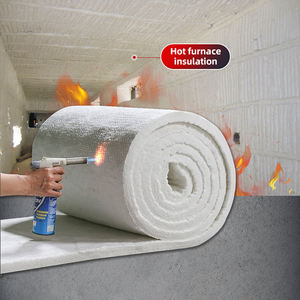
High-quality Ceramic Fiber Cotton for industrial furnaces.
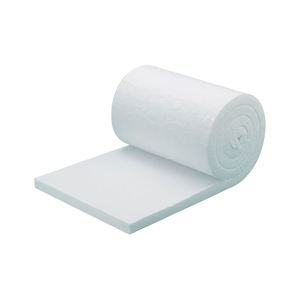
Ceramic Fiber blankets (15mm, 25mm, 50mm)
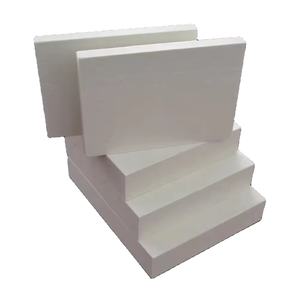
High-Temperature Resistant 1260c Ceramic Fiber Cloth for Metallurgical Filling

6mm Thick Ceramic Fiber Paper
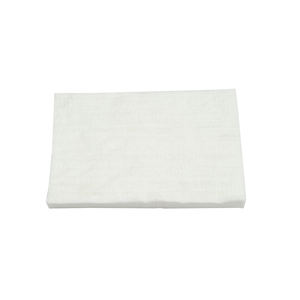
1260C fireproof fireproofing materials, 5mm, 3.5mm, and 2mm ceramic fiber papers