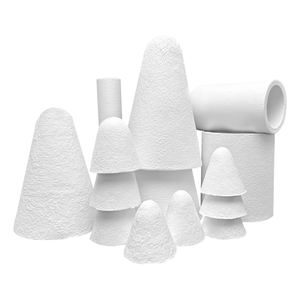
Professional industry ceramic supplier, silicon nitride, silicon carbide, aluminum nitride and any other kinds of ceramics.

PRODUCT PARAMETERS
Description
Overview of Refractory Abrasive Alumina Ceramic Tube for Foundry
Refractory Abrasive Alumina Ceramic Tube for Foundry are non-metallic substances designed to withstand extreme temperatures exceeding 1,000°C, along with harsh chemical and physical stresses. They are essential for the inner linings of industrial furnaces, kilns, reactors, and incinerators, providing critical thermal insulation and structural integrity in processes ranging from metal and glass manufacturing to power generation.
Features of Refractory Abrasive Alumina Ceramic Tube for Foundry
-
High-Temperature Resistance: Maintain structural strength and stability at temperatures often exceeding 1500°C.
-
Excellent Thermal Shock Resistance: Withstand rapid heating and cooling cycles without cracking or spalling.
-
Chemical Inertness: Resist corrosion and degradation from slags, molten metals, and acidic or basic environments.
-
High Mechanical Strength: Possess considerable load-bearing capacity at operating temperatures.
-
Low Thermal Conductivity: Provide effective insulation to improve energy efficiency and protect furnace structures.
-
Abrasion Resistance: Withstand erosion from solid materials and gas flows.
Specification of Refractory Abrasive Alumina Ceramic Tube for Foundry
Refractory abrasive alumina ceramic tubes serve tough foundry conditions. They handle molten metal contact directly. Alumina ceramic offers outstanding high temperature resistance. These tubes withstand temperatures over 1600°C. This makes them suitable for extreme foundry heat. They also possess extreme hardness. Alumina ranks just below diamonds. This hardness provides excellent resistance to abrasion. Foundry sands and slags constantly wear down materials. These tubes resist that wear very well. Thermal shock resistance is another vital feature. Foundries involve sudden temperature changes. Tubes heat up and cool down rapidly. Alumina ceramic handles these quick shifts without cracking. This durability prevents unexpected failures. Consistent performance under thermal cycling is critical. Chemical inertness is equally important. Alumina ceramic resists attack from molten metals and slags. Common metals include iron, steel, aluminum, and copper. The material won’t react or contaminate the melt. This ensures metal purity. Long service life results from these combined properties. Foundries need reliable, long-lasting components. Reduced downtime and replacement costs are key benefits. Various dimensions are available. Standard sizes exist. Custom sizes can be produced. Typical applications include thermocouple protection tubes. They shield sensors in molten metal. They act as pouring tube liners. They guide molten metal flow. They serve as tuyere liners for air injection. They are used in slag handling systems. Wear resistance is crucial here. These tubes provide dependable performance in harsh environments. Foundry operations demand tough materials.
Applications of Refractory Abrasive Alumina Ceramic Tube for Foundry
Refractory abrasive alumina ceramic tubes are special industrial parts. They are made mostly from aluminum oxide. This material is very hard. It handles high heat well. Foundries use them for tough jobs. Foundries melt metal like iron or steel. The environment is harsh. There is extreme heat. There is also molten metal splash. Abrasive materials cause wear. These ceramic tubes withstand these conditions.
The tubes are very resistant to heat. They don’t melt easily. Foundries have furnaces pouring hot metal. The tubes protect other equipment. They line areas near the melt. They guide metal flow. They shield sensitive parts. The high hardness fights abrasion. Sand or slag scrapes against surfaces. The ceramic wears down slowly. This means less frequent replacements. It saves time and money.
Chemical stability is another key point. Molten metal is reactive. Furnace gases can be corrosive. The alumina ceramic doesn’t react easily. It stays intact chemically. It won’t contaminate the metal. This keeps the metal pure. The tubes maintain their shape under heat. They don’t warp or crack quickly. This gives reliable performance.
Common applications include thermocouple protection sleeves. Thermocouples measure temperature. They need protection from the melt. The tubes shield them. They are also used as pouring spouts. Molten metal flows through them. They resist erosion from the stream. Foundries use them as burner nozzles. They handle the flame heat. They work as slag stoppers too. Slag is waste material. The tubes block it. They protect ladles and troughs lining. They act as wear plates. They see use in pneumatic conveying lines. Abrasive materials move through pipes. The ceramic lining reduces wear. They are versatile parts for foundries. They solve problems with heat and wear.
Company Profile
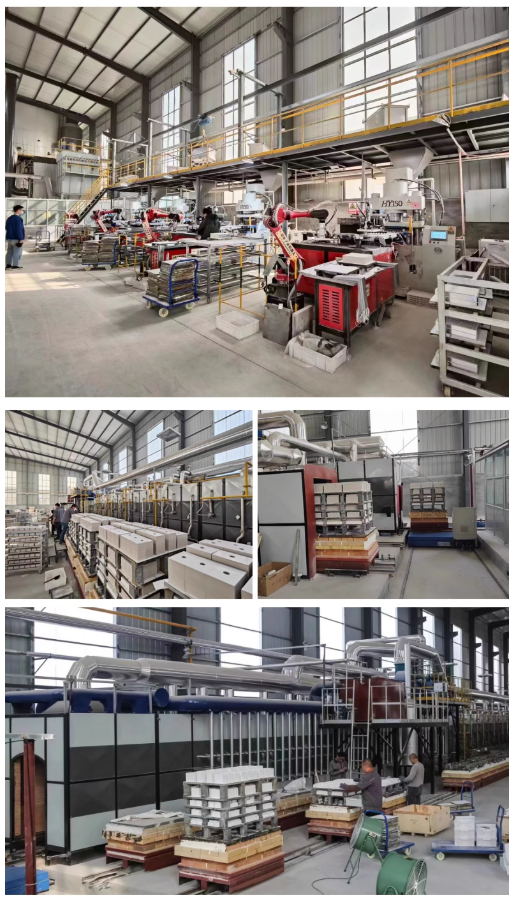
Tanki New Materials Co.Ltd. focus on the research and development, production and sales of ceramic products, serving the electronics, ceramics, chemical and other industries. Since its establishment in 2015, the company has been committed to providing customers with the best products and services, and has become a leader in the industry through continuous technological innovation and strict quality management.
Our products includes but not limited to Aerogel, Aluminum Nitride, Aluminum Oxide, Boron Carbide, Boron Nitride, Ceramic Crucible, Ceramic Fiber, Quartz Product, Refractory Material, Silicon Carbide, Silicon Nitride, ect. please feel free to contact us.
Payment Methods
T/T, Western Union, Paypal, Credit Card etc.
Shipment Methods
By air, by sea, by express, as customers request.
5 FAQs of Refractory Abrasive Alumina Ceramic Tube for Foundry
What is the alumina ceramic tube made from?
It’s mostly alumina. Alumina is aluminum oxide. This material is very strong. It handles tough conditions well. Foundries need tough materials.
How hot can these tubes get?
They resist high heat. They work fine past 1500°C. Many molten metals are hotter than that. This tube stays stable. It doesn’t crack easily.
Does it resist wear?
Yes, it handles abrasion well. Sand and metal particles constantly hit it. Alumina is very hard. It lasts longer than softer materials. This means less downtime for replacements.
Where do foundries use these tubes?
Foundries use them for moving metal. They guide molten metal safely. They protect equipment from splash. They also act as liners inside other metal parts. They see heavy action near furnaces.
Can I handle them like regular pipes?
Be careful. Alumina ceramic is strong but brittle. Avoid dropping it. Don’t hit it with metal tools. Sudden temperature changes can stress it. Heat it up slowly. Cool it down slowly too.
REQUEST A QUOTE
RELATED PRODUCTS
Supply Refractory Brick High Hardness Alumina Heat Resistance Fire Resistant Lining Brick
Foundry Refractory Material Precast Prefabricated High Alumina Al-Si Fiber Casting Launder Liners
Refractory Insulating Castable, Refractory Lining Castables For Induction Furnace
1300C- 2000C High Temperature Mullite Cordierite Plain Batt Refractory Kiln Furnace Ceramic Plate for Ceramic Kiln
Refractory Mullite Ceramic Pipe Ceramic Tube