Professional industry ceramic supplier, silicon nitride, silicon carbide, aluminum nitride and any other kinds of ceramics.

PRODUCT PARAMETERS
Description
Overview of Hydrophilic and Hydrophobic Type Nano Silica Aerogel Powder for building thermal insulation
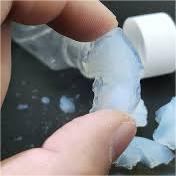
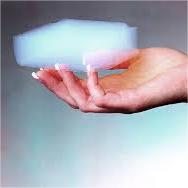
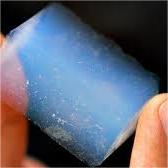
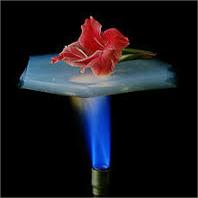
Hydrophilic and Hydrophobic Type Nano Silica Aerogel Powder for building thermal insulation is a synthetic porous ultralight material derived from a gel, in which the liquid component has been replaced with a gas. The result is a solid with extremely low density and low thermal conductivity, often nicknamed “frozen smoke.” Despite its fragile appearance, it can be engineered to be remarkably strong, holding the title of the world’s best insulating solid material.
Features of Hydrophilic and Hydrophobic Type Nano Silica Aerogel Powder for building thermal insulation
-
World’s Lowest Thermal Conductivity: Provides unparalleled insulation performance, far superior to traditional materials.
-
Extremely Low Density: One of the lightest solid materials known to man, with a composition of up to 99.8% air.
-
High Surface Area: Possesses an incredibly large internal surface area, making it valuable for filtration and absorption applications.
-
Versatile Composition: Can be made from various materials, including silica, carbon, and metal oxides, each with unique properties.
-
Exceptional Porosity: Its nanoporous structure is responsible for its outstanding insulating capabilities.
Specifications of Hydrophilic and Hydrophobic Type Nano Silica Aerogel Powder for building thermal insulation
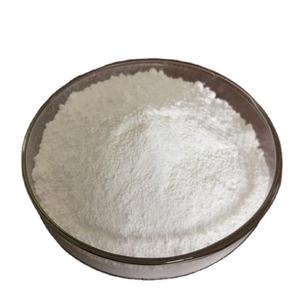
Nano silica aerogel powder offers outstanding thermal insulation for buildings. This material is incredibly lightweight. It possesses a porous structure trapping air effectively. This structure blocks heat transfer remarkably well. Builders and contractors value its performance. They use it in walls, roofs, pipes, and various applications. Two primary types exist: hydrophilic and hydrophobic.
Hydrophilic nano silica aerogel powder attracts water molecules. It absorbs moisture readily. This characteristic makes it suitable for certain formulations. Manufacturers often blend it into specific plasters or coatings. It integrates well with water-based systems. Its thermal conductivity is impressively low. Expect values around 0.020 W/(m·K) or less. This ensures superb insulation. The powder density is very light. It usually falls between 60 kg/m³ and 100 kg/m³. The material handles high temperatures well. It remains stable up to about 650°C. It performs consistently across a broad temperature spectrum. Particle size distribution is fine. It typically ranges from microns to sub-micron levels. This allows for smooth application. Surface area is large due to the nano pores. It often measures 600 m²/g to 800 m²/g.
Hydrophobic nano silica aerogel powder repels water strongly. It resists moisture absorption excellently. This property is vital for long-term insulation effectiveness in damp conditions. Water doesn’t degrade its insulating power. Its thermal conductivity matches the hydrophilic type. Values are similarly low, around 0.020 W/(m·K). Density is also comparable. It stays within the 60 kg/m³ to 100 kg/m³ range. Temperature stability is excellent. It withstands heat up to approximately 650°C. Particle size is similarly fine. Surface area remains large. The key difference is water behavior. Hydrophobic powder maintains performance in humid environments. It prevents condensation issues inside insulation layers. Builders choose it for exterior applications or wet areas. Both powders undergo strict quality testing. Parameters include purity, pore size, and pH tolerance. They meet industry standards for safety and performance.
Applications of Hydrophilic and Hydrophobic Type Nano Silica Aerogel Powder for building thermal insulation
Hydrophilic and hydrophobic nano silica aerogel powder offer unique benefits for building thermal insulation. This lightweight material is mostly air trapped in a silica network. Its structure prevents heat transfer very effectively. You need less insulation thickness compared to many traditional materials. This saves valuable space.
Hydrophilic powder absorbs water easily. It mixes well with water-based binders. This makes it suitable for specific applications. You can blend it into coatings or renders. These mixtures improve the thermal performance of walls or ceilings. The hydrophilic nature helps it integrate smoothly.
Hydrophobic powder repels water strongly. Moisture doesn’t damage its insulation properties. This powder is ideal for places where dampness is a problem. Use it inside cavity walls. Use it to fill gaps around windows and doors. Its water resistance protects the building structure. It prevents moisture-related issues.
Both types work well mixed into composite materials. Combine them with fibers or boards. This creates high-performance insulation panels. These panels are thin but offer excellent heat resistance. They are easy to install during construction or renovation projects. Builders appreciate the space savings.
The powder is safe for building use. It is non-toxic and non-combustible. This adds a safety benefit. Thermal insulation directly reduces energy needed for heating and cooling. Lower energy use means lower bills. It also helps reduce the building’s carbon footprint.

Company Profile
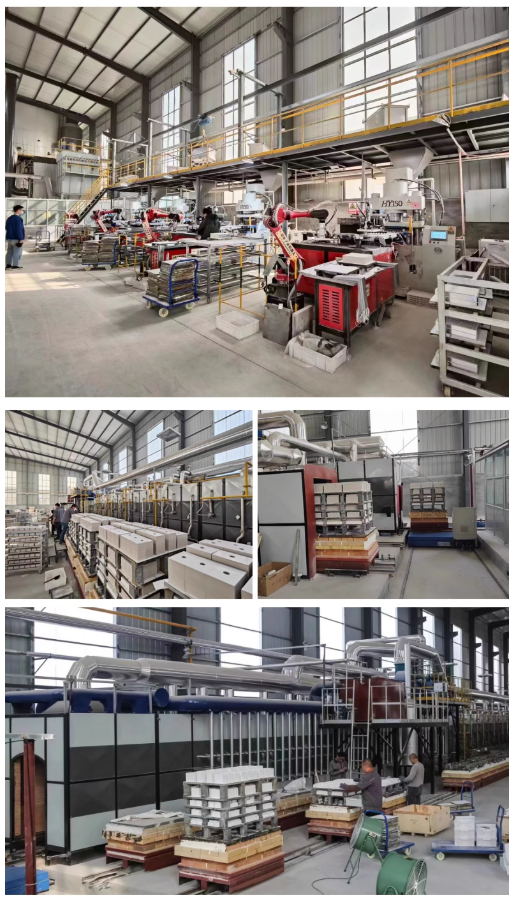
Tanki New Materials Co.Ltd. focus on the research and development, production and sales of ceramic products, serving the electronics, ceramics, chemical and other industries. Since its establishment in 2015, the company has been committed to providing customers with the best products and services, and has become a leader in the industry through continuous technological innovation and strict quality management.
Our products includes but not limited to Aerogel, Aluminum Nitride, Aluminum Oxide, Boron Carbide, Boron Nitride, Ceramic Crucible, Ceramic Fiber, Quartz Product, Refractory Material, Silicon Carbide, Silicon Nitride, ect. please feel free to contact us.
Payment Methods
T/T, Western Union, Paypal, Credit Card etc.
Shipment Methods
By air, by sea, by express, as customers request.
5 FAQs of Hydrophilic and Hydrophobic Type Nano Silica Aerogel Powder for building thermal insulation
What is nano silica aerogel powder? It is a special material. It looks like powder. It feels light. It has many tiny holes inside. These holes trap air. Trapped air stops heat moving well. This makes it great for keeping heat in or out.
How does it work for insulation? The powder stops heat flow. Heat tries to pass through walls or roofs. The aerogel powder blocks it. It slows heat down a lot. It works better than many old materials. You need less of it for the same job. It saves space.
What is hydrophilic type? Hydrophilic means it likes water. This type attracts moisture. It can hold some water. It is usually cheaper. It works well inside walls. It is good where moisture is controlled. It is not for very wet places.
What is hydrophobic type? Hydrophobic means it hates water. This type pushes water away. It does not absorb moisture. It stays dry. It is better for damp places. It is good for roofs, basements, or outside walls. It costs more. It lasts longer in wet conditions.
How do you apply it? You mix the powder into other materials. You add it to plasters, mortars, or paints. You spread it on surfaces. It becomes part of the wall or roof. You cannot see it. It works inside the material. It makes the whole layer insulate better.
Is it safe? Yes, generally it is safe. It is mostly silica. Silica is sand. The powder is non-toxic. It does not burn easily. It is safe for homes and buildings. Use normal safety gear when handling powders. Avoid breathing in dust.
REQUEST A QUOTE
RELATED PRODUCTS
Good Quality White Fireproof Soundproof Silica Aerogel Blanket For Heat Resistance Used In Construction Area
Far Infrared Thermal Storage Aerogel&Graphene Stripe Conductive Nylon ESD Workwear Lining Anti-static Taffeta Graphene Fabric
3mm/6mm/10mm Airgel aerogel insulation for building and wall insulation
Factory aerogel insulation sheets, airgel mat, nano aerogels roll
PLC control All stainless steel design Aerogel Production Equipment