Professional industry ceramic supplier, silicon nitride, silicon carbide, aluminum nitride and any other kinds of ceramics.

1. Introduction
Just 24 hours ago, a major semiconductor equipment manufacturer announced a breakthrough in GaN-on-SiC wafer production, citing improved yield thanks to upgraded furnace components—including custom silicon carbide crucibles engineered for minimal contamination. This development underscores a quiet but vital trend: as chips get smaller and more powerful, the materials used to make them must become purer and more thermally stable.
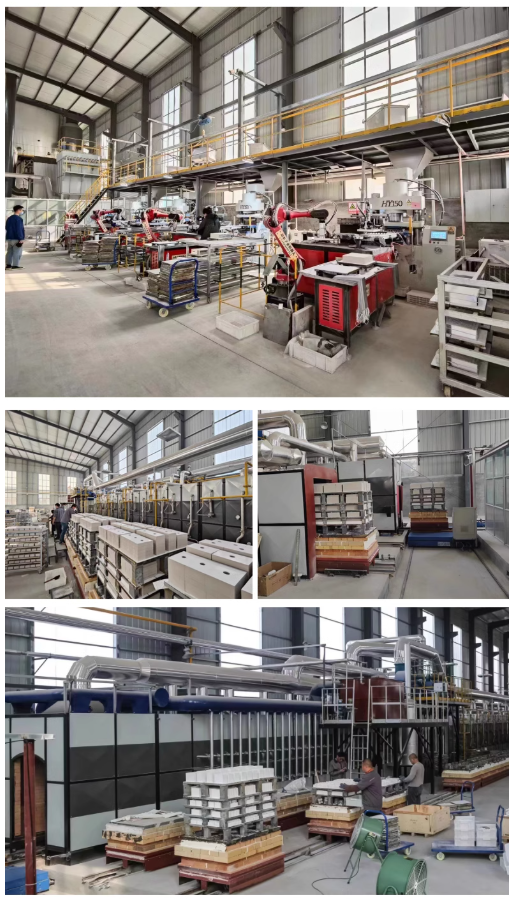
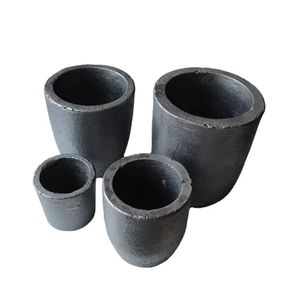
Enter the silicon carbide crucible—a workhorse in advanced crystal growth that’s far from ordinary cookware. While you might see ‘silicon carbide ceramic baking dish’ or ‘silicon carbide dinner plates’ marketed online, those are typically mislabeled or decorative. Real silicon carbide crucibles serve a radically different purpose: enabling the synthesis of next-generation semiconductors under extreme conditions.
2. Why Silicon Carbide Crucibles? The Science Behind the Choice
Silicon carbide (SiC) isn’t just hard—it’s one of the hardest known materials, second only to diamond and boron carbide. But hardness alone doesn’t make it ideal for crucibles. What matters more is its exceptional thermal conductivity, chemical inertness, and stability at temperatures exceeding 1600°C.
In contrast, traditional alumina (Al2O3) or zirconia crucibles can react with molten semiconductor precursors or shed impurities that ruin crystal quality. Even ‘zirconia crucibles,’ while refractory, may introduce oxygen or zirconium into sensitive melts.
- Silicon carbide crucibles maintain structural integrity in reducing atmospheres where alumina would degrade.
- They resist wetting by molten silicon and GaN, preventing crucible erosion and contamination.
- Their high thermal shock resistance allows rapid heating and cooling cycles without cracking.
3. Niche Application Spotlight: Physical Vapor Transport (PVT) for SiC Crystal Growth
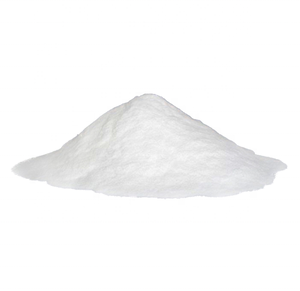
One of the most demanding uses of silicon carbide crucibles is in the Physical Vapor Transport (PVT) method for growing bulk silicon carbide single crystals. These crystals form the foundation of high-power, high-frequency devices used in electric vehicles, 5G infrastructure, and aerospace systems.
During PVT, polycrystalline SiC powder is heated to ~2200°C in an inert atmosphere inside a sealed graphite chamber. A silicon carbide crucible holds the source material and must withstand not only extreme heat but also corrosive silicon vapor and carbon-rich gases.
Here, even minor impurities from the crucible—like iron, aluminum, or nitrogen—can create defects in the grown crystal, rendering entire batches unusable. That’s why manufacturers use high-purity, reaction-bonded silicon carbide (RBSiC) crucibles, often custom-shaped with integrated features like baffles or lids.
Interestingly, some setups pair the silicon carbide crucible with a ‘silicon nitride crucible factory’-sourced insulator ring or ‘custom silicon nitride heat shield’ to fine-tune thermal gradients. Silicon nitride (Si3N4), another advanced ceramic, complements SiC by offering superior creep resistance and electrical insulation at high temperatures.
4. Beyond the Crucible: Related Advanced Ceramic Components
The same furnace that relies on a silicon carbide crucible often integrates other SiC-based parts:
- ‘Silicon carbide burner nozzles’ for precise gas injection
- ‘Silicon carbide thermocouple protection tubes’ to monitor temperature without interference
- ‘Silicon carbide ceramic tubes for high temperature’ acting as liners or supports
- ‘RBSiC silicon carbide tile blocks’ shielding furnace walls from radiant heat
Meanwhile, engineers sometimes compare ‘boron carbide vs silicon carbide’ for specific roles. While boron carbide is harder and better for armor, it oxidizes more readily above 800°C—making SiC the clear winner for sustained high-temp processes.
It’s worth noting that consumer products like ‘silicon carbide ceramic salad bowl’ or ‘silicon carbide baking dish Staub’ are almost certainly not made from true structural silicon carbide. Real SiC ceramics are sintered at >2000°C and are black, dense, and non-porous—not glossy dinnerware. Marketing misuse of the term is common but misleading.
5. Manufacturing Challenges and Innovations
Producing a high-performance silicon carbide crucible isn’t simple. It requires ultra-fine, high-purity SiC powder, controlled sintering (often with additives like boron or carbon), and meticulous machining to achieve tight tolerances.
Recent advances include additive manufacturing of SiC preforms and hybrid designs combining RBSiC with silicon-infiltrated zones for enhanced strength. Some suppliers now offer ‘custom silicon nitride rings’ or ‘silicon nitride plates’ alongside crucibles as part of integrated thermal management kits.
The global push for domestic semiconductor supply chains has intensified demand for reliable, domestically produced crucibles—sparking investment in ‘advanced ceramics manufacturing’ facilities across North America and Europe.
6. Conclusion
While it won’t hold your casserole or Christmas cookies, the silicon carbide crucible is indispensable in building the tech of tomorrow. From enabling efficient EV inverters to powering satellite communications, this niche ceramic component operates silently in the background—enduring hellish conditions so our devices can run cooler, faster, and longer. As semiconductor complexity grows, so too will reliance on the unmatched performance of the silicon carbide crucible.
Our Website founded on October 17, 2012, is a high-tech enterprise committed to the research and development, production, processing, sales and technical services of ceramic relative materials such as Silicon. Our products includes but not limited to Boron Carbide Ceramic Products, Boron Nitride Ceramic Products, Silicon Carbide Ceramic Products, Silicon Nitride Ceramic Products, Zirconium Dioxide Ceramic Products, etc. If you are interested, please feel free to contact us.
RELATED POSTS

How to Properly Use and Maintain a Silicon Carbide Crucible: A Step-by-Step Guide
Unlock the Power of Silicon Carbide Crucibles in Aerospace Alloy Refining
How to Properly Use and Maintain a Silicon Carbide Crucible: A Step-by-Step Guide
Choose the Right Silicon Carbide Crucible: A Comparative Analysis of Advanced Ceramic Materials for High-Temperature Applications
7 Essential Facts About Silicon Carbide Crucibles and Their Industrial & Kitchen Uses