Professional industry ceramic supplier, silicon nitride, silicon carbide, aluminum nitride and any other kinds of ceramics.

PRODUCT PARAMETERS
Description
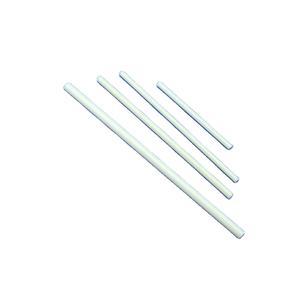
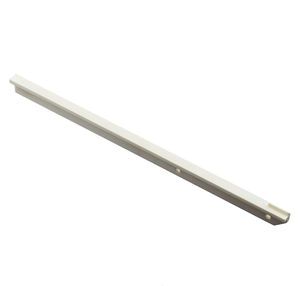
Overview of Alumina Ceramic Shaft Aluminum Oxide Ceramic Bushing for Oxygen Sensors
Alumina Ceramic Shaft Aluminum Oxide Ceramic Bushing for Oxygen Sensors are one of the most widely used and versatile technical ceramics, prized for their excellent combination of properties. Composed primarily of aluminum oxide (Al₂O₃), they offer outstanding hardness, wear resistance, and electrical insulation, even at high temperatures. From low-purity grades for general industrial use to high-purity compositions for demanding applications, alumina ceramics provide a cost-effective and reliable solution across a vast range of industries.
Features of Alumina Ceramic Shaft Aluminum Oxide Ceramic Bushing for Oxygen Sensors
-
High Hardness & Wear Resistance: Excellent resistance to abrasive wear, making it ideal for liners, nozzles, and guides.
-
Superior Electrical Insulation: Maintains high electrical resistivity and dielectric strength, even at elevated temperatures.
-
Excellent Thermal Stability: Withstands high operating temperatures and exhibits good thermal conductivity.
-
High Mechanical Strength: Possesses good compressive strength and stiffness.
-
Chemical Inertness: Resists corrosion from a wide range of acids, alkalis, and other harsh chemicals.
-
Cost-Effectiveness: A highly versatile and economically efficient ceramic material for numerous applications.
Specification of Alumina Ceramic Shaft Aluminum Oxide Ceramic Bushing for Oxygen Sensors
Alumina ceramic shafts and bushings are key parts for oxygen sensors. These parts are made from aluminum oxide ceramic. Aluminum oxide ceramic is very hard. It resists wear extremely well. These components handle high temperatures easily. They perform reliably in tough environments. Alumina ceramic does not react easily with other chemicals. This is important for oxygen sensors. Oxygen sensors often face corrosive gases. The ceramic stays stable. It does not corrode or degrade quickly.
These shafts and bushings have precise dimensions. They are manufactured to tight tolerances. This ensures a perfect fit every time. Consistent sizing is critical for sensor function. Even small variations can cause problems. The smooth surface finish of the ceramic reduces friction. Low friction allows parts to move freely. Smooth operation is essential for accurate sensor readings. Alumina ceramic is an excellent electrical insulator. It prevents unwanted electrical currents. Electrical isolation protects sensitive sensor electronics.
The material offers good thermal stability. It expands very little when heated. Minimal thermal expansion keeps parts dimensionally stable at temperature. This stability maintains clearances and alignment. Alumina ceramic withstands thermal shock. Sudden temperature changes do not crack it easily. This durability is vital in automotive exhaust systems. Oxygen sensors experience rapid heating and cooling cycles. Using ceramic shafts and bushings offers longevity. They outlast metal parts in these conditions. Metal parts can corrode and wear out faster. Ceramic provides a longer service life. This reduces maintenance needs and downtime.
Oxygen sensors measure oxygen levels in exhaust gases. Accurate measurement requires dependable components. Alumina ceramic shafts and bushings provide this dependability. Their insulating properties prevent signal interference. Their resistance ensures consistent performance over time. They help maintain the sensor’s accuracy. These components are a smart choice for demanding applications.
Applications of Alumina Ceramic Shaft Aluminum Oxide Ceramic Bushing for Oxygen Sensors
Alumina ceramic shaft bushings are vital parts in oxygen sensors. They are made from aluminum oxide ceramic. This material is very hard. It is also extremely resistant to wear. It handles high temperatures well. These properties are crucial for oxygen sensors.
Oxygen sensors operate in tough environments. They face high heat inside engines. Exhaust gases are harsh. The bushing supports the sensor shaft. It must last a long time. Alumina ceramic does not wear down quickly. This means the sensor keeps working accurately.
The ceramic does not react with chemicals. Exhaust gases contain many chemicals. The ceramic stays stable. It does not corrode. This prevents sensor failure. The sensor gives reliable oxygen readings.
Heat is a big factor. Engine exhaust is very hot. The ceramic bushing withstands this heat. It does not melt or deform. The shaft stays securely in place. This ensures consistent sensor performance.
Friction is low with alumina ceramic. The shaft moves smoothly inside the bushing. There is minimal resistance. This helps the sensor respond quickly. Accurate oxygen level readings happen faster.
Alumina ceramic is an electrical insulator. It prevents unwanted electrical paths. The sensor signal stays clean. This is important for engine control systems. They rely on precise sensor data.
Using alumina ceramic bushings improves oxygen sensor life. They handle the heat and chemicals. They reduce wear and friction. This leads to dependable sensor operation. Sensors work better for longer periods.

Company Profile
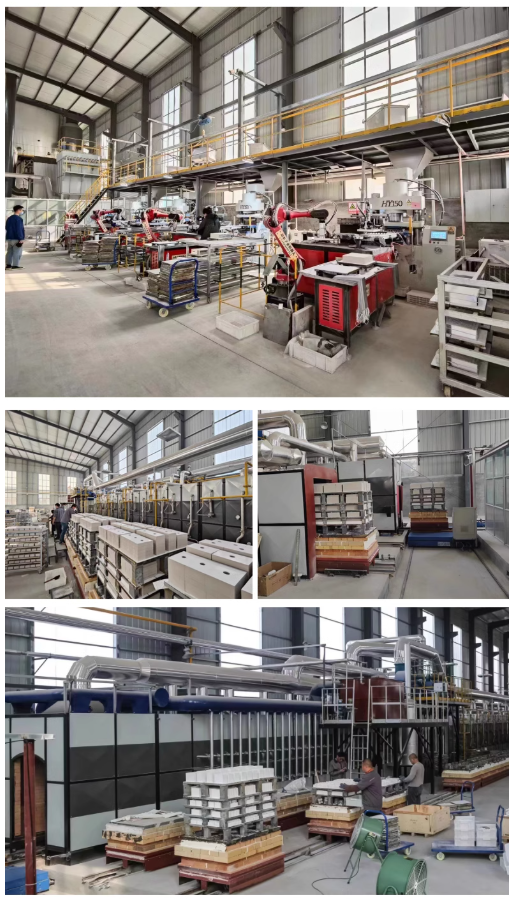
Tanki New Materials Co.Ltd. focus on the research and development, production and sales of ceramic products, serving the electronics, ceramics, chemical and other industries. Since its establishment in 2015, the company has been committed to providing customers with the best products and services, and has become a leader in the industry through continuous technological innovation and strict quality management.
Our products includes but not limited to Aerogel, Aluminum Nitride, Aluminum Oxide, Boron Carbide, Boron Nitride, Ceramic Crucible, Ceramic Fiber, Quartz Product, Refractory Material, Silicon Carbide, Silicon Nitride, ect. please feel free to contact us.
Payment Methods
T/T, Western Union, Paypal, Credit Card etc.
Shipment Methods
By air, by sea, by express, as customers request.
5 FAQs of Alumina Ceramic Shaft Aluminum Oxide Ceramic Bushing for Oxygen Sensors
What are alumina ceramic shafts and bushings made of? These parts are made from aluminum oxide ceramic, often called alumina. This material is very hard and durable. It resists heat well and does not wear down easily. Alumina is a common ceramic used for tough jobs.
Why use alumina ceramic in oxygen sensors? Oxygen sensors need parts that can handle harsh conditions. Alumina ceramic works well in high heat. It also resists chemicals found in exhaust gases. This material is stable and reliable for accurate sensor readings. It helps the sensor last longer.
How hot can alumina ceramic bushings get? Alumina ceramic handles extreme heat. It works fine up to about 1600°C. This high temperature tolerance is vital for oxygen sensors placed in hot exhaust systems. The material stays strong and does not break down.
Do alumina ceramic shafts wear out quickly? No, they resist wear very well. Alumina is harder than many metals. This means the shafts and bushings do not get damaged easily by friction or rubbing. They keep their shape and size over time. This is important for consistent sensor performance.
Can we get custom alumina ceramic parts? Yes, manufacturers often make custom parts. You can get shafts and bushings in different sizes and shapes. Special designs fit specific sensor models or unique applications. This flexibility helps engineers solve different problems.
REQUEST A QUOTE
RELATED PRODUCTS
Laser Scribed 0.25mm 0.30mm Thick Aluminum Oxide Substrate Alumina Ceramic Al2O3 Plate
92% Alumina Ceramic Mosaic Aluminum Oxide Hexagonal Lining Tile
Whole Alumina Ceramic Shaft Plunger Aluminum Oxide Ceramic Bushing for Oxygen Sensors
Round 96 99.6 Aluminum Oxide Substrate Alumina Al2O3 Ceramic Wafer
Manufactory Dry Casting Polished Surface Aluminum Oxide Alumina Ceramic Disc