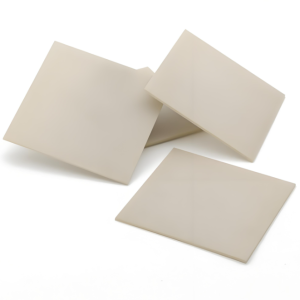
Professional industry ceramic supplier, silicon nitride, silicon carbide, aluminum nitride and any other kinds of ceramics.

1. Introduction
Just 24 hours ago, a major foundry in Ohio reported unexpected silicon carbide crucible failures during aluminum melting—triggering a ripple effect across regional supply chains. The incident highlights how even minor handling errors can lead to costly downtime. If you’re working with a silicon carbide crucible, knowing how to avoid and fix common issues is critical.

Silicon carbide crucibles are prized for their thermal shock resistance, high strength, and ability to withstand temperatures over 1600°C. But despite their durability, they’re not indestructible. Whether you’re in metallurgy, lab research, or ceramics manufacturing, this guide walks you through the top five problems—and exactly how to solve them.
2. Problem #1: Thermal Shock Cracking
Thermal shock is the #1 cause of silicon carbide crucible failure. It happens when the crucible heats or cools too quickly, creating internal stress that leads to cracks.
How to prevent it:
- Always preheat your crucible slowly—start at 200–300°C for 30 minutes before ramping up.
- Avoid placing a hot crucible on cold surfaces or exposing it to drafts.
- Use consistent heating profiles; sudden temperature spikes are a no-go.
If you spot hairline cracks, stop using the crucible immediately. Continuing could cause catastrophic failure during melt operations.
3. Problem #2: Metal or Slag Penetration
Molten metal or slag can seep into the porous structure of a silicon carbide crucible, especially if it’s low-quality or improperly glazed.
This leads to contamination and structural weakening. You might notice discoloration, rough inner surfaces, or residue that won’t scrape off.
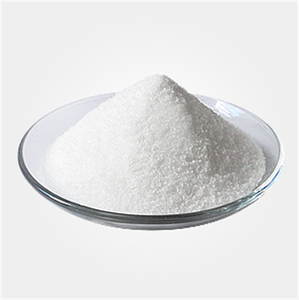
Solutions:
- Choose high-density RBSiC (Reaction-Bonded Silicon Carbide) crucibles—they have lower porosity.
- Apply a protective wash (like boron nitride coating) before first use.
- Never exceed the recommended operating temperature for your specific alloy.
Note: While zirconia crucibles resist certain slags better, silicon carbide remains superior for non-ferrous metals like aluminum and copper.
4. Problem #3: Chemical Contamination
Even trace impurities from previous melts can ruin sensitive batches—especially in labs or semiconductor work.
Silicon carbide itself is chemically inert, but surface residues or degraded linings can introduce contaminants.
To keep your crucible clean:
- After each use, let it cool naturally, then remove solidified residue with a soft brush (never metal tools!).
- For stubborn deposits, heat to 800°C in an oxidizing atmosphere to burn off organics.
- Store in a dry, dust-free environment. Moisture + residual salts = corrosion risk.
Pro tip: If purity is critical, consider pairing your silicon carbide crucible with high-purity silicon nitride components (like a silicon nitride ring or plate) to minimize cross-contamination.

5. Problem #4: Mechanical Damage During Handling
Silicon carbide is hard—but brittle. Dropping it, clamping too tightly, or stacking crucibles can cause chips or fractures.
Always handle with care:
- Use padded tongs or gloves rated for high-temp use.
- Never force a crucible into a furnace—it should fit loosely.
- Store upright on a flat, stable surface.
If you’re comparing materials, remember: boron carbide vs silicon carbide? Boron carbide is harder but far more expensive and less thermally conductive—making SiC the better all-around choice for most crucible applications.
6. Problem #5: Confusing Silicon Carbide with Other Ceramics
Many users mistakenly treat silicon carbide crucibles like alumina (Al2O3) or zirconia ones—leading to poor performance.
Key differences:
- Silicon carbide has higher thermal conductivity than alumina or zirconia—great for fast heating, but requires slower cooldown.
- Unlike silicon nitride ceramic, which excels in oxidation resistance, silicon carbide performs best in inert or reducing atmospheres.
- Don’t assume all ‘ceramic’ dishes are equal: a silicon carbide ceramic baking dish is oven-safe, but a silicon carbide crucible is NOT meant for food use!
When sourcing parts, verify specs: look for terms like ‘RBSiC silicon carbide tile block’ or ‘silicon carbide ceramic columns’ if you need structural support, not just containment.
7. Conclusion
A silicon carbide crucible is a powerful tool—but only if used correctly. By avoiding rapid temperature changes, preventing contamination, handling gently, and understanding its unique properties, you’ll maximize lifespan and reliability.
Whether you’re melting metals, running lab experiments, or exploring advanced ceramics manufacturing, these fixes will save time, money, and headaches. And remember: when in doubt, consult your supplier—many offer custom solutions like silicon nitride crucible factory support or tailored silicon carbide burner nozzles for specialized setups.
Our Website founded on October 17, 2012, is a high-tech enterprise committed to the research and development, production, processing, sales and technical services of ceramic relative materials such as 5. Our products includes but not limited to Boron Carbide Ceramic Products, Boron Nitride Ceramic Products, Silicon Carbide Ceramic Products, Silicon Nitride Ceramic Products, Zirconium Dioxide Ceramic Products, etc. If you are interested, please feel free to contact us.
RELATED POSTS
Choose the Right Silicon Carbide Crucible: A Comparative Analysis of Advanced Ceramic Materials for High-Temperature Applications
How to Properly Use and Maintain a Silicon Carbide Crucible to Avoid Common Failures?
Silicon Carbide Crucible vs. Silicon Nitride Crucible: A Deep Dive into Advanced Ceramic Performance
5 Niche Applications of Silicon Carbide Crucibles in Advanced Industrial and Scientific Fields

7 Essential Facts About Silicon Carbide Crucibles and Their Industrial & Culinary Uses