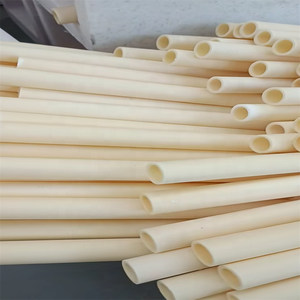
Professional industry ceramic supplier, silicon nitride, silicon carbide, aluminum nitride and any other kinds of ceramics.

1. Introduction
In the past 48 hours, NASA announced a new partnership with a U.S.-based advanced ceramics manufacturer to develop ultra-stable containers for lunar regolith processing—a mission that hinges on one unsung hero: the silicon carbide crucible. Forget your grandma’s casserole dish; this isn’t about dinnerware. We’re talking about vessels that laugh in the face of 1,600°C temperatures and corrosive molten metals like it’s a Tuesday.
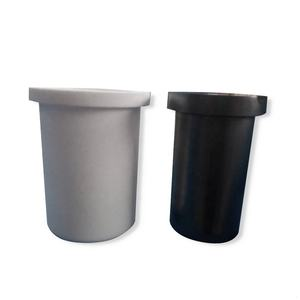
Silicon carbide crucibles aren’t just tough—they’re engineered marvels. Made from one of the hardest known materials (second only to diamond), they combine thermal shock resistance, chemical inertness, and mechanical strength in ways that alumina or zirconia crucibles simply can’t match. And while you might see ‘silicon carbide ceramic baking dish’ trending on kitchen blogs, the real magic happens far from the oven—in labs, foundries, and even orbit.
2. Why Silicon Carbide? A Quick Refresher
Before diving into niche uses, let’s settle the score: boron carbide vs silicon carbide. Boron carbide is harder, yes—but brittle and expensive. Silicon carbide? It’s the Goldilocks of advanced ceramics: strong enough for armor plating (think rbsic silicon carbide tile block), conductive enough for electronics, and stable enough to hold molten titanium without flinching.
Unlike silicon nitride—which excels in fracture toughness but struggles above 1,400°C—silicon carbide maintains integrity well beyond that. And while you can buy a ‘silicon nitride crucible factory’-made vessel for certain applications, when you need raw thermal endurance, silicon carbide crucible is the go-to.
3. Niche Application #1: Semiconductor Crystal Growth
Growing single-crystal silicon—the heart of every microchip—requires a container that won’t contaminate the melt. Enter the high-purity silicon carbide crucible. Used in Czochralski and directional solidification processes, these crucibles withstand prolonged exposure to molten silicon at ~1,414°C without leaching impurities.
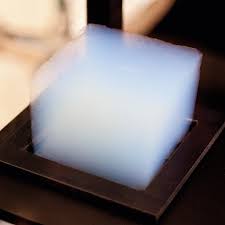
Even trace aluminum or iron from an alumina (Al2O3) crucible could ruin semiconductor performance. Silicon carbide? Nearly inert. Plus, its high thermal conductivity ensures uniform cooling—critical for defect-free crystals. No wonder leading fabs quietly rely on custom silicon carbide crucibles, not flashy marketing campaigns.
4. Niche Application #2: Rare Earth Metal Refining
The green energy revolution runs on neodymium, dysprosium, and other rare earth elements (REEs). But refining them is messy—molten REEs are aggressively reactive, especially with oxygen and moisture. Standard ceramic crucibles? They’d dissolve like sugar in tea.
Silicon carbide crucibles, however, resist both chemical attack and thermal cycling during vacuum induction melting. Their low porosity prevents gas absorption, preserving metal purity. In fact, some REE processors now pair silicon carbide crucibles with custom silicon nitride heat shields to create ultra-stable refining chambers—because when your magnet costs $500/kg, you don’t cut corners.
5. Niche Application #3: Aerospace Superalloy Casting
Jet engines demand nickel-based superalloys that can survive 1,100°C while spinning at 10,000 RPM. To cast turbine blades without defects, manufacturers use investment casting inside silicon carbide crucibles.
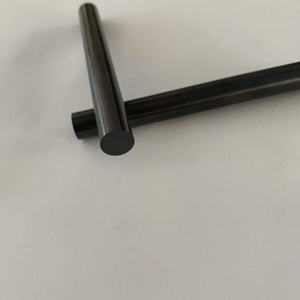
Why? Because these crucibles handle rapid heating/cooling cycles during vacuum arc remelting without cracking. Compare that to a zirconia crucible, which might spall under thermal stress. Bonus: silicon carbide’s smooth surface finish reduces metal adhesion, making demolding easier. Think of it as non-stick cookware—for jet engines.
6. Niche Application #4: Nuclear Fuel Pellet Sintering
In nuclear fuel fabrication, uranium dioxide (UO2) pellets are sintered at ~1,700°C in controlled atmospheres. Contamination = bad news. Alumina tubes or zirconia bricks might introduce unwanted oxides.
Enter the silicon carbide crucible—used as a sintering boat or setter plate. Its stability in reducing atmospheres (like hydrogen-argon mixes) and resistance to uranium diffusion make it ideal. Some facilities even use silicon carbide ceramic columns to support stacked crucibles in tube furnaces, maximizing throughput without sacrificing safety.
7. Niche Application #5: Space Material Synthesis (Yes, Really)
Back to NASA’s lunar project: future Moon bases may process regolith into oxygen and metals using molten salt electrolysis. The electrolyte? A scorching mix of calcium chloride and regolith at 950°C—corrosive enough to eat through steel.
Silicon carbide crucibles are among the few materials that survive long-term exposure. Their compatibility with reactive melts makes them perfect for in-situ resource utilization (ISRU). So while you’re debating between ‘silicon carbide ceramic dinner plates’ and stoneware, engineers are designing crucibles that could one day brew oxygen on Mars.
8. Conclusion
From chip fabs to lunar outposts, the silicon carbide crucible proves that sometimes the most critical tech isn’t flashy—it’s furnace-black, unassuming, and utterly indispensable. While ‘silicon carbide ceramic butter dish with lid’ might sell on Etsy, the real legacy of silicon carbide lies in enabling humanity’s most ambitious material challenges. So next time you hear ‘crucible,’ think less witch’s cauldron, more cosmic enabler.
Our Website founded on October 17, 2012, is a high-tech enterprise committed to the research and development, production, processing, sales and technical services of ceramic relative materials such as 5. Our products includes but not limited to Boron Carbide Ceramic Products, Boron Nitride Ceramic Products, Silicon Carbide Ceramic Products, Silicon Nitride Ceramic Products, Zirconium Dioxide Ceramic Products, etc. If you are interested, please feel free to contact us.
RELATED POSTS

Silicon Carbide Crucibles: The High-Performance Workhorses of Advanced Ceramics
Silicon Carbide Crucibles vs. Silicon Nitride Crucibles: A Deep Dive into High-Temperature Ceramic Performance
How to Properly Use and Maintain a Silicon Carbide Crucible: A Step-by-Step Guide

What Is a Silicon Carbide Crucible and Why Is It So Widely Used?
Silicon Carbide Crucibles Are Powering the Future of Lab-Grown Diamonds