Professional industry ceramic supplier, silicon nitride, silicon carbide, aluminum nitride and any other kinds of ceramics.

1. Introduction
Just 24 hours ago, a major foundry in Ohio reported a production halt due to repeated silicon carbide crucible failures during aluminum melting—a problem costing over $50,000 in downtime and replacements. This incident highlights a widespread but solvable issue: improper handling of high-performance crucibles. If you work with molten metals, glass, or high-temp lab processes, knowing how to care for your silicon carbide crucible isn’t optional—it’s essential.
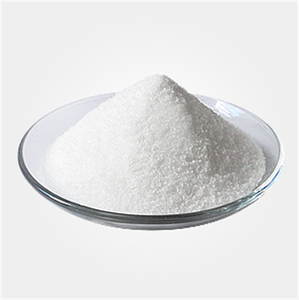
Silicon carbide crucibles are prized for their exceptional thermal conductivity, chemical inertness, and resistance to thermal shock. But even the best-made crucible can crack if mishandled. In this guide, we’ll walk you through step-by-step best practices to maximize performance and longevity.
2. Understand What a Silicon Carbide Crucible Really Is
First, don’t confuse industrial silicon carbide crucibles with consumer items like silicon carbide ceramic baking dishes or dinner plates. While both use SiC, crucibles are dense, sintered advanced ceramics engineered for extreme environments—often above 1600°C.
True silicon carbide crucibles are made from high-purity SiC powder, sometimes reinforced with additives like silicon nitride or alumina. They’re fundamentally different from zirconia crucibles or al2o3 crucibles, which serve other niche applications.
Also, note that boron carbide vs silicon carbide isn’t a direct substitute—boron carbide is harder but less thermally conductive and far more expensive, making it unsuitable for most crucible uses.
3. Step-by-Step Guide to Preventing Crucible Failure
3.1. Always Preheat Gradually
Thermal shock is the #1 cause of cracking. Never place a cold silicon carbide crucible directly into a hot furnace.
- Start at 200–300°C and hold for 30–60 minutes.
- Ramp up slowly (≤150°C per hour) to your operating temperature.
- Use a programmable kiln controller if possible.
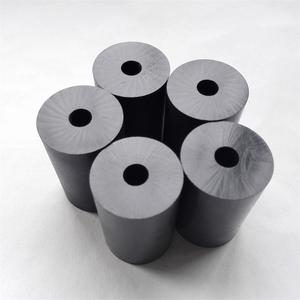
This allows moisture and residual stresses to dissipate safely.
3.2. Avoid Sudden Temperature Changes
Even after preheating, never quench a hot crucible in water or expose it to cold drafts. Let it cool naturally inside the furnace or on a ceramic fiber board.
If you’re using rbsic silicon carbide tile blocks or silicon carbide ceramic columns nearby, ensure they don’t create uneven cooling zones.
3.3. Handle With Care
Silicon carbide is hard but brittle. Dropping it—even from a few inches—can create microcracks that grow under heat.
- Always use tongs designed for crucibles.
- Inspect for chips or hairline fractures before each use.
- Store upright in a dry, padded container.
3.4. Clean Properly After Use
Residue buildup (especially from reactive metals like aluminum or zinc) can corrode the crucible lining over time.
- Let the crucible cool completely.
- Remove slag mechanically with a non-metallic scraper.
- Never use water on a warm crucible—steam can spall the surface.
- For stubborn deposits, heat gently and brush off while warm (but not hot).
Avoid acidic or alkaline cleaners—they degrade SiC over time.
4. Common Mistakes to Avoid
Many users mistakenly treat silicon carbide crucibles like regular ceramic cookware. Remember: silicon carbide ceramic butter dishes or silicon carbide dinner ceramic plates are decorative or culinary—they lack the density and purity needed for industrial use.
Another error? Assuming all ‘ceramic’ tubes or rings are interchangeable. A silicon carbide ring used in burners isn’t the same as a silicon nitride ring, which offers better creep resistance at ultra-high temps.
Also, don’t confuse silicon carbide tubes with alumina tubes or zirconia tubes—each has distinct thermal and chemical limits.
5. When to Replace Your Crucible
Even with perfect care, crucibles wear out. Replace yours if you notice:
- Visible cracks or flaking interior walls
- Warping or deformation
- Increased melt contamination
- Longer heating times (indicating reduced thermal conductivity)
Don’t push it—using a compromised crucible risks catastrophic failure and safety hazards.
6. Bonus: Storage and Compatibility Tips
Store your silicon carbide crucible in a low-humidity environment. Moisture absorption can lead to steam explosions during reheating.
If you’re using accessories like silicon carbide burner nozzles, silicon carbide brick linings, or silicon carbide ceramic piping, ensure they’re from the same thermal expansion family to avoid stress mismatches.
For specialized applications (e.g., semiconductor or lab use), consider alternatives like silicon nitride crucible factory products—but only if your process demands higher fracture toughness over thermal conductivity.
7. Conclusion
A well-maintained silicon carbide crucible can last hundreds of cycles. The key is respecting its material limits: gradual heating, gentle handling, and proper cleaning. By following these steps, you’ll avoid costly downtime, improve melt quality, and get the most out of your investment in advanced ceramics.
Our Website founded on October 17, 2012, is a high-tech enterprise committed to the research and development, production, processing, sales and technical services of ceramic relative materials such as How. Our products includes but not limited to Boron Carbide Ceramic Products, Boron Nitride Ceramic Products, Silicon Carbide Ceramic Products, Silicon Nitride Ceramic Products, Zirconium Dioxide Ceramic Products, etc. If you are interested, please feel free to contact us.
RELATED POSTS
Why Is Silicon Carbide Crucible Essential in High-Temperature Crystal Growth?

Silicon Carbide Crucibles: The High-Performance Workhorses of Advanced Ceramics

Why Are Silicon Carbide Crucibles Essential in Advanced Aerospace Material Processing?

Silicon Carbide Crucibles: The Backbone of High-Temperature Industrial and Laboratory Applications
What Is a Silicon Carbide Crucible and Why Is It Essential in High-Temperature Applications?