Professional industry ceramic supplier, silicon nitride, silicon carbide, aluminum nitride and any other kinds of ceramics.

1. Introduction
Just 24 hours ago, a major supplier in the advanced ceramics sector announced a breakthrough in RBSiC (Reaction-Bonded Silicon Carbide) manufacturing, significantly improving the thermal shock resistance of silicon carbide crucibles used in metal foundries and lab settings. This innovation highlights how critical proper handling remains—even with enhanced materials.
If you work with molten metals, glass, or high-temp lab processes, your silicon carbide crucible is likely one of your most valuable—and fragile—tools. Unlike standard ceramic or alumina crucibles, silicon carbide offers superior thermal conductivity and mechanical strength, but it demands specific care to avoid premature failure.
2. Understanding Your Silicon Carbide Crucible
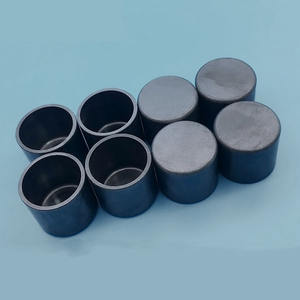
A silicon carbide crucible is made from advanced ceramic materials known for exceptional heat resistance (up to 1600°C+), corrosion resistance, and durability. It’s commonly used in foundries for melting aluminum, copper, brass, and even precious metals.
Don’t confuse it with zirconia crucibles or alumina (Al2O3) crucibles—those serve different temperature and chemical environments. Also, while boron carbide vs silicon carbide comparisons often arise in armor applications, silicon carbide remains the go-to for crucibles due to its balance of cost, performance, and manufacturability.
3. Step-by-Step: How to Use a Silicon Carbide Crucible Safely
3.1. Pre-Drying and Preheating
Never place a cold or damp silicon carbide crucible directly into a hot furnace. Moisture trapped in microscopic pores can flash to steam, causing cracks or explosions.
- Always dry new or stored crucibles at 150–200°C for 1–2 hours.
- Gradually ramp up furnace temperature: start at 300°C for 30 minutes, then increase by 200°C every 20–30 minutes until reaching operating temp.
3.2. Loading and Melting
Fill the crucible no more than 75% full to prevent spillage during thermal expansion or bubbling.
Avoid introducing wet or oily scrap metal—this causes violent reactions. Pre-dry all charge materials.
Use graphite or silicon carbide tongs—not steel—to handle the crucible. Steel can react with SiC at high temps.
3.3. Pouring and Cooling
Pour molten material smoothly to minimize thermal stress on the crucible walls.
After use, allow the crucible to cool slowly inside the furnace or in a preheated drying oven. Rapid air cooling invites thermal shock.
4. Common Problems and Solutions
4.1. Cracking or Spalling
Cause: Sudden temperature changes or mechanical impact.
Solution: Always follow gradual heating/cooling cycles. Store crucibles on soft, non-abrasive surfaces.
4.2. Glaze Buildup or Metal Penetration
Over time, molten metal can seep into pores, especially if the crucible lacks a protective glaze.
Prevention: Apply a boron nitride or proprietary release coating before first use. Avoid overheating beyond recommended limits.
4.3. Reduced Lifespan
Using the wrong alloy (e.g., highly reactive metals like titanium) or acidic fluxes can degrade SiC.
Tip: For aggressive chemistries, consider a silicon nitride crucible from a silicon nitride crucible factory—Si3N4 offers better chemical inertness in some cases.
5. Cleaning and Storage
After cooling, remove solidified residue with a wooden or plastic scraper—never metal tools.
For stubborn deposits, soak in a mild alkaline solution (not acid!) and rinse thoroughly.
Store in a dry, dust-free cabinet. Stack carefully or use individual cradles to prevent chipping.
6. When to Replace Your Crucible
Inspect before each use. Replace if you see:
- Deep cracks or holes
- Significant wall thinning
- Warping or deformation
Even high-quality silicon carbide ceramic tiles or RBSiC silicon carbide tile blocks used in furnace linings follow similar inspection rules—structural integrity is non-negotiable.
7. Bonus: Related Advanced Ceramic Products
While your focus may be the crucible, it’s worth noting that silicon carbide’s versatility extends far beyond. You’ll find it in:
- Silicon carbide burner nozzles and silicon carbide brick for industrial furnaces
- Silicon carbide ceramic tubes for thermocouple protection or gas flow
- Even consumer items like silicon carbide ceramic baking dishes, silicon carbide ceramic dinner plates, and silicon carbide ceramic serving bowls (though these are typically lower-purity grades)
For ultra-high-performance needs, explore alternatives like custom silicon nitride heat shields, silicon nitride plates, or high purity silicon nitride powder market innovations—but remember, silicon nitride crucibles serve niche roles where oxidation resistance outweighs thermal conductivity needs.
8. Conclusion
A silicon carbide crucible is a powerhouse in high-temperature processing—but only if treated with respect. By following proper preheating, handling, and cleaning protocols, you’ll extend its life, ensure consistent results, and avoid costly downtime. Whether you’re in a lab, foundry, or advanced ceramics manufacturing facility, mastering these steps makes all the difference.
Our Website founded on October 17, 2012, is a high-tech enterprise committed to the research and development, production, processing, sales and technical services of ceramic relative materials such as How. Our products includes but not limited to Boron Carbide Ceramic Products, Boron Nitride Ceramic Products, Silicon Carbide Ceramic Products, Silicon Nitride Ceramic Products, Zirconium Dioxide Ceramic Products, etc. If you are interested, please feel free to contact us.
RELATED POSTS

What Makes Silicon Carbide Crucibles Superior in High-Temperature Industrial Applications?
Silicon Carbide Crucibles: High-Performance Solutions for Extreme Industrial and Laboratory Applications
5 Niche Applications of Silicon Carbide Crucibles You Didn’t Know About
7 Essential Facts About Silicon Carbide Crucibles and Their Industrial & Domestic Uses

What Makes Silicon Carbide Crucibles Essential in Modern High-Temperature Applications?