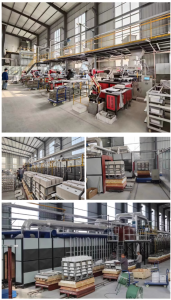
Professional industry ceramic supplier, silicon nitride, silicon carbide, aluminum nitride and any other kinds of ceramics.

1. Introduction
Just 24 hours ago, a major materials science conference in Germany highlighted new durability benchmarks for advanced ceramics used in metal casting—spotlighting silicon carbide crucibles for their unmatched thermal conductivity and resistance to oxidation. As industries from foundries to labs increasingly rely on these robust containers, knowing how to use them correctly is essential.
Silicon carbide crucibles are prized for melting non-ferrous metals like aluminum, copper, and brass. But misuse can lead to premature failure. This guide gives you clear, actionable steps to get the most out of your silicon carbide crucible—whether you’re in a small workshop or an industrial setting.
2. What Is a Silicon Carbide Crucible?
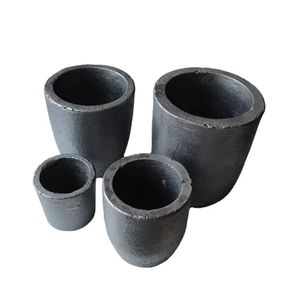
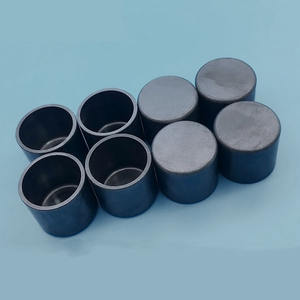
A silicon carbide crucible is a high-performance container made from silicon carbide (SiC), an advanced ceramic known for extreme hardness, thermal shock resistance, and stability at temperatures up to 1600°C (2912°F). Unlike alumina or zirconia crucibles, silicon carbide offers superior heat transfer, making melts faster and more energy-efficient.
These crucibles are often confused with other SiC products like silicon carbide ceramic tiles, silicon carbide burner nozzles, or even silicon carbide ceramic baking dishes—but their composition and purpose are distinct. Crucibles are engineered specifically for molten metal containment, not cookware or structural parts.
3. Step-by-Step: How to Use a Silicon Carbide Crucible Safely
3.1. Preheat Gradually
Never place a cold silicon carbide crucible directly into a hot furnace. Thermal shock is the #1 cause of cracks. Instead, ramp up the temperature slowly:
- Start at 150–200°C (302–392°F) for 30 minutes.
- Increase to 600°C (1112°F) over 1–2 hours.
- Hold at that temperature for another hour before reaching your target melt temp.
This process removes moisture and equalizes internal stresses.
3.2. Avoid Contamination
Use clean, dry charge materials. Moisture or oxides can react with the crucible lining, causing pitting or erosion. Never melt chlorides or fluorides in a standard silicon carbide crucible—they degrade SiC rapidly.
Also, don’t confuse your crucible with a silicon nitride crucible factory product. While silicon nitride offers excellent corrosion resistance, it’s less conductive than silicon carbide and used in different applications.
3.3. Handle with Care
Always use tongs designed for crucibles. Dropping or scraping can create microfractures that worsen under heat. Store your crucible on a flat, dry surface—never stack heavy items on top.
4. Common Problems and Solutions
4.1. Cracking After First Use
Likely cause: insufficient preheating. Solution: Always follow the gradual ramp-up schedule. Consider using a programmable kiln controller for consistency.
4.2. Metal Sticking to Crucible Walls
This often happens when melting aluminum without proper flux. Apply a compatible release coating (like boron nitride spray) before each use. Note: boron carbide vs silicon carbide—while both are hard ceramics, boron carbide isn’t typically used for crucibles due to cost and brittleness.
4.3. Reduced Lifespan in Repeated Cycles
Check your furnace atmosphere. Oxidizing conditions accelerate SiC degradation. In some cases, switching to an rbsic silicon carbide tile block design (reaction-bonded SiC) can improve longevity due to higher density.
5. Cleaning and Storage Tips
After use, let the crucible cool naturally inside the furnace—never quench in water. Once cool, remove slag with a soft brush or wooden scraper. Avoid metal tools that scratch the surface.
Store in a dry cabinet. Humidity can promote oxidation over time, especially if the crucible has micro-pores from repeated use.
6. When to Replace Your Crucible
Inspect before every use. Replace if you see:
- Deep cracks or flaking
- Significant wall thinning (>20% loss)
- Warping or deformation
Don’t risk a melt spill. A new silicon carbide crucible is far cheaper than damaged equipment or injury.
7. Conclusion
A silicon carbide crucible is a powerful tool—but only if treated right. By preheating properly, avoiding contaminants, and inspecting regularly, you’ll extend its life and ensure safe, efficient operation. Remember: while related products like silicon carbide ceramic dinner plates or silicon carbide tubes serve other purposes, your crucible demands respect for its high-temp role. Treat it well, and it’ll deliver consistent performance batch after batch.
Our Website founded on October 17, 2012, is a high-tech enterprise committed to the research and development, production, processing, sales and technical services of ceramic relative materials such as How. Our products includes but not limited to Boron Carbide Ceramic Products, Boron Nitride Ceramic Products, Silicon Carbide Ceramic Products, Silicon Nitride Ceramic Products, Zirconium Dioxide Ceramic Products, etc. If you are interested, please feel free to contact us.
RELATED POSTS

What Makes Silicon Carbide Crucibles Superior in High-Temperature Industrial Applications?
5 Niche Applications of Silicon Carbide Crucibles You Didn’t Know About

What Is a Silicon Carbide Crucible and Why Is It Essential in High-Temperature Applications?
What Makes Silicon Carbide Crucibles Superior in High-Temperature Industrial Applications?

Equipment Overheating Problem? Aluminum Nitride Ceramic Lining May Be The Ultimate Answer