Professional industry ceramic supplier, silicon nitride, silicon carbide, aluminum nitride and any other kinds of ceramics.

1. Introduction
Just 24 hours ago, a major materials supplier announced expanded production of high-purity silicon carbide crucibles to meet surging global demand in metallurgy and lab-scale crystal growth. This highlights how critical proper crucible care has become—not just for performance, but for cost efficiency and safety.
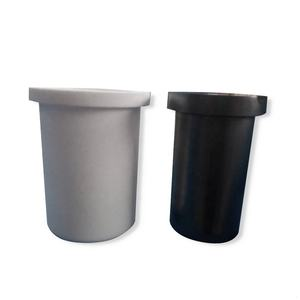
If you’re working with molten metals, glass, or high-temp lab processes, your silicon carbide crucible is likely one of your most valuable—and fragile—tools. Unlike standard ceramic cookware like silicon carbide ceramic dinner plates or baking dishes, industrial-grade silicon carbide crucibles demand specific handling to avoid premature failure.
2. Understanding Your Silicon Carbide Crucible
Silicon carbide (SiC) is an advanced ceramic known for exceptional thermal conductivity, hardness, and resistance to thermal shock. A silicon carbide crucible leverages these properties to withstand temperatures up to 1,600°C (2,912°F) while maintaining structural integrity.
Don’t confuse it with other ceramics:
- Boron carbide vs silicon carbide: Boron carbide is harder but more brittle and expensive—better for armor than crucibles.
- Silicon nitride crucible factory products offer higher fracture toughness but lower thermal conductivity.
- Zirconia crucibles handle even higher temps but are prone to phase changes and cost significantly more.
3. Step-by-Step Guide to Using a Silicon Carbide Crucible
3.1. Pre-Use Inspection
Before first use—or after storage—inspect your silicon carbide crucible for cracks, chips, or residue. Even hairline fractures can lead to catastrophic failure during heating.
3.2. Proper Drying and Preheating
New or stored crucibles often absorb moisture. Skipping drying causes steam pressure buildup, leading to cracks.
- Place the empty crucible in a furnace or kiln at 150–200°C (302–392°F) for 1–2 hours.
- Gradually ramp temperature to 600°C (1,112°F) over 2–3 hours to burn off contaminants.
- Only then proceed to operating temperature.
3.3. Loading and Melting
Avoid overfilling—keep material below 75% capacity to prevent spillage and uneven heating.
Never add cold material to a hot crucible. Preheat charge materials if possible.
Use compatible tools: graphite or silicon carbide tongs only. Metal tools can react or scratch the surface.
3.4. Cooling Down Safely
After use, allow the crucible to cool naturally inside the furnace with the power off. Rapid cooling—even in air—can cause thermal shock.
Never quench a hot silicon carbide crucible in water or place it on a cold metal surface.
4. Common Problems and Solutions
4.1. Cracking or Spalling
Cause: Thermal shock from rapid heating/cooling or moisture trapped in pores.
Fix: Always follow gradual ramp rates. Store crucibles in dry environments.
4.2. Glazing or Buildup
Molten oxides or fluxes can form glassy layers that reduce heat transfer.
Solution: Clean with a soft brush while warm (not hot). For stubborn residue, use mild acid wash (e.g., diluted HCl), then rinse thoroughly and re-dry.
4.3. Reduced Lifespan
Using incompatible materials (e.g., strong alkalis or certain slags) accelerates corrosion.
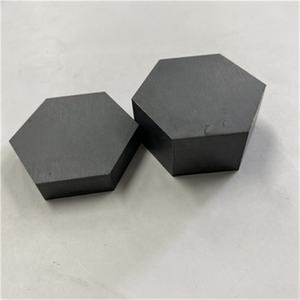
Tip: Match your crucible grade to your process. Standard SiC works for non-ferrous metals; for aggressive chemistries, consider RBSiC (reaction-bonded silicon carbide) variants like rbsic silicon carbide tile block or custom-engineered forms.
5. Storage and Maintenance Tips
Store your silicon carbide crucible upright in a dry, dust-free cabinet. Avoid stacking unless using protective spacers.
Never store wet or damp. Moisture leads to oxidation of free silicon in some SiC grades.
Label crucibles by use type (e.g., ‘Aluminum,’ ‘Glass’) to prevent cross-contamination.
6. When to Replace Your Crucible
Replace if you notice:
- Deep cracks or holes
- Significant wall thinning
- Warping or deformation
- Repeated sticking or inconsistent melting behavior
Remember: A failing crucible risks spills, contamination, or furnace damage—don’t push its limits.
7. Conclusion
A silicon carbide crucible is a powerhouse in high-temp applications—but only if treated with respect. By following proper preheating, loading, cooling, and cleaning protocols, you’ll extend its life, ensure consistent results, and avoid costly accidents. Whether you’re in a foundry, lab, or advanced ceramics workshop, mastering these steps turns your crucible from a consumable into a reliable workhorse.
Our Website founded on October 17, 2012, is a high-tech enterprise committed to the research and development, production, processing, sales and technical services of ceramic relative materials such as How. Our products includes but not limited to Boron Carbide Ceramic Products, Boron Nitride Ceramic Products, Silicon Carbide Ceramic Products, Silicon Nitride Ceramic Products, Zirconium Dioxide Ceramic Products, etc. If you are interested, please feel free to contact us.
RELATED POSTS
Choose the Right Silicon Carbide Crucible: A Comparative Analysis of Advanced Ceramic Materials for High-Temperature Applications
Silicon Carbide Crucibles: High-Performance Solutions for Extreme Industrial and Laboratory Applications
Unlock High-Temperature Precision: How Silicon Carbide Crucibles Power Advanced Ceramics Manufacturing
Silicon Carbide Crucibles vs. Silicon Nitride Crucibles: A Deep Dive into Advanced Ceramic Performance
Unlock the Power of Silicon Carbide Crucibles in Aerospace Alloy Refining