Professional industry ceramic supplier, silicon nitride, silicon carbide, aluminum nitride and any other kinds of ceramics.

1. Introduction
Just 24 hours ago, a major foundry in Ohio reported unexpected downtime due to repeated silicon carbide crucible failures during aluminum melting—a situation that cost them over $50,000 in lost production. The root cause? Improper preheating and moisture exposure. This real-world incident underscores how critical proper handling is when working with advanced ceramics like silicon carbide crucibles.

Silicon carbide crucibles are prized for their exceptional thermal conductivity, resistance to thermal shock, and ability to withstand temperatures above 1,600°C. However, even these robust components can fail prematurely if mishandled. Whether you’re in metallurgy, glassmaking, or lab-scale material synthesis, this step-by-step guide will help you avoid common pitfalls and get the most out of your silicon carbide crucible.
2. Understanding Your Silicon Carbide Crucible
Before diving into usage, it’s essential to recognize that not all silicon carbide (SiC) crucibles are identical. Most industrial-grade versions are made from reaction-bonded silicon carbide (RBSiC), known for its strength and purity. You might also encounter sintered SiC or nitride-bonded variants, each with slightly different thermal and chemical profiles.
Don’t confuse your silicon carbide crucible with alternatives like zirconia crucibles or alumina (Al2O3) crucibles—each serves different chemical environments. For instance, while zirconia excels in highly corrosive melts, silicon carbide offers superior thermal shock resistance, making it ideal for rapid heating cycles.
3. Step-by-Step Guide to Using a Silicon Carbide Crucible
3.1. Pre-Drying and Moisture Removal
Moisture is enemy number one. Even ambient humidity can condense inside a stored crucible. Always pre-dry your silicon carbide crucible at 150–200°C for 2–4 hours before first use or after storage.
- Place the empty crucible in a drying oven or low-temp furnace.
- Never introduce a cold, damp crucible directly into a hot furnace—it will crack from steam pressure.
3.2. Gradual Preheating
Thermal shock remains the leading cause of crucible failure. Always ramp up temperature slowly:
- Stage 1: Heat to 300°C over 30–60 minutes.
- Stage 2: Hold for 30 minutes to equalize temperature.
- Stage 3: Increase to operating temperature (e.g., 1,200–1,500°C) at no more than 200°C per hour.
This mimics best practices used with other advanced ceramics like silicon nitride ceramic components or silicon carbide ceramic tubes.
3.3. Loading and Melting Best Practices
When charging your crucible:
- Avoid overfilling—leave at least 20% headspace.
- Use clean, dry charge materials to prevent gas evolution or splashing.
- Never drop metal ingots or scrap into the crucible; slide them in gently to avoid chipping the brittle SiC walls.
Note: Silicon carbide crucibles are not suitable for highly oxidizing melts or prolonged exposure to strong alkalis, which can degrade the SiC matrix.
4. Common Problems and Solutions
4.1. Cracking or Spalling
Cause: Rapid temperature changes or mechanical impact.
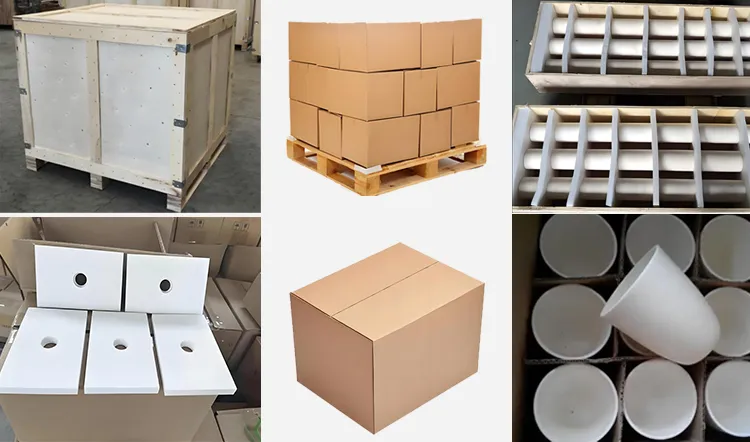
Solution: Always follow gradual heating/cooling protocols. Store crucibles on soft, non-abrasive surfaces. Consider using RBSiC silicon carbide tile blocks as support bases to minimize stress points.
4.2. Oxidation and Surface Degradation
At temperatures above 1,000°C in air, silicon carbide forms a silica (SiO2) layer that can flake off over time.
Solution: Limit exposure to oxygen-rich atmospheres. In controlled environments, consider protective coatings or switch to silicon nitride crucibles for ultra-high-purity applications—many silicon nitride crucible factories now offer custom designs for lab and industrial use.
4.3. Metal Contamination
Impurities from previous melts can leach into new batches.
Solution: Dedicate crucibles to specific alloys. Clean thoroughly between uses by heating to 800°C in an inert atmosphere to burn off residues—never use water or acids unless explicitly approved by the manufacturer.
5. Maintenance and Storage Tips
After use, allow the crucible to cool naturally inside the furnace to room temperature. Sudden air cooling invites cracks.
Store in a dry, climate-controlled cabinet—preferably wrapped in desiccant-lined packaging. Keep away from silicon carbide ceramic baking dishes or dinnerware (yes, SiC is also used in high-end cookware like silicon carbide ceramic casserole dishes!), as kitchen-grade items aren’t designed for industrial thermal cycling.
Inspect regularly for hairline cracks, pitting, or warping. If you spot damage, retire the crucible—continuing to use it risks catastrophic failure.
6. When to Choose Alternatives
While silicon carbide crucibles are versatile, they’re not universal. Compare boron carbide vs silicon carbide: boron carbide (B4C) offers higher hardness but lower thermal conductivity and is rarely used for crucibles due to cost and brittleness.
For extreme chemical resistance, consider zirconia crucibles or custom silicon nitride heat shields. Silicon nitride plates and rings are increasingly popular in semiconductor and aerospace applications thanks to their stability under load at high temps.
7. Conclusion
A silicon carbide crucible is a powerful tool—but only if treated with respect for its material limits. By following proper drying, heating, loading, and storage protocols, you can significantly extend its service life and avoid costly interruptions. Remember: the same advanced ceramic science that enables silicon carbide ceramic columns, burner nozzles, and thermocouple protection tubes also demands careful operational discipline. Handle it right, and your crucible will deliver consistent, reliable performance for hundreds of cycles.
Our Website founded on October 17, 2012, is a high-tech enterprise committed to the research and development, production, processing, sales and technical services of ceramic relative materials such as How. Our products includes but not limited to Boron Carbide Ceramic Products, Boron Nitride Ceramic Products, Silicon Carbide Ceramic Products, Silicon Nitride Ceramic Products, Zirconium Dioxide Ceramic Products, etc. If you are interested, please feel free to contact us.
RELATED POSTS

Silicon Carbide Crucibles: The Backbone of High-Temperature Industrial and Laboratory Applications

Why Are Silicon Carbide Crucibles Critical in Advanced Semiconductor Crystal Growth?
7 Essential Facts About Silicon Carbide Crucibles and Their Industrial & Kitchen Uses

How to Properly Use and Maintain a Silicon Carbide Crucible: A Step-by-Step Guide

How to Properly Use and Maintain a Silicon Carbide Crucible: A Step-by-Step Guide