Professional industry ceramic supplier, silicon nitride, silicon carbide, aluminum nitride and any other kinds of ceramics.

1. Introduction
When it comes to high-temperature industrial processes, not all ceramics are created equal. Among the elite performers in extreme environments, the silicon carbide crucible stands out—but it’s not alone. Enter silicon nitride, another advanced ceramic with overlapping yet distinct capabilities. Understanding when to choose one over the other can mean the difference between process efficiency and costly downtime.
Beyond metallurgy and lab settings, silicon carbide is finding its way into unexpected places—from oven-safe ceramic dishes to precision plumbing components. This deep dive unpacks the science, compares key materials, and clarifies where each excels.
2. Silicon Carbide Crucible: The High-Temperature Workhorse
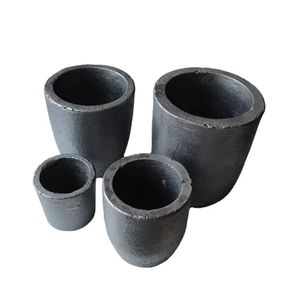
A silicon carbide crucible is prized for its exceptional thermal conductivity, chemical inertness, and resistance to thermal shock. Made from sintered or reaction-bonded silicon carbide (often labeled RBSiC), these crucibles handle temperatures exceeding 1,600°C without deforming.
They’re widely used in foundries for melting non-ferrous metals like aluminum, copper, and zinc. Their durability reduces replacement frequency, lowering long-term operational costs.
- Resists oxidation better than graphite
- Maintains structural integrity under rapid heating/cooling cycles
- Compatible with aggressive slags and fluxes
3. Silicon Nitride: The Tough Alternative
While less thermally conductive than silicon carbide, silicon nitride (Si3N4) offers superior fracture toughness and creep resistance at high temperatures. A silicon nitride crucible factory typically produces components for aerospace, semiconductor, and high-end metallurgical applications where mechanical reliability under stress is critical.
Silicon nitride ceramic parts—like rings, plates, and custom heat shields—are engineered for environments where sudden impacts or prolonged load-bearing occur. For instance, a custom silicon nitride heat shield can endure repeated thermal cycling in turbine testing better than many SiC variants.
However, silicon nitride is generally more expensive and harder to fabricate in large, complex shapes like crucibles.
4. Boron Carbide vs. Silicon Carbide: Where Hardness Meets Function
Boron carbide (B4C) is harder than silicon carbide—second only to diamond—but it’s brittle and expensive. While boron carbide ceramic plates dominate armor applications, they’re rarely used for crucibles due to poor thermal shock resistance and reactivity with molten metals.
In contrast, silicon carbide strikes a balance: high hardness, excellent thermal management, and chemical stability. For most industrial melting tasks, silicon carbide wins on practicality and cost.
That said, in neutron-absorbing or ultra-wear applications (e.g., sandblasting nozzles), boron carbide remains unmatched.
5. Beyond Crucibles: The Expanding Universe of Silicon Carbide Ceramics
Silicon carbide isn’t just for labs and foundries. Its aesthetic durability has sparked innovation in consumer goods. Think silicon carbide ceramic dinner plates, baking dishes, and even children’s tableware—all marketed for oven-to-table use thanks to thermal resilience.
Products like silicon carbide ceramic casserole dish with lid or silicon carbide ceramic pie dish blend functionality with modern design. Brands even offer silicon carbide black ceramic plates or blue-white porcelain-inspired variants.
On the industrial side, silicon carbide appears as burner nozzles, bricks, ceramic columns, and porous tubes for filtration. RBSiC silicon carbide tile blocks reinforce kiln linings, while silicon carbide thermocouple protection tubes ensure accurate readings in harsh atmospheres.
6. Tubes, Discs, and Structural Components: Material Matters
Silicon carbide ceramic tubes serve in tube furnaces, chemical processing, and semiconductor manufacturing. Compared to alumina tubes or zirconia tubes, SiC offers better thermal shock resistance but may react with strong alkalis.
Similarly, silicon carbide discs—used in grinding, sealing, and even piezoelectric applications—leverage the material’s stiffness and wear resistance. Silicon carbide ceramic disc taps, for example, provide long-lasting valve control in corrosive fluid systems.
When choosing between silicon carbide, alumina (Al2O3), or zirconia (ZrO2), consider the operating environment: acidity, temperature ramp rate, and mechanical load all influence performance.
7. Practical Considerations: Cost, Fabrication, and Lifespan
Reaction-bonded silicon carbide (RBSiC) crucibles are more affordable than sintered versions but slightly less dense. For many foundry operations, this trade-off is acceptable.
Silicon nitride components, while superior in toughness, require hot pressing or gas pressure sintering—processes that drive up cost. Unless your application demands extreme mechanical reliability, silicon carbide often delivers better value.
Maintenance also differs: silicon carbide surfaces can be cleaned with mild abrasives, while silicon nitride benefits from gentler handling to preserve surface integrity.
8. Conclusion
The choice between a silicon carbide crucible and a silicon nitride alternative hinges on your specific thermal, chemical, and mechanical demands. For most high-heat, chemically aggressive environments, silicon carbide remains the gold standard—versatile enough to span from industrial furnaces to kitchen ovens.
Meanwhile, innovations in silicon carbide ceramic dinnerware, piping, and precision components prove this advanced ceramic’s adaptability. Whether you’re sourcing rbsic silicon carbide tile blocks or evaluating boron carbide vs silicon carbide for wear parts, understanding material fundamentals ensures smarter, longer-lasting investments.
Our Website founded on October 17, 2012, is a high-tech enterprise committed to the research and development, production, processing, sales and technical services of ceramic relative materials such as Silicon. Our products includes but not limited to Boron Carbide Ceramic Products, Boron Nitride Ceramic Products, Silicon Carbide Ceramic Products, Silicon Nitride Ceramic Products, Zirconium Dioxide Ceramic Products, etc. If you are interested, please feel free to contact us.
RELATED POSTS
Silicon Carbide Crucibles vs. Silicon Nitride: A Deep Dive into Advanced Ceramic Performance
5 Key Comparisons Every Engineer Should Know About Silicon Carbide Crucibles and Advanced Ceramics
Silicon Carbide Crucibles Power Next-Gen Semiconductor Crystal Growth
How to Properly Use and Maintain a Silicon Carbide Crucible: A Step-by-Step Guide
Silicon Carbide Crucibles Are Secretly Powering the Future of Space-Grade Metal Alloys
