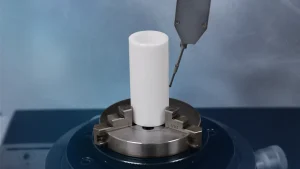
Professional industry ceramic supplier, silicon nitride, silicon carbide, aluminum nitride and any other kinds of ceramics.

1. Introduction
In the past 48 hours, global demand for high-temperature industrial materials has surged due to renewed investments in semiconductor and renewable energy manufacturing—sectors that rely heavily on advanced ceramics like silicon carbide. Among these, the silicon carbide crucible stands out as a critical component for melting, casting, and processing reactive metals and alloys under extreme conditions. Unlike traditional ceramic containers, silicon carbide crucibles offer unmatched thermal shock resistance, chemical inertness, and mechanical strength at elevated temperatures.
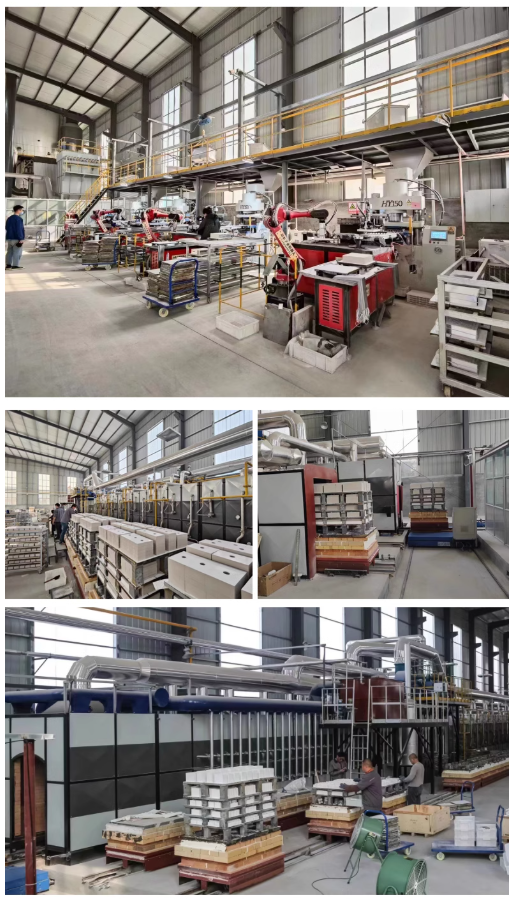
Whether you’re in metallurgy, laboratory research, or specialty glass production, understanding what makes a silicon carbide crucible so valuable—and how it fits into the broader ecosystem of advanced ceramics—is essential for optimizing performance and cost-efficiency.
2. What Is a Silicon Carbide Crucible?
A silicon carbide crucible is a container made primarily from silicon carbide (SiC), an advanced ceramic material known for its exceptional hardness, thermal conductivity, and resistance to oxidation and corrosion. These crucibles are engineered to withstand temperatures exceeding 1,600°C (2,912°F) while maintaining structural integrity during repeated heating and cooling cycles.
Manufactured through processes like reaction bonding (RBSiC) or sintering, silicon carbide crucibles are denser and more durable than those made from alumina (Al2O3) or zirconia (ZrO2). This makes them ideal for handling molten aluminum, copper, zinc, and even aggressive slags in foundries and laboratories.
3. Key Properties and Advantages
The popularity of the silicon carbide crucible stems from its unique combination of physical and chemical traits:
- Extremely high thermal conductivity, enabling rapid and uniform heating
- Low thermal expansion, minimizing cracking during thermal cycling
- Excellent resistance to wetting by molten metals
- Superior mechanical strength at high temperatures compared to alumina or zirconia crucibles
- Long service life, reducing downtime and replacement costs
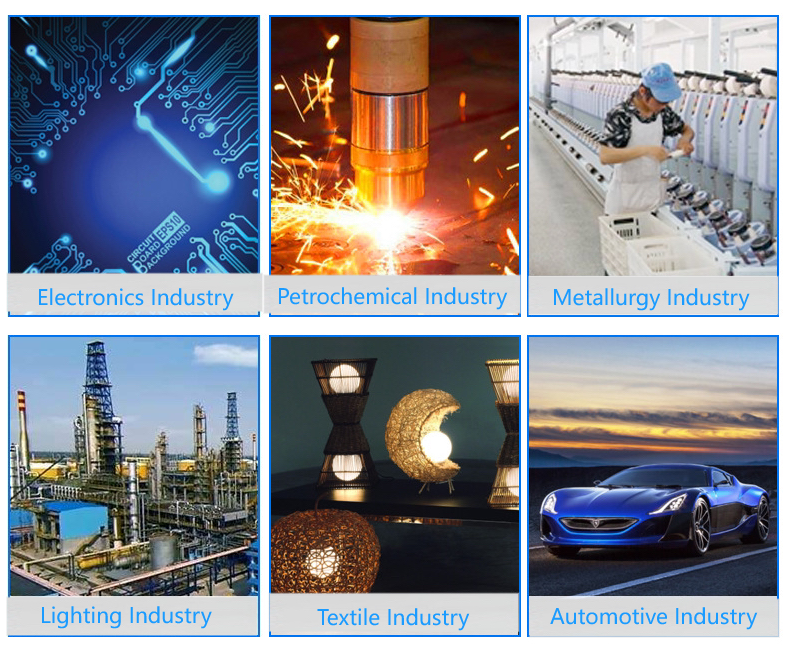
These properties make silicon carbide crucibles not just functional but economically advantageous in high-throughput industrial settings.
4. Silicon Carbide vs. Other Advanced Ceramics
When selecting a crucible material, engineers often compare silicon carbide with alternatives like boron carbide, alumina, and silicon nitride.
Boron carbide vs silicon carbide: While boron carbide (B4C) is harder and used in armor applications, it’s more expensive and less thermally conductive than SiC. For crucibles, silicon carbide offers better overall performance at a lower cost.
Silicon nitride crucible factory output has grown recently due to demand in aerospace and electronics, but silicon nitride (Si3N4) crucibles are typically reserved for specialized applications requiring extreme fracture toughness—not general metal melting. A silicon nitride ring or custom silicon nitride heat shield may excel in turbine engines, but for most foundry uses, silicon carbide remains the go-to.
Alumina (aluminiumoxid or Al2O3) crucibles are cheaper but degrade faster when exposed to certain molten metals. Zirconia crucibles offer high melting points but suffer from phase instability unless stabilized with yttria.
5. Beyond Crucibles: The Versatility of Silicon Carbide Ceramics
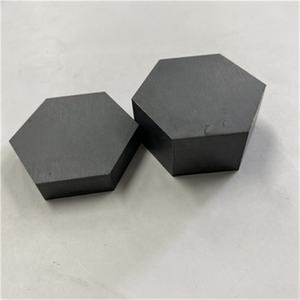
The utility of silicon carbide extends far beyond crucibles. Its robust properties have led to a wide range of industrial and consumer products:
In industrial settings, you’ll find rbsic silicon carbide tile blocks lining furnaces, silicon carbide burner nozzles in combustion systems, and silicon carbide bricks in refractory linings. Silicon carbide ceramic columns and tubes—including silicon carbide thermocouple protection tubes and porous ceramic tubes—are standard in high-temperature gas filtration and sensing.
Surprisingly, silicon carbide also appears in kitchenware. Products like silicon carbide ceramic baking dishes, casserole dishes with lids, pie dishes, salad bowls, and even children’s plates leverage SiC’s thermal stability and non-reactivity. Brands offering silicon carbide baking dish Staub-style cookware highlight durability and oven-to-table convenience.
Other niche applications include silicon carbide ceramic disc taps for plumbing, grinding discs for pottery, and silicon carbide ceramic piping for corrosive fluid transport. Even decorative items like silicon carbide blue white porcelain plates or Christmas ceramic platters benefit from the material’s aesthetic versatility and strength.
6. Manufacturing and Customization
Modern advanced ceramics manufacturing allows for highly customized silicon carbide components. Whether it’s a silicon carbide ceramic plate for dinner, a handcrafted ceramic serving platter, or a precision-machined silicon carbide ring for pumps, manufacturers can tailor geometry, porosity, and surface finish to specific needs.
Reaction-bonded silicon carbide (RBSiC) is particularly popular for complex shapes like rbsic ceramic pillars or furnace plates due to its near-net-shape capability and minimal shrinkage during firing. Meanwhile, sintered SiC offers higher purity for semiconductor or lab use.
7. Conclusion
The silicon carbide crucible exemplifies the power of advanced ceramics in solving real-world engineering challenges. From foundries to fine dining, silicon carbide’s blend of thermal, mechanical, and chemical resilience ensures its continued dominance across industries. As demand grows for energy-efficient, long-lasting materials—especially in green tech and high-performance manufacturing—the role of silicon carbide and related ceramics like silicon nitride will only expand. Choosing the right form—whether a crucible, tube, tile, or dinner plate—depends on understanding these materials’ nuanced strengths.
Our Website founded on October 17, 2012, is a high-tech enterprise committed to the research and development, production, processing, sales and technical services of ceramic relative materials such as Silicon. Our products includes but not limited to Boron Carbide Ceramic Products, Boron Nitride Ceramic Products, Silicon Carbide Ceramic Products, Silicon Nitride Ceramic Products, Zirconium Dioxide Ceramic Products, etc. If you are interested, please feel free to contact us.
RELATED POSTS
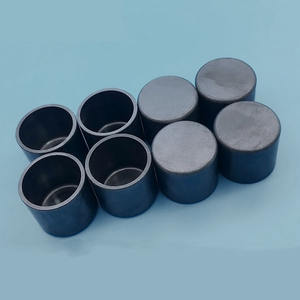
Silicon Carbide Crucibles Power Next-Gen Semiconductor Crystal Growth
Silicon Carbide Crucibles Power High-Temperature Crystal Growth in Semiconductor Manufacturing
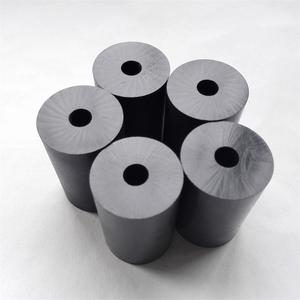
5 Niche Applications of Silicon Carbide Crucibles in Advanced Industrial and Scientific Fields
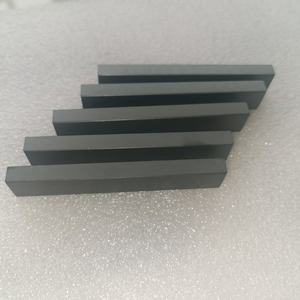
5 Key Comparisons That Define the Performance of Silicon Carbide Crucibles in Modern Industry
Silicon Carbide Crucibles vs. Silicon Nitride Crucibles: The Ultimate High-Temperature Showdown