Professional industry ceramic supplier, silicon nitride, silicon carbide, aluminum nitride and any other kinds of ceramics.

1. Introduction
When it comes to high-temperature industrial processes, few materials match the resilience of advanced ceramics. Among them, the silicon carbide crucible stands out for its exceptional thermal conductivity, oxidation resistance, and durability in extreme environments. But as demand grows for even more specialized performance—especially in semiconductor, metallurgy, and aerospace applications—engineers are increasingly comparing silicon carbide with another heavyweight: silicon nitride. This deep dive unpacks the strengths, limitations, and ideal use cases for both, while also placing the silicon carbide crucible within the broader ecosystem of silicon carbide-based products.

2. Silicon Carbide Crucibles: The Industrial Workhorse
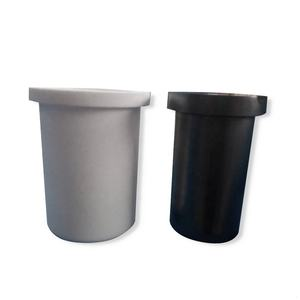
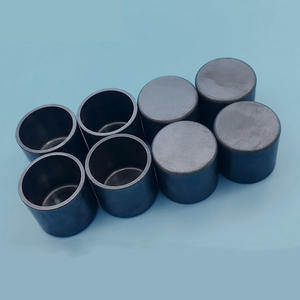
Silicon carbide crucibles are widely used in foundries, laboratories, and metal casting operations due to their ability to withstand temperatures exceeding 1,600°C. Made from sintered or reaction-bonded silicon carbide (RBSiC), these crucibles offer rapid heat transfer, minimal thermal expansion, and strong resistance to molten metals like aluminum, copper, and zinc.
Key advantages include:
- High thermal shock resistance
- Excellent wear and corrosion resistance
- Long service life compared to graphite or clay-graphite alternatives
However, pure silicon carbide can react with certain slags or highly basic melts, limiting its use in some steelmaking applications. That’s where alternative ceramics like alumina (Al2O3) or zirconia (ZrO2) crucibles might be preferred—but often at the cost of thermal conductivity.
3. Silicon Nitride: The Precision Alternative
While less common than silicon carbide, silicon nitride crucibles—produced by specialized manufacturers in the silicon nitride crucible factory network—are gaining traction in high-purity applications. Silicon nitride (Si3N4) offers superior mechanical strength at elevated temperatures and outstanding resistance to thermal shock and chemical attack, especially in non-oxidizing atmospheres.
Silicon nitride ceramic components—such as silicon nitride rings, plates, and custom heat shields—are engineered for precision environments like semiconductor crystal growth or aerospace turbine testing. Unlike silicon carbide, silicon nitride doesn’t conduct electricity, making it ideal for insulating applications. Its downside? Higher production costs and more complex manufacturing via hot pressing or gas pressure sintering.
4. Boron Carbide vs. Silicon Carbide: A Brief Detour
Though not typically used for crucibles, boron carbide vs silicon carbide comparisons often arise in armor and abrasive contexts. Boron carbide (B4C) is harder but more brittle and expensive, while silicon carbide strikes a better balance of hardness, toughness, and cost-effectiveness—making it far more versatile for industrial ceramics like rbsic silicon carbide tile blocks, burner nozzles, and furnace bricks.
5. Beyond Crucibles: The Expanding Universe of Silicon Carbide Ceramics
The utility of silicon carbide extends well beyond melting vessels. From structural to decorative, this advanced ceramic appears in countless forms:
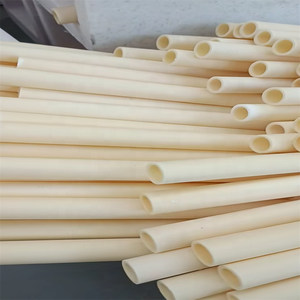
- Silicon carbide ceramic tubes for thermocouple protection and high-temp piping
- Silicon carbide ceramic tiles and bricks for kiln linings
- Silicon carbide ceramic columns and ring seals in pumps and reactors
Even consumer goods have embraced this material. Products like silicon carbide ceramic baking dishes, dinner plates, salad bowls, and butter dishes leverage its thermal stability and aesthetic appeal—often marketed as ‘silicon carbide ceramic dinnerware’ or ‘silicon carbide black ceramic plates.’ Brands like Staub have inspired lookalikes labeled ‘silicon carbide baking dish Staub,’ though true silicon carbide cookware remains niche due to cost.
Industrial plumbing also uses silicon carbide ceramic pipes and disc taps for erosion resistance, while grinding applications rely on silicon carbide diamond grinding discs and sanding discs for precision finishing.
6. Choosing the Right Material: Application Dictates Choice
Selecting between a silicon carbide crucible and a silicon nitride alternative isn’t about which is ‘better’—it’s about matching material properties to process requirements. For high-throughput metal casting, silicon carbide wins on cost and thermal efficiency. For ultra-high-purity or electrically insulating needs, silicon nitride is unmatched.
Other factors include atmosphere (oxidizing vs. inert), melt chemistry, and lifecycle cost. In some cases, hybrid systems use silicon carbide for structural support and silicon nitride for critical contact surfaces.
7. Conclusion
The silicon carbide crucible remains a cornerstone of high-temperature industrial processing, but it exists within a rich landscape of advanced ceramics. As industries push toward higher efficiency, purity, and miniaturization, materials like silicon nitride—and even boron nitride or alumina-zirconia composites—will continue to complement silicon carbide’s dominance. Understanding the nuanced trade-offs between these ceramics ensures optimal performance, safety, and cost-effectiveness across everything from foundry floors to fine dining tables.
Our Website founded on October 17, 2012, is a high-tech enterprise committed to the research and development, production, processing, sales and technical services of ceramic relative materials such as Silicon. Our products includes but not limited to Boron Carbide Ceramic Products, Boron Nitride Ceramic Products, Silicon Carbide Ceramic Products, Silicon Nitride Ceramic Products, Zirconium Dioxide Ceramic Products, etc. If you are interested, please feel free to contact us.
RELATED POSTS
Silicon Carbide Crucibles Are Powering the Future of Space-Grade Metal Alloys
What Makes Silicon Carbide Crucibles Superior for High-Temperature Industrial Applications?
What Makes Silicon Carbide Crucibles Essential in High-Temperature Industrial Applications?
Silicon Carbide Crucibles: The High-Performance Choice for Extreme Heat Applications
7 Essential Facts About Silicon Carbide Crucibles and Their Industrial & Culinary Uses