Professional industry ceramic supplier, silicon nitride, silicon carbide, aluminum nitride and any other kinds of ceramics.

1. Introduction
In a major development just 24 hours ago, researchers at the Fraunhofer Institute announced a breakthrough in sintering techniques that significantly enhances the thermal shock resistance of reaction-bonded silicon carbide (RBSiC) components—directly impacting the durability of silicon carbide crucibles used in semiconductor and metallurgical industries. This innovation reignites interest in how different advanced ceramics stack up under extreme conditions.
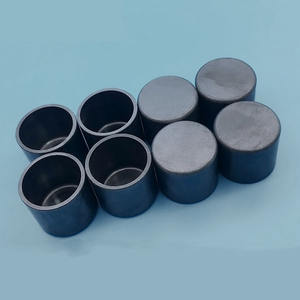
When it comes to high-temperature processing—from melting precious metals to growing silicon crystals—the choice of crucible material is critical. Among the top contenders are silicon carbide crucibles and their counterparts made from silicon nitride or even boron carbide. But which performs best, and where should each be used? Let’s break it down.
2. Understanding Silicon Carbide Crucibles
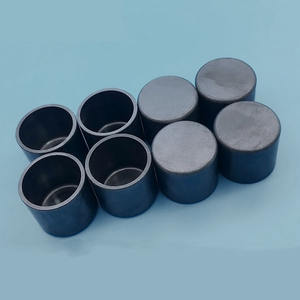
Silicon carbide crucibles are prized for their exceptional hardness, thermal conductivity, and resistance to thermal shock. Made from SiC—a compound of silicon and carbon—they can withstand temperatures exceeding 1600°C while maintaining structural integrity.
These crucibles are commonly used in foundries for non-ferrous metal casting (like aluminum and copper), as well as in labs for high-purity material synthesis. Their high thermal conductivity ensures even heating, reducing hot spots that could compromise sensitive reactions.
2.1. Types of Silicon Carbide Crucibles
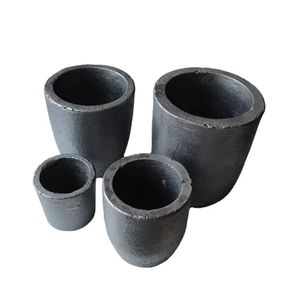
- Reaction-Bonded Silicon Carbide (RBSiC): Offers excellent mechanical strength and is often used in RBSiC silicon carbide tile blocks and crucibles. Cost-effective and widely available.
- Sintered Silicon Carbide (SSiC): Higher purity and density, ideal for corrosive environments and ultra-high-temperature applications.
- Nitride-Bonded Silicon Carbide (NBSiC): Good oxidation resistance, commonly used in kiln furniture and burner nozzles.
3. Silicon Carbide vs. Boron Carbide: A Material Showdown
While both are ultra-hard ceramics, boron carbide (B4C) is lighter and harder than silicon carbide—but significantly more expensive and less thermally conductive. Boron carbide excels in ballistic armor and neutron absorption, but it’s rarely used for crucibles due to poor wettability with molten metals and brittleness at high temps.
In contrast, silicon carbide provides a better balance of cost, machinability, and thermal performance for crucible applications. For most industrial melting processes, silicon carbide remains the go-to choice over boron carbide.
4. The Rise of Silicon Nitride Alternatives
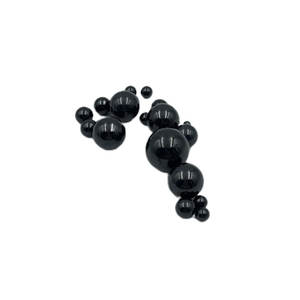
Silicon nitride (Si3N4) is another advanced ceramic gaining traction in high-heat environments. Unlike silicon carbide, silicon nitride offers superior fracture toughness and better resistance to oxidation above 1400°C.
Silicon nitride crucibles—produced by specialized factories—are increasingly used in aerospace and semiconductor manufacturing where minimal contamination is critical. They’re also common in custom silicon nitride heat shields, rings, and plates due to their low thermal expansion.
4.1. Key Differences in Performance
- Thermal Conductivity: Silicon carbide (~120 W/m·K) outperforms silicon nitride (~30 W/m·K), making SiC better for rapid heating/cooling cycles.
- Chemical Inertness: Silicon nitride resists attack from molten aluminum and certain slags better than SiC.
- Cost: Silicon carbide crucibles are generally more affordable and easier to fabricate in complex shapes like silicon carbide ceramic columns or tubes.
5. Beyond Crucibles: Diverse Applications of Silicon Carbide Ceramics
The versatility of silicon carbide extends far beyond crucibles. You’ll find it in:
- Silicon carbide ceramic tiles for wear-resistant linings
- Silicon carbide burner nozzles in industrial furnaces
- Silicon carbide bricks for kiln construction
- Silicon carbide tubes for thermocouple protection and furnace use
- Even consumer goods like silicon carbide ceramic baking dishes, dinner plates, and butter dishes—though these are typically lower-purity variants designed for thermal shock resistance in ovens, not lab-grade performance.
Interestingly, items like silicon carbide ceramic pie dishes or Christmas plates leverage the material’s aesthetic (often black or dark gray) and oven-safe properties, though they shouldn’t be confused with industrial-grade components.
6. Choosing the Right Material for Your Application
Selecting between silicon carbide and silicon nitride depends on your specific needs:
- Need fast heating, high thermal conductivity, and cost efficiency? Go with a silicon carbide crucible.
- Require maximum toughness, oxidation resistance, and ultra-low contamination in semiconductor processing? Consider a silicon nitride crucible from a dedicated silicon nitride crucible factory.
- Working with highly abrasive or neutron-rich environments? Boron carbide might be relevant—but not for standard crucible use.
Also consider form factors: RBSiC silicon carbide tile blocks suit modular furnace designs, while silicon carbide ceramic tubes are ideal for gas flow or sensor protection.
7. Conclusion
Silicon carbide crucibles remain the workhorse of high-temperature industrial processing thanks to their unmatched blend of thermal performance, durability, and affordability. However, silicon nitride is carving out a niche in ultra-high-purity and high-toughness applications. Meanwhile, boron carbide, despite its hardness, plays little role in crucible technology. As sintering innovations continue—like the recent Fraunhofer advance—the line between these advanced ceramics will blur, but understanding their core differences ensures smarter material selection today.
Our Website founded on October 17, 2012, is a high-tech enterprise committed to the research and development, production, processing, sales and technical services of ceramic relative materials such as Silicon. Our products includes but not limited to Boron Carbide Ceramic Products, Boron Nitride Ceramic Products, Silicon Carbide Ceramic Products, Silicon Nitride Ceramic Products, Zirconium Dioxide Ceramic Products, etc. If you are interested, please feel free to contact us.
RELATED POSTS
Silicon Carbide Crucibles: The Backbone of High-Temperature Industrial and Artisanal Ceramics
How to Prevent Cracking and Extend the Life of Your Silicon Carbide Crucible?
5 Key Comparisons That Define the Performance of Silicon Carbide Crucibles in Advanced Ceramics
What Makes Silicon Carbide Crucibles Essential in High-Temperature Industrial Applications?
How to Properly Use and Maintain a Silicon Carbide Crucible: A Step-by-Step Guide