Professional industry ceramic supplier, silicon nitride, silicon carbide, aluminum nitride and any other kinds of ceramics.

1. Introduction
In a major development just 24 hours ago, leading semiconductor equipment manufacturer Applied Materials announced a strategic partnership with a specialty ceramics supplier to scale production of high-purity silicon carbide crucibles for advanced wafer fabrication. This move underscores a growing bottleneck in the global supply chain: the need for thermally stable, chemically inert containers capable of withstanding extreme conditions during crystal growth. Enter the silicon carbide crucible—a seemingly simple vessel that’s quietly enabling breakthroughs in everything from electric vehicles to quantum computing.

While most people associate silicon carbide with abrasives or car brakes, its application in high-temperature industrial processes—especially crystal pulling—is where it truly shines. In this article, we’ll dive into how silicon carbide crucibles are revolutionizing semiconductor manufacturing and why they’re preferred over other advanced ceramics like alumina (Al2O3), zirconia, or even silicon nitride.
2. The Demanding World of Semiconductor Crystal Growth
2.1. Why Purity and Stability Matter
Growing single-crystal semiconductors—like monocrystalline silicon for solar cells or gallium arsenide (GaAs) for RF chips—requires melting raw materials at temperatures exceeding 1,500°C in an oxygen-controlled environment. Any contamination from the crucible can ruin an entire batch, costing thousands of dollars. That’s why the choice of crucible material is mission-critical.
Silicon carbide crucibles excel here due to their exceptional thermal conductivity, low thermal expansion, and remarkable chemical inertness. Unlike alumina crucibles, which can leach aluminum ions into molten silicon, or zirconia crucibles that may introduce oxygen impurities, silicon carbide maintains structural integrity while minimizing unwanted reactions.
2.2. Boron Carbide vs Silicon Carbide: A Material Showdown
Some engineers wonder: could boron carbide (B4C) be a better alternative? After all, it’s harder and has a higher melting point. But boron carbide is far more expensive, difficult to machine, and prone to oxidation above 800°C in air—making it unsuitable for many crystal growth atmospheres. In contrast, silicon carbide remains stable up to 1,600°C in inert or reducing environments, striking the ideal balance between performance, cost, and manufacturability.
3. Beyond the Crucible: Complementary Silicon Carbide Components
The ecosystem around crystal growth furnaces relies heavily on other silicon carbide-based parts. For instance, silicon carbide ceramic tubes serve as thermocouple protection sheaths and furnace liners, while silicon carbide burner nozzles ensure precise flame control in pre-heating zones. Even silicon carbide ceramic columns and rbsic silicon carbide tile blocks are used to support heavy loads inside high-temperature chambers without warping.
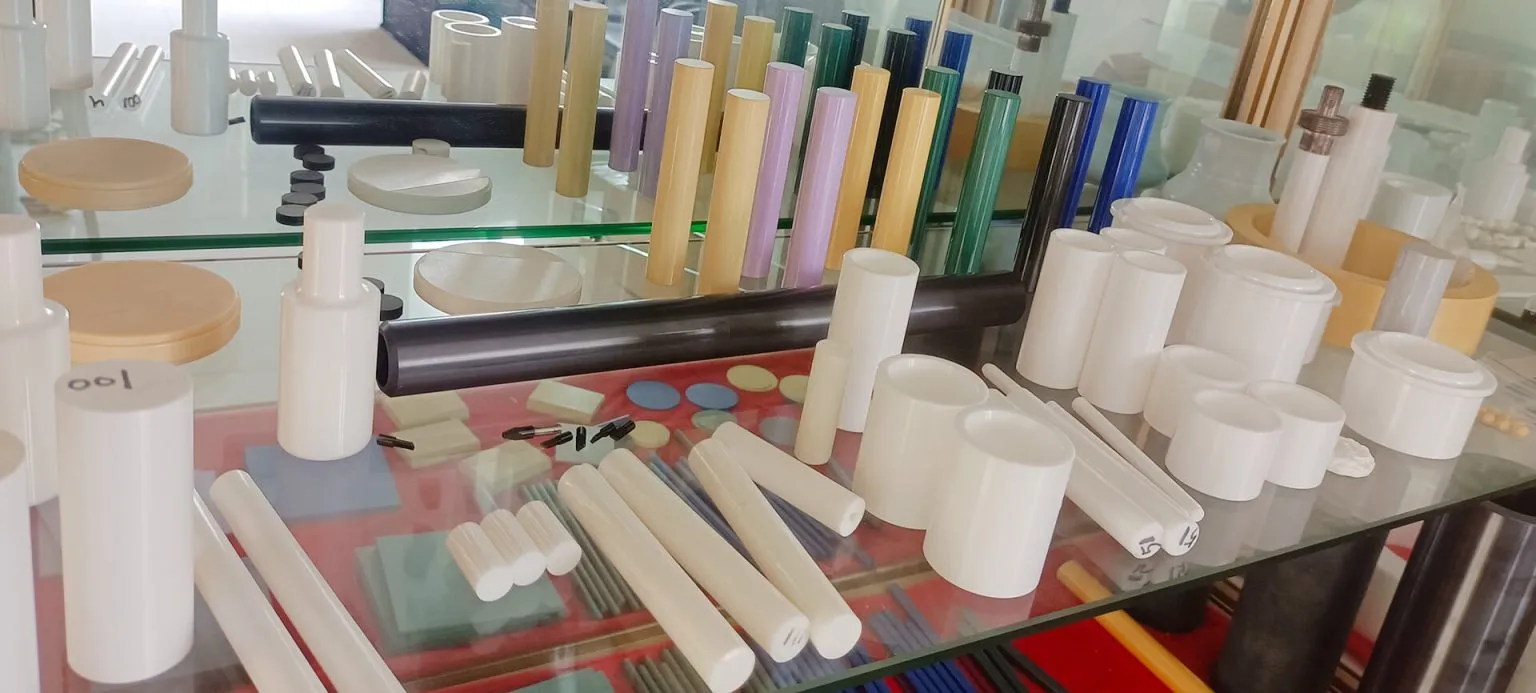
Interestingly, some manufacturers also use silicon carbide discs and silicon carbide ceramic grinding discs for post-processing wafers, though these are distinct from the crucible function. The versatility of silicon carbide across the production line highlights its status as a cornerstone of advanced ceramics manufacturing.
4. When Silicon Nitride Steps In—And Why It Doesn’t Replace Silicon Carbide
You might ask: what about silicon nitride? Silicon nitride ceramic components—like silicon nitride rings, plates, or custom heat shields—are prized for their fracture toughness and thermal shock resistance. Some labs even experiment with silicon nitride crucibles for specific applications. However, silicon nitride begins to decompose above 1,400°C in vacuum or nitrogen-poor atmospheres, limiting its use in high-temperature crystal pulling.
Moreover, while a silicon nitride crucible factory might produce lab-scale vessels, scaling to industrial volumes remains challenging due to sintering complexities and cost. High purity silicon nitride powder market prices are significantly higher than those for silicon carbide, making the latter more practical for large-diameter crucibles used in commercial foundries.
5. Real-World Impact: From EVs to AI Chips
The surge in demand for silicon carbide crucibles isn’t theoretical. With the global push toward wide-bandgap semiconductors—used in Tesla inverters, 5G base stations, and AI accelerators—foundries are running at full capacity. Each silicon carbide crucible may only last 10–20 growth cycles before microcracks develop, creating recurring demand.
This has spurred innovation in crucible design, including reinforced geometries and hybrid coatings to extend service life. Meanwhile, companies are exploring reuse strategies and recycling programs to manage costs and environmental impact.
6. Conclusion
The silicon carbide crucible may look like a humble ceramic pot, but it’s a linchpin in the high-tech supply chain. Its unique blend of thermal stability, chemical resistance, and mechanical strength makes it irreplaceable in advanced semiconductor crystal growth—outperforming alternatives like alumina, zirconia, and even silicon nitride in this exacting niche. As chipmakers race to build smaller, faster, and more efficient devices, the quiet reliability of the silicon carbide crucible will remain indispensable.
Our Website founded on October 17, 2012, is a high-tech enterprise committed to the research and development, production, processing, sales and technical services of ceramic relative materials such as Why. Our products includes but not limited to Boron Carbide Ceramic Products, Boron Nitride Ceramic Products, Silicon Carbide Ceramic Products, Silicon Nitride Ceramic Products, Zirconium Dioxide Ceramic Products, etc. If you are interested, please feel free to contact us.
RELATED POSTS

What Is a Silicon Carbide Crucible—and Why Is Everyone Suddenly Obsessed With It?
5 Key Comparisons That Define the Performance of Silicon Carbide Crucibles in Modern Industry
How to Properly Use and Maintain a Silicon Carbide Crucible: A Step-by-Step Guide
How to Properly Use and Maintain a Silicon Carbide Crucible: A Step-by-Step Guide
Silicon Carbide Crucibles: The Backbone of High-Temperature Industrial and Artisan Applications