Professional industry ceramic supplier, silicon nitride, silicon carbide, aluminum nitride and any other kinds of ceramics.

PRODUCT PARAMETERS
Description
Overview of Factory Vacuum insulation panel/aerogel insulation for building materials
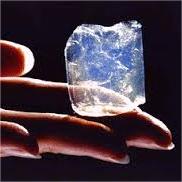
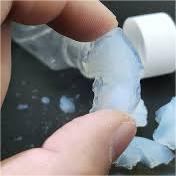
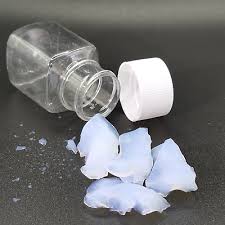
Factory Vacuum insulation panel/aerogel insulation for building materials is a synthetic porous ultralight material derived from a gel, in which the liquid component has been replaced with a gas. The result is a solid with extremely low density and low thermal conductivity, often nicknamed “frozen smoke.” Despite its fragile appearance, it can be engineered to be remarkably strong, holding the title of the world’s best insulating solid material.
Features of Factory Vacuum insulation panel/aerogel insulation for building materials
-
World’s Lowest Thermal Conductivity: Provides unparalleled insulation performance, far superior to traditional materials.
-
Extremely Low Density: One of the lightest solid materials known to man, with a composition of up to 99.8% air.
-
High Surface Area: Possesses an incredibly large internal surface area, making it valuable for filtration and absorption applications.
-
Versatile Composition: Can be made from various materials, including silica, carbon, and metal oxides, each with unique properties.
-
Exceptional Porosity: Its nanoporous structure is responsible for its outstanding insulating capabilities.
Specifications of Factory Vacuum insulation panel/aerogel insulation for building materials
These factory-made insulation solutions tackle energy loss in buildings where space is tight. Vacuum insulation panels (VIPs) offer top-notch thermal resistance in a thin package. The core material traps heat inside a sealed vacuum. This setup stops heat transfer very effectively. VIPs achieve remarkably high R-values per inch of thickness. They are significantly thinner than traditional insulation like fiberglass. This thin profile saves valuable space in walls, roofs, and floors. VIPs are especially useful in renovations where adding thick insulation is hard. They help meet strict energy codes without major structural changes. Handle VIPs carefully during installation. Puncturing the panel ruins the vacuum and its insulation power.
Aerogel insulation provides another high-performance option. It is a solid material filled with countless tiny air pockets. These pockets greatly slow down heat movement. Aerogel is naturally highly insulating. It does not rely on a vacuum seal like VIPs. This makes it generally more durable and easier to handle. Aerogel sheets are also very thin and lightweight. They offer excellent thermal performance per inch. Aerogel can handle higher temperatures than VIPs. It fits well in various building envelope applications. Cutting aerogel produces dust. Workers need masks and gloves. Both VIPs and aerogel resist moisture well. They prevent condensation inside walls.
VIPs and aerogel both offer superior insulation in minimal space. VIPs typically provide the absolute highest R-value per inch. Aerogel is usually thicker than VIPs for the same R-value. Aerogel might be more cost-effective in some cases. VIPs require careful handling to protect the vacuum seal. Aerogel is generally more robust for construction sites. The choice depends on budget, application needs, and required R-value. Install them correctly onto the building substrate. Seal all joints thoroughly to prevent thermal bridging. These panels significantly improve a building’s thermal efficiency. They lead to lower heating and cooling bills.
Applications of Factory Vacuum insulation panel/aerogel insulation for building materials
Factory vacuum insulation panels and aerogel insulation offer powerful solutions for saving energy in buildings. These materials are very thin yet offer extremely high thermal resistance. They work by drastically reducing heat flow. This makes them perfect for situations where space is tight. Traditional bulky insulation often requires thick layers to achieve good performance. These advanced materials provide the same or better insulation in a fraction of the space. You see them used behind interior wall finishes. They fit easily without making rooms smaller. Builders use them inside structural panels. This creates walls that are both strong and super-insulated. Roofing applications benefit greatly. Adding thin layers of these materials significantly boosts the R-value of the roof assembly. This helps keep buildings cooler in summer and warmer in winter. Window installations are another key area. Aerogel granules or vacuum panels can be placed in window frames. This stops heat loss through the frame itself. It improves overall window efficiency. Pipe insulation is crucial too. Factory vacuum insulation panels wrap tightly around pipes. This prevents heat loss from hot water pipes. It also stops condensation forming on cold pipes. Aerogel insulation blankets work well here also. They are flexible and handle complex shapes easily. These materials help buildings use less energy. They reduce heating and cooling costs significantly. Their thin profile allows for more design freedom. Architects appreciate this flexibility. Builders value the ease of installation. Property owners enjoy lower utility bills. These are the main applications today.

Company Profile
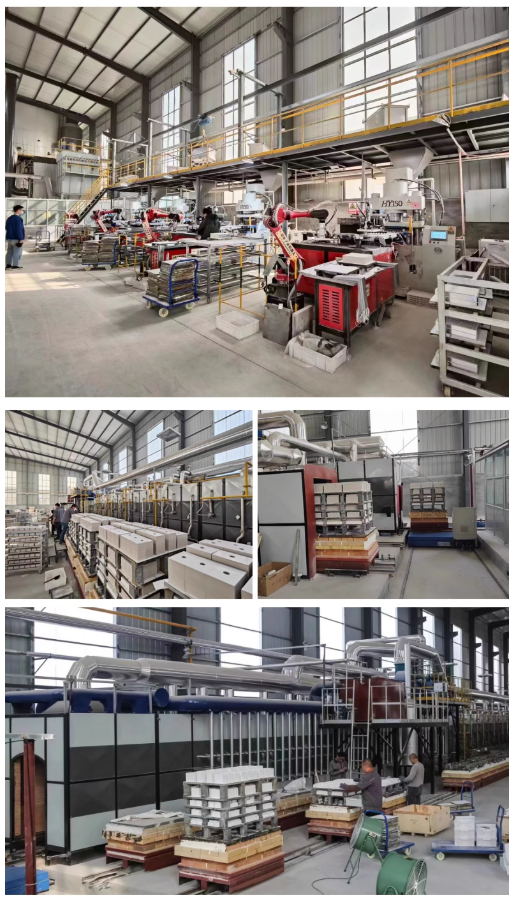
Tanki New Materials Co.Ltd. focus on the research and development, production and sales of ceramic products, serving the electronics, ceramics, chemical and other industries. Since its establishment in 2015, the company has been committed to providing customers with the best products and services, and has become a leader in the industry through continuous technological innovation and strict quality management.
Our products includes but not limited to Aerogel, Aluminum Nitride, Aluminum Oxide, Boron Carbide, Boron Nitride, Ceramic Crucible, Ceramic Fiber, Quartz Product, Refractory Material, Silicon Carbide, Silicon Nitride, ect. please feel free to contact us.
Payment Methods
T/T, Western Union, Paypal, Credit Card etc.
Shipment Methods
By air, by sea, by express, as customers request.
5 FAQs of Factory Vacuum insulation panel/aerogel insulation for building materials
Factory vacuum insulation panels and aerogel insulation offer great thermal performance for buildings. People often have questions. Here are five common ones answered simply.
How well do these panels insulate? They work very well. The vacuum inside the panels stops heat moving through conduction and convection. Aerogel has a structure with lots of tiny pores. This structure traps air and slows heat transfer. These materials often outperform traditional insulation like fiberglass or foam boards. You might need thinner layers to get the same warmth.
Do they handle moisture? Moisture matters a lot. Vacuum panels have a protective outer layer. This layer keeps the vacuum sealed and blocks moisture. Aerogel usually repels water. Water does not easily soak into it. This helps prevent mold growth and keeps the insulation working properly. Good installation prevents leaks too.
How are they installed? Installation needs care. Vacuum panels are fragile. They can break easily if hit or bent. Aerogel is stronger but still requires careful handling. Cutting these panels on-site is difficult. It is best to measure accurately and order pre-cut sizes. Installers must follow the manufacturer’s instructions closely. This ensures the best performance.
How long do they last? They last a long time if installed correctly. The vacuum inside the panels might weaken slightly over many years. This is normal and expected. Aerogel stays stable for a long time. Both types resist fire well. They do not rot or attract pests. Proper installation protects them from physical damage. They should last the life of the building.
Are they expensive? Yes, they cost more upfront than basic insulation. Vacuum panels and aerogel are premium products. The high insulation value means you might use less material. This can save space in walls or roofs. The energy savings over many years can help offset the initial price. Think about the long-term benefits.
REQUEST A QUOTE
RELATED PRODUCTS
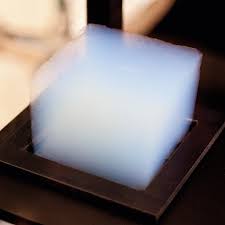
Soundproof Insulation silica aerogelbased insulating aerogel mineralwool insulation blanket
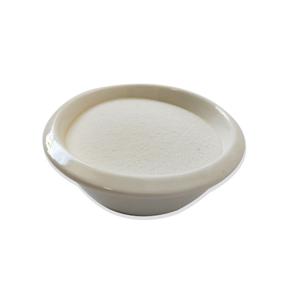
revolutionary thermal insulation 20mm composite silica aerogel panel for building applications
Nano Aerogel Thermal Insulation 10mm 20mm Silica Aerogel Board Sheet Graphene Aerogel Construction For
Qualified high strength silica aerogel fabric fiberglass cloth and resin chunky yarn fiberglass for filtering cloth
3mm white Aerogel Airgel insulation Sheet for congested and crowded areas