Professional industry ceramic supplier, silicon nitride, silicon carbide, aluminum nitride and any other kinds of ceramics.

PRODUCT PARAMETERS
Description
Overview of Graphene aerogel graphitization induction heat treatment vacuum lab furnace
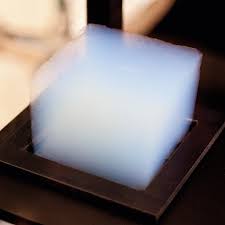
Graphene aerogel graphitization induction heat treatment vacuum lab furnace is a synthetic porous ultralight material derived from a gel, in which the liquid component has been replaced with a gas. The result is a solid with extremely low density and low thermal conductivity, often nicknamed “frozen smoke.” Despite its fragile appearance, it can be engineered to be remarkably strong, holding the title of the world’s best insulating solid material.
Features of Graphene aerogel graphitization induction heat treatment vacuum lab furnace
-
World’s Lowest Thermal Conductivity: Provides unparalleled insulation performance, far superior to traditional materials.
-
Extremely Low Density: One of the lightest solid materials known to man, with a composition of up to 99.8% air.
-
High Surface Area: Possesses an incredibly large internal surface area, making it valuable for filtration and absorption applications.
-
Versatile Composition: Can be made from various materials, including silica, carbon, and metal oxides, each with unique properties.
-
Exceptional Porosity: Its nanoporous structure is responsible for its outstanding insulating capabilities.
Specifications of Graphene aerogel graphitization induction heat treatment vacuum lab furnace
This lab heater manages severe warm required for graphene work. It strikes 3000 ° C. That’s important for making graphene aerogels. It makes use of induction heating. This approach heats things directly and quickly. It works inside a vacuum cleaner. The vacuum is strong. It decreases to 10 ^ -4 Pa. This stops air from wrecking the materials. The chamber within is big sufficient for samples. It holds examples approximately 100mm in diameter. Cooling occurs promptly after heating. Water cools down the system fast. This protects the furnace parts. It likewise conserves time in between experiments. You regulate whatever from a panel. The panel is easy to use. It lets you established exact temperature level courses. You program the precise home heating steps you require. Safety attributes are constructed in. These quit overheating. They likewise take care of vacuum problems. The heating system is difficult. It handles heats regularly. It works well for graphene aerogel graphitization. This process needs regulated high warmth. The vacuum cleaner keeps everything clean. Induction heating offers quick, also results. This heating system delivers consistent performance. It is reliable for study laboratories. It suits requiring warm treatment tasks.
Applications of Graphene aerogel graphitization induction heat treatment vacuum lab furnace
This vacuum cleaner lab furnace makes use of induction home heating. It’s developed for graphitizing graphene aerogels. This procedure is key for enhancing their efficiency. The heater heats products extremely quick. It does this using effective electromagnetic fields. This creates high temperatures promptly. The vacuum environment inside is necessary. It quits undesirable chain reaction. It protects against contamination also. The sealed chamber keeps air out. This shields the product. The heating system regulates temperature level precisely. This precision is important for graphitization. It makes certain consistent outcomes every single time. Induction heating uses a number of benefits. It heats materials straight and successfully. There’s less heat wasted. The procedure is much faster. It saves energy and time. Graphene aerogels need controlled home heating. They need certain conditions to graphitize. This heating system offers precisely that. It aids change the aerogel structure. The result is a much more bought carbon lattice. This boosts electrical conductivity significantly. It boosts thermal conductivity as well. The product becomes much more powerful mechanically. The heating system deals with various sample sizes well. It fits tiny research study sets. Scientists can examine numerous heating profiles. They can check out various annealing times. This aids optimize the graphitization procedure. Locating the very best settings is easier. The system is trusted for repeated usage. It supplies stable efficiency run after run. This is critical for scientific work. Constant results develop confidence in the searchings for. The heater layout focuses on user safety. Safety features are integrated. Operators can monitor the process conveniently. They make use of the control panel for adjustments. The user interface is simple to utilize. Finding out the system doesn’t take long. This heater is an effective tool. It supports innovative products study. Scientists research graphene aerogel properties here. They create new applications using it. The induction warm treatment is central.

Company Profile
Tanki New Materials Co.Ltd. focus on the research and development, production and sales of ceramic products, serving the electronics, ceramics, chemical and other industries. Since its establishment in 2015, the company has been committed to providing customers with the best products and services, and has become a leader in the industry through continuous technological innovation and strict quality management.
Our products includes but not limited to Aerogel, Aluminum Nitride, Aluminum Oxide, Boron Carbide, Boron Nitride, Ceramic Crucible, Ceramic Fiber, Quartz Product, Refractory Material, Silicon Carbide, Silicon Nitride, ect. please feel free to contact us.

Payment Methods
T/T, Western Union, Paypal, Credit Card etc.
Shipment Methods
By air, by sea, by express, as customers request.
5 FAQs of Graphene aerogel graphitization induction heat treatment vacuum lab furnace
This furnace helps researchers improve graphene aerogels. It uses high heat and a vacuum environment. This process is called graphitization induction heat treatment. It makes the aerogel’s carbon structure more orderly. That improves its strength and electrical properties.
Why is a vacuum needed inside the furnace?
A vacuum is essential. It removes air and other gases. Oxygen in the air would burn the carbon in the aerogel at high temperatures. A vacuum prevents this oxidation. It also stops unwanted chemical reactions. This keeps the aerogel pure and undamaged.
How hot does it get, and how is it controlled?
The furnace reaches very high temperatures. It can heat materials up to 3000 degrees Celsius. Precise temperature control is critical. It uses advanced sensors and software. This ensures the heat rises steadily. It holds the exact target temperature reliably. This accuracy is vital for consistent results.
What is induction heating, and why use it?
Induction heating uses magnetic fields. These fields generate heat directly inside the material itself. It heats the sample quickly and evenly. It doesn’t rely on hot furnace walls heating the air. This method is efficient. It allows for rapid heating and cooling cycles. It gives researchers better control.
Is the furnace safe for delicate graphene aerogels?
Yes, the furnace design protects the aerogels. The vacuum environment is key. It prevents damage from air. Gentle heating profiles can be programmed. This avoids thermal shock. The induction heating method also minimizes stress. The aerogel samples stay intact throughout the process.
REQUEST A QUOTE
RELATED PRODUCTS
Nanoparticles heat insulation material Building Insulation walls aerogel Fireproof soundproof Aerogel Insulation Panel
Top quality paneles aerogel insulation panels for

high temperature kiln pipline equipment thermal insulation ceramic fiber paper aerogel base 1260 ceramic fibre paper
aerogel insulation aluminum foil pef foam other heat insulation material with adhesive self seal glue
New Energy Car Battery Thermal Silicone Insulation Aerogel Pad