Professional industry ceramic supplier, silicon nitride, silicon carbide, aluminum nitride and any other kinds of ceramics.

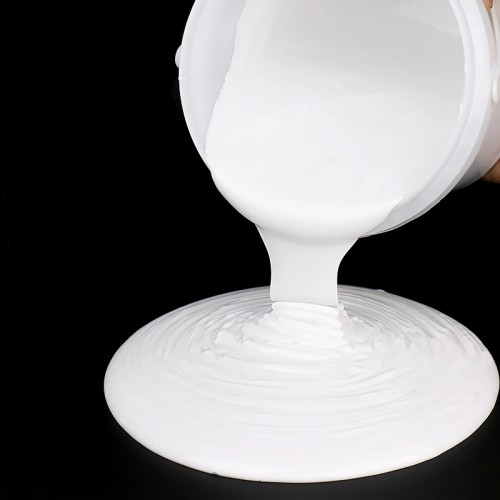
PRODUCT PARAMETERS
Description
Overview of Low Thermal Conductivity Hydrophobic Aerogel Powder as Aerogel Insulating Plaster Additives
Low Thermal Conductivity Hydrophobic Aerogel Powder as Aerogel Insulating Plaster Additives is a synthetic porous ultralight material derived from a gel, in which the liquid component has been replaced with a gas. The result is a solid with extremely low density and low thermal conductivity, often nicknamed “frozen smoke.” Despite its fragile appearance, it can be engineered to be remarkably strong, holding the title of the world’s best insulating solid material.
Features of Low Thermal Conductivity Hydrophobic Aerogel Powder as Aerogel Insulating Plaster Additives
-
World’s Lowest Thermal Conductivity: Provides unparalleled insulation performance, far superior to traditional materials.
-
Extremely Low Density: One of the lightest solid materials known to man, with a composition of up to 99.8% air.
-
High Surface Area: Possesses an incredibly large internal surface area, making it valuable for filtration and absorption applications.
-
Versatile Composition: Can be made from various materials, including silica, carbon, and metal oxides, each with unique properties.
-
Exceptional Porosity: Its nanoporous structure is responsible for its outstanding insulating capabilities.
Specifications of Low Thermal Conductivity Hydrophobic Aerogel Powder as Aerogel Insulating Plaster Additives
This hydrophobic aerogel powder is designed for mixing into plaster. It makes the plaster much better at blocking heat. The powder itself has very low thermal conductivity. This means heat struggles to pass through it. Adding it to plaster gives the plaster these excellent insulating properties. The powder particles are super small. They are typically between 1 millimeter and 3 millimeters in size. This small size helps them spread evenly through the wet plaster mix. It prevents lumps from forming. You need a consistent mix for good insulation. This aerogel powder also repels water strongly. This hydrophobic nature is crucial. It stops the powder from soaking up moisture when mixed with water-based plaster. Moisture absorption would ruin the powder’s insulating power. It could also cause the plaster to crack later. The powder stays dry inside the plaster. This protects its low thermal conductivity. You add this powder directly into the plaster mixture before applying it. The amount you add depends on the insulation level you need. Typical addition rates range from 5% to 20% by volume. Higher amounts give better insulation. Mixing thoroughly is essential. You must ensure the powder is fully dispersed. Good mixing guarantees the plaster has uniform insulating qualities across the entire surface. The powder is lightweight. Adding it doesn’t make the plaster significantly heavier. Applying the aerogel-enhanced plaster is similar to regular plaster. You can trowel or spray it onto walls, ceilings, or other structures. Once dry, the plaster provides a continuous thermal barrier. It significantly cuts down heat loss. This helps buildings use less energy for heating and cooling. The result is lower energy bills. The plaster itself looks and acts like normal plaster. The insulation is hidden within the material. This is useful for renovations. You can insulate without changing the building’s appearance. Using this powder creates high-performance insulating plaster.
Applications of Low Thermal Conductivity Hydrophobic Aerogel Powder as Aerogel Insulating Plaster Additives
This hydrophobic aerogel powder is made for mixing into plaster. It makes regular plaster much better at keeping heat in. Aerogel itself is mostly air trapped in a solid structure. Heat doesn’t pass through it easily. Adding this special powder to plaster creates a high-performance insulating layer.
The powder doesn’t absorb water. This is key. Plaster often gets wet. Normal aerogel might soak up moisture and lose its insulating power. Our powder stays dry. It keeps working well even in damp conditions. You get consistent thermal performance.
Builders use this modified plaster like regular plaster. They apply it to walls, ceilings, or other surfaces. The plaster mix holds the aerogel powder evenly. This forms a seamless insulating barrier. It stops heat escaping from inside a building. It also stops too much heat getting in from outside. This saves energy year-round.
Adding aerogel powder doesn’t make the plaster hard to work with. The mix stays smooth and spreads well. Builders don’t need special skills or tools. They just mix it in and apply it. The finished plaster looks good. It can be painted or finished like normal plaster.
This aerogel-enhanced plaster offers strong insulation without thick layers. You don’t need bulky materials to achieve good thermal resistance. It helps buildings save energy. It keeps indoor temperatures comfortable. It protects against moisture problems.

Company Profile
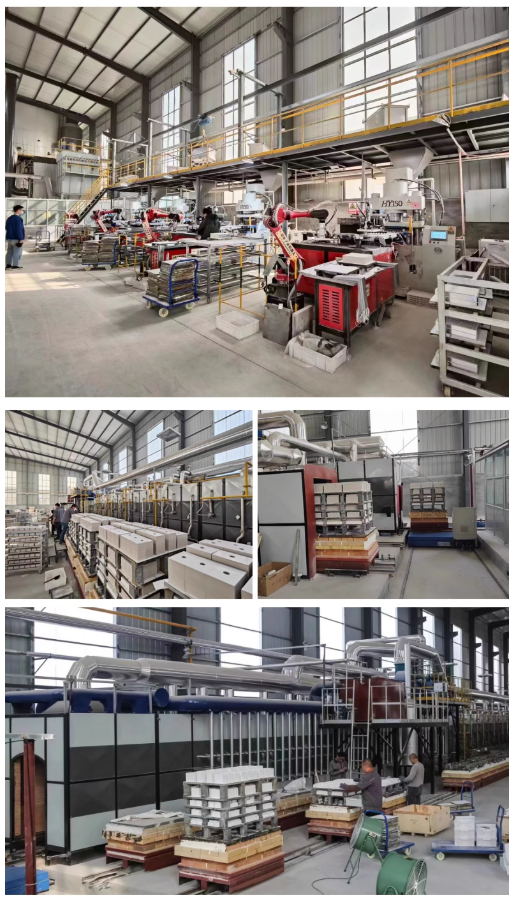
Tanki New Materials Co.Ltd. focus on the research and development, production and sales of ceramic products, serving the electronics, ceramics, chemical and other industries. Since its establishment in 2015, the company has been committed to providing customers with the best products and services, and has become a leader in the industry through continuous technological innovation and strict quality management.
Our products includes but not limited to Aerogel, Aluminum Nitride, Aluminum Oxide, Boron Carbide, Boron Nitride, Ceramic Crucible, Ceramic Fiber, Quartz Product, Refractory Material, Silicon Carbide, Silicon Nitride, ect. please feel free to contact us.
Payment Methods
T/T, Western Union, Paypal, Credit Card etc.
Shipment Methods
By air, by sea, by express, as customers request.
5 FAQs of Low Thermal Conductivity Hydrophobic Aerogel Powder as Aerogel Insulating Plaster Additives
What is this aerogel powder?
This aerogel powder is a special material. It’s made mostly of silica. It has very tiny pores filled with air. This structure makes it great at blocking heat. It also repels water strongly. It’s designed to mix into plasters and renders.
Why add this powder to plaster?
Adding this powder boosts the plaster’s insulation power significantly. Regular plasters don’t stop heat well. This powder changes that. It makes the plaster much better at keeping heat in or out. You get improved thermal performance without thick insulation layers. It integrates smoothly into standard plaster mixes.
How well does it insulate?
The insulation is excellent. The powder itself has extremely low thermal conductivity. This means heat struggles to pass through it. When mixed into plaster, it creates a barrier against heat flow. Your walls stay warmer in winter and cooler in summer. It cuts down heat loss effectively.
Does it handle moisture?
Yes, it handles moisture well. The powder is hydrophobic. This means it actively pushes water away. Water beads up on its surface instead of soaking in. Adding it to plaster helps the finished surface resist rain and damp. It protects the wall structure underneath.
Are there handling concerns?
Handle it carefully. The powder is very fine and light. It can float in the air easily. Always wear a proper mask and gloves when working with it. This prevents breathing it in or skin irritation. Follow standard safety steps for fine powders. Mix it thoroughly into wet plaster for best results.
REQUEST A QUOTE
RELATED PRODUCTS

Outstanding Quality Insulated blanket heat insulation materials aerogel Nano felt
10mm Exterior Decorative Panel Fiber Cement Boards AEROGEL sandwich panel for Building Material

Heat Insulation Material Aerogel Thermal Insulating Blanket for Heating Furnace
Whole Thermal Insulation Raw Silica Aerogel Powder With Cheap
glass wool blanket glass wool roll fiberglass wool aerogel insulation materials