Professional industry ceramic supplier, silicon nitride, silicon carbide, aluminum nitride and any other kinds of ceramics.

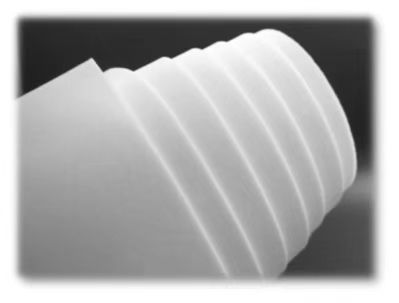
PRODUCT PARAMETERS
Description
Overview of Silica Aerogel Blocks Particle Sample, Frozen Smoke Aerogel Cube for School Laboratory and Science
Silica Aerogel Blocks Particle Sample, Frozen Smoke Aerogel Cube for School Laboratory and Science is a synthetic porous ultralight material derived from a gel, in which the liquid component has been replaced with a gas. The result is a solid with extremely low density and low thermal conductivity, often nicknamed “frozen smoke.” Despite its fragile appearance, it can be engineered to be remarkably strong, holding the title of the world’s best insulating solid material.
Features of Silica Aerogel Blocks Particle Sample, Frozen Smoke Aerogel Cube for School Laboratory and Science
-
World’s Lowest Thermal Conductivity: Provides unparalleled insulation performance, far superior to traditional materials.
-
Extremely Low Density: One of the lightest solid materials known to man, with a composition of up to 99.8% air.
-
High Surface Area: Possesses an incredibly large internal surface area, making it valuable for filtration and absorption applications.
-
Versatile Composition: Can be made from various materials, including silica, carbon, and metal oxides, each with unique properties.
-
Exceptional Porosity: Its nanoporous structure is responsible for its outstanding insulating capabilities.
Specifications of Silica Aerogel Blocks Particle Sample, Frozen Smoke Aerogel Cube for School Laboratory and Science
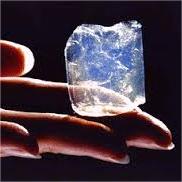
These silica aerogel blocks are fascinating science samples. People call them “frozen smoke.” They look like solid smoke. These blocks feel incredibly light. They are almost weightless in your hand. This lightness comes from their structure. Aerogels are mostly air, about 95% or more. The solid part is a web of tiny silica particles. This web is extremely porous. The pores are nanometer-sized. This unique structure gives aerogel amazing properties. It is one of the best insulating materials known. It stops heat transfer very effectively. You can hold one end. You can heat the other end. Your hand feels almost no warmth. This makes it perfect for thermal insulation demos. The blocks are usually translucent. Sometimes they appear slightly blue. This is due to light scattering in the tiny structures. Aerogel feels dry and rigid. It is not soft or squishy. It is brittle, so handle it carefully. Avoid dropping it or applying strong pressure. Aerogel is safe for school use. It is non-toxic. It is chemically stable. These blocks are great for hands-on learning. Students see advanced materials science firsthand. They explore concepts like density and thermal conductivity. Aerogel makes abstract ideas tangible. Seeing is believing. Teachers can demonstrate material properties clearly. Students get excited about science. These samples spark curiosity. Aerogel connects classroom lessons to real-world technology.
Applications of Silica Aerogel Blocks Particle Sample, Frozen Smoke Aerogel Cube for School Laboratory and Science
Silica aerogel blocks look amazing. People call them frozen smoke. This material feels incredibly light. It looks solid but holds mostly air. Students find this interesting. They can see through the material. Light passes through it easily. Teachers use these blocks in science classes. They demonstrate unique properties.
The blocks feel cold to the touch. They are fantastic thermal insulators. Heat struggles to move through them. Students test this. They place a block between a heat source and their hand. They feel very little heat transfer. This shows how well it stops heat.
Silica aerogel also feels fragile. Students learn to handle it carefully. It requires gentle treatment. This teaches respect for delicate scientific materials. The aerogel feels dry. It repels water completely. Water droplets sit on its surface. This shows its hydrophobic nature. Students see this clearly.
Its structure feels like a sponge. It has a huge internal surface area. This makes it useful for absorbing liquids. Students can experiment with small spills. They see how it soaks things up. The material feels very porous. Air fills most of its volume.
Schools use silica aerogel blocks for labs. They help students understand materials science. Students learn about density and insulation. They see nanotechnology in action. These blocks spark curiosity. They make science feel real and exciting. Teachers appreciate their educational value. Students remember the lessons well.

Company Profile
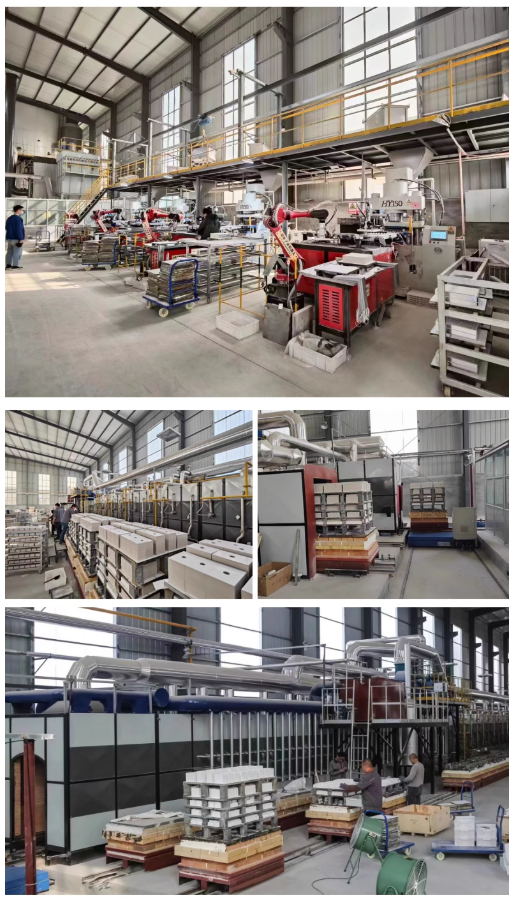
Tanki New Materials Co.Ltd. focus on the research and development, production and sales of ceramic products, serving the electronics, ceramics, chemical and other industries. Since its establishment in 2015, the company has been committed to providing customers with the best products and services, and has become a leader in the industry through continuous technological innovation and strict quality management.
Our products includes but not limited to Aerogel, Aluminum Nitride, Aluminum Oxide, Boron Carbide, Boron Nitride, Ceramic Crucible, Ceramic Fiber, Quartz Product, Refractory Material, Silicon Carbide, Silicon Nitride, ect. please feel free to contact us.
Payment Methods
T/T, Western Union, Paypal, Credit Card etc.
Shipment Methods
By air, by sea, by express, as customers request.
5 FAQs of Silica Aerogel Blocks Particle Sample, Frozen Smoke Aerogel Cube for School Laboratory and Science
What exactly is silica aerogel? Silica aerogel is a special solid material. It looks like frozen smoke. It feels very light. It is mostly air trapped in a silica structure. This makes it an excellent insulator. Schools use small blocks for science lessons.
Is it safe for students to handle? Yes, students can handle it safely. The material is non-toxic. It feels dry and cool. Handle the blocks gently. They are fragile. Avoid pressing too hard. Avoid dropping them. Small pieces might break off. This is normal. It won’t harm skin.
Why is silica aerogel such a good insulator? The structure holds a lot of air. Air itself is a poor heat conductor. Trapped air stops heat moving well. Heat cannot pass through easily. This is why it insulates so effectively. You can see this in demonstrations.
What experiments can we do with it? Students can test its insulating power. Place a block between a heat source and a thermometer. Notice the slow temperature change. Compare it to other materials. Feel how light it is. Observe its translucent look. Discuss its unique structure. These are common activities.
Where do we get silica aerogel blocks for school? Science suppliers sell these samples. Look for small cubes. They are perfect for labs. The blocks are ready to use. They need no special setup. They last a long time. Store them in a safe place. Avoid crushing them.
REQUEST A QUOTE
RELATED PRODUCTS
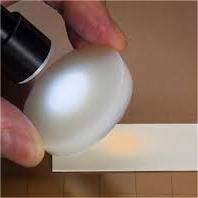
QNS0425RA 100%P aerogel waterproof thermal insulation fabric far infrared thermal storage Antibacterial
aerogel insulation aluminum foil pef foam other heat insulation material with adhesive self seal glue
EV Battery Thermal Insulation Silica Aerogel Padding Aerogel
Manufacture Whole Workshop Thermal Insulation Aerogel Cooling Coating Paint for Roof and Wall
Silica Aerogel Thermal Insulation Board Products Aerogel Blanket For Walling Roofing floor heat resistant