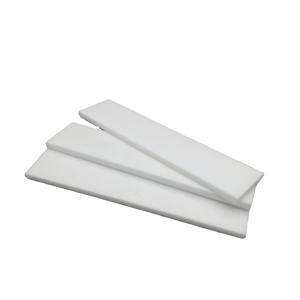
Professional industry ceramic supplier, silicon nitride, silicon carbide, aluminum nitride and any other kinds of ceramics.

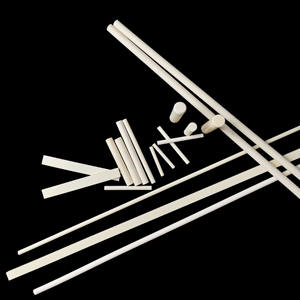
PRODUCT PARAMETERS
Description
Overview of Aluminum Oxide Ceramic Mosaic Tile as Pulley Lagging Ceramics
Aluminum Oxide Ceramic Mosaic Tile as Pulley Lagging Ceramics are one of the most widely used and versatile technical ceramics, prized for their excellent combination of properties. Composed primarily of aluminum oxide (Al₂O₃), they offer outstanding hardness, wear resistance, and electrical insulation, even at high temperatures. From low-purity grades for general industrial use to high-purity compositions for demanding applications, alumina ceramics provide a cost-effective and reliable solution across a vast range of industries.
Features of Aluminum Oxide Ceramic Mosaic Tile as Pulley Lagging Ceramics
-
High Hardness & Wear Resistance: Excellent resistance to abrasive wear, making it ideal for liners, nozzles, and guides.
-
Superior Electrical Insulation: Maintains high electrical resistivity and dielectric strength, even at elevated temperatures.
-
Excellent Thermal Stability: Withstands high operating temperatures and exhibits good thermal conductivity.
-
High Mechanical Strength: Possesses good compressive strength and stiffness.
-
Chemical Inertness: Resists corrosion from a wide range of acids, alkalis, and other harsh chemicals.
-
Cost-Effectiveness: A highly versatile and economically efficient ceramic material for numerous applications.
Specification of Aluminum Oxide Ceramic Mosaic Tile as Pulley Lagging Ceramics
Light weight aluminum oxide ceramic mosaic ceramic tile is an exceptional material for pulley-block lagging applications. These tiles protect conveyor pulvey surfaces from wear and tear. They are made from really hard aluminum oxide ceramic. This product is exceptionally immune to abrasion. It manages high-impact scenarios well. Conveyor systems typically experience severe conditions. Pulleys require sturdy defense. These floor tiles offer that defense successfully. The ceramic tiles can be found in small mosaic sizes. Common sizes include 10×10 millimeters and 15×15 millimeters. They are likewise offered in 20×20 millimeters. Each ceramic tile is reasonably thin. Criterion density is around 5 millimeters. This slim profile is important. It maintains the general pulley size manageable. Setting up the ceramic tiles is straightforward. They are adhered straight onto the metal pulley covering. A strong adhesive is made use of for this. Vulcanized rubber lagging can also be a choice. The ceramic tiles create a continual, high-friction surface. This surface grips the conveyor belt firmly. Belt slippage is considerably lowered. Less slippage indicates better efficiency. It also indicates less endure the belt itself. Upkeep prices decrease over time. Downtime for fixings takes place less commonly. The ceramic surface is really smooth. This lessens friction versus the relocating belt. Belt life is expanded. The ceramic tiles hold up against extreme chemicals. They handle heats well. This makes them appropriate for difficult commercial atmospheres. Their resilience makes certain a lengthy service life. Substitute regularity is reduced. These floor tiles are a reputable service for pulley security. They improve the efficiency and life-span of conveyor systems.
Applications of Aluminum Oxide Ceramic Mosaic Tile as Pulley Lagging Ceramics
Wheel delaying secures conveyor belt wheels. Sheaves drive the belt. Without protection, the pulley surface wears down quick. This wear causes troubles. The belt can slip. It can likewise mistrack. Ceramic delayed addresses these concerns. Light weight aluminum oxide ceramic mosaic floor tiles are a top option. They are really hard. This hardness withstands abrasion. Abrasive products slide over the pulley. They do not harm the ceramic surface area much. This makes the wheel last a lot longer.
The floor tiles provide outstanding grasp. The ceramic surface area texture grasps the belt well. This grip quits the belt from slipping. Sliding wastes power. It likewise causes additional wear on the belt. Good grip keeps whatever relocating efficiently. Ceramics likewise resist chemicals. Extreme settings do not harm them quickly. Wetness, oils, or acids won’t ruin the tiles. This makes them reputable in challenging conditions.
Aluminum oxide mosaic ceramic tiles are functional. They can be found in tiny areas. These sections mount onto a steel backing plate. Home plate repairs to the pulley shell. This mosaic design has advantages. Tiny floor tile pieces manage bent surface areas quickly. They fit pulley drums well. If one floor tile breaks, you replace just that item. You don’t require to alter the whole lining. This conserves time and money. Installment is uncomplicated. Maintenance is simple as well. These floor tiles supply a solid, affordable service for pulley protection. They maintain conveyor systems running well. They reduce downtime and repair work prices dramatically.

Company Profile
Tanki New Materials Co.Ltd. focus on the research and development, production and sales of ceramic products, serving the electronics, ceramics, chemical and other industries. Since its establishment in 2015, the company has been committed to providing customers with the best products and services, and has become a leader in the industry through continuous technological innovation and strict quality management.
Our products includes but not limited to Aerogel, Aluminum Nitride, Aluminum Oxide, Boron Carbide, Boron Nitride, Ceramic Crucible, Ceramic Fiber, Quartz Product, Refractory Material, Silicon Carbide, Silicon Nitride, ect. please feel free to contact us.
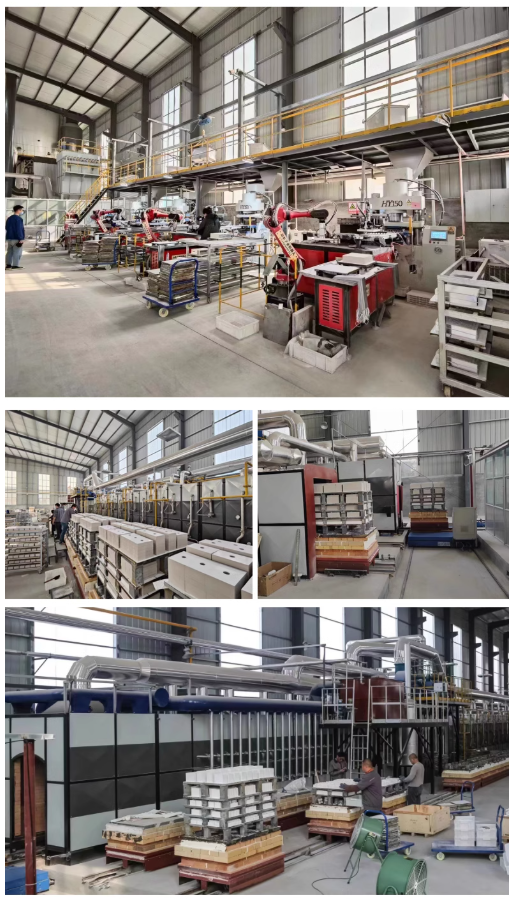
Payment Methods
T/T, Western Union, Paypal, Credit Card etc.
Shipment Methods
By air, by sea, by express, as customers request.
5 FAQs of Aluminum Oxide Ceramic Mosaic Tile as Pulley Lagging Ceramics
What are aluminum oxide ceramic mosaic tiles for pulley lagging? These are small ceramic tiles. They are made from aluminum oxide. They get glued onto conveyor pulleys. This creates a rough surface. This surface grips the conveyor belt better. This stops the belt from slipping.
Why choose ceramic tiles over rubber lagging? Ceramic tiles last much longer. They resist wear far better. Rubber wears down fast. Ceramic handles sharp materials well. Rubber gets cut easily. Ceramic also resists heat. Rubber can melt or burn.
What are the main benefits? First, they prevent belt slippage. This improves conveyor efficiency. Second, they reduce pulley wear. Pulleys last longer. Third, they need less maintenance. You replace them less often than rubber. Fourth, they work in tough conditions. Wet, hot, or abrasive materials are okay.
How are they installed? The tiles come on a backing sheet. This makes installation easier. Clean the pulley surface well. Apply a strong adhesive. Press the mosaic sheet onto the pulley. The tiles bond tightly. Each tile provides its own grip point. This creates a high-friction surface.
Where are they best used? They are excellent for heavy-duty conveyors. Mining and quarrying use them a lot. Ports and power plants benefit too. They work well where belts carry sharp rocks or ore. They are good where rubber fails quickly. They suit hot environments like cement plants.
REQUEST A QUOTE
RELATED PRODUCTS
99.5 C799 Aluminum Oxide Plate Alumina Ceramic Sheet
High-quality 96% Alumina Ceramic Substrate Insulation Aluminum Oxide Al2O3 Plate
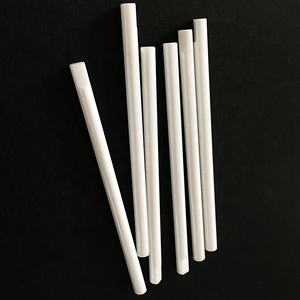
Wear Resisting Alumina Ceramic Parts Aluminum Oxide Corrosion Resistance Ceramic Shaft for High Speed Pump
Alumina Ceramic Parts Aluminum Oxide Good Quality Ceramic Shaft for Wall Mounted Boiler Pump
Aluminum Oxide Ceramic Basket Gemstone Coated with Zirconia Ceramic by Gravel