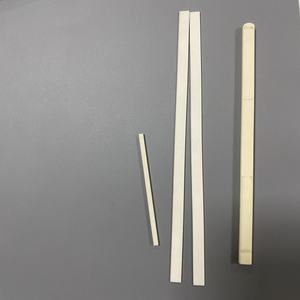
Professional industry ceramic supplier, silicon nitride, silicon carbide, aluminum nitride and any other kinds of ceramics.

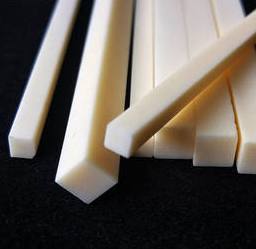
PRODUCT PARAMETERS
Description
Overview of Aluminum Oxide Ceramic Mosaic Tile as Pulley Lagging Ceramics
Aluminum Oxide Ceramic Mosaic Tile as Pulley Lagging Ceramics are one of the most widely used and versatile technical ceramics, prized for their excellent combination of properties. Composed primarily of aluminum oxide (Al₂O₃), they offer outstanding hardness, wear resistance, and electrical insulation, even at high temperatures. From low-purity grades for general industrial use to high-purity compositions for demanding applications, alumina ceramics provide a cost-effective and reliable solution across a vast range of industries.
Features of Aluminum Oxide Ceramic Mosaic Tile as Pulley Lagging Ceramics
-
High Hardness & Wear Resistance: Excellent resistance to abrasive wear, making it ideal for liners, nozzles, and guides.
-
Superior Electrical Insulation: Maintains high electrical resistivity and dielectric strength, even at elevated temperatures.
-
Excellent Thermal Stability: Withstands high operating temperatures and exhibits good thermal conductivity.
-
High Mechanical Strength: Possesses good compressive strength and stiffness.
-
Chemical Inertness: Resists corrosion from a wide range of acids, alkalis, and other harsh chemicals.
-
Cost-Effectiveness: A highly versatile and economically efficient ceramic material for numerous applications.
Specification of Aluminum Oxide Ceramic Mosaic Tile as Pulley Lagging Ceramics
These tiles are mosaic ceramic tiles made from aluminum oxide. They are used as pulley lagging ceramics. Pulley lagging protects conveyor belt pulleys. The tiles are very hard and resist wear. This extends the life of the pulleys. They are made from high-purity aluminum oxide. This material is extremely tough. It has a high hardness rating. The tiles resist abrasion very well. They are also very resistant to impacts. This is important for heavy-duty mining or quarry work. Conveyor systems face tough conditions there. The ceramic surface provides excellent grip. It improves traction between the belt and the pulley. This prevents the belt from slipping. Slipping can cause problems and waste energy. The tiles are applied to the pulley shell. They are embedded into a rubber backing. This creates a strong, durable surface. The rubber absorbs shock. The ceramic gives wear resistance. Together they make a long-lasting lagging. These mosaic tiles are small squares. They are arranged on a flexible backing sheet. This makes installation easier. Workers can apply them directly to the pulley. They bond well to the rubber. The small tile size allows the lagging to bend. It fits the curve of the pulley drum. This ensures good contact across the whole surface. The tiles handle high temperatures well. They resist chemicals too. This makes them suitable for harsh environments. They maintain their grip over time. The surface does not glaze or become smooth. It stays rough for good friction. This keeps the belt moving efficiently. It reduces maintenance needs. Pulleys last much longer. Downtime decreases. Overall conveyor reliability improves. These tiles are a strong solution for pulley protection.
Applications of Aluminum Oxide Ceramic Mosaic Tile as Pulley Lagging Ceramics
Pulley lagging is essential for conveyor systems. It is the material applied to the outer surface of conveyor pulleys. Its job is simple: provide grip. Good grip prevents the conveyor belt from slipping. Slipping causes problems. It reduces efficiency. It wears out belts faster. It can even stop production. Rubber lagging is common. But rubber wears down quickly. Abrasive materials and harsh conditions damage rubber. This means frequent replacements. Downtime and maintenance costs add up. Aluminum oxide ceramic mosaic tiles offer a better solution. These tiles are incredibly hard. They resist wear far better than rubber. This means pulley lagging lasts much longer. The ceramic surface creates excellent friction. This friction stops belt slippage effectively. Conveyors run smoother and more reliably. The ceramic material handles chemicals well. It does not break down easily. High temperatures are also not a problem. These tiles come in small mosaic pieces. They are attached to a flexible backing sheet. This sheet bonds directly to the pulley shell. The mosaic design is smart. It allows the lagging to curve perfectly around the pulley drum. It also withstands impacts better than solid sheets. Small cracks stay contained. The whole tile doesn’t shatter. Installing ceramic lagging is straightforward. Clean the pulley surface. Apply the adhesive. Press the mosaic sheet onto the pulley. The result is a high-performance lagging surface. It withstands heavy loads and tough environments. It saves money over time. Less downtime. Lower replacement costs. Better conveyor performance.

Company Profile
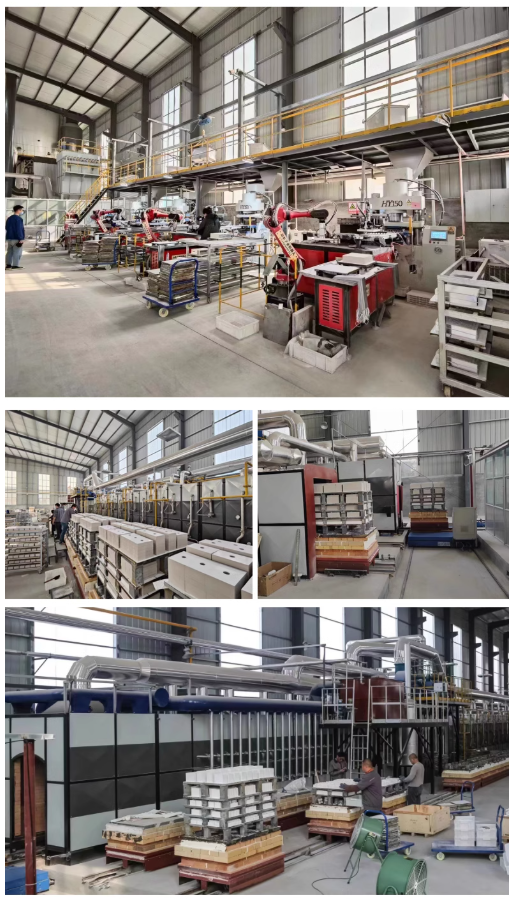
Tanki New Materials Co.Ltd. focus on the research and development, production and sales of ceramic products, serving the electronics, ceramics, chemical and other industries. Since its establishment in 2015, the company has been committed to providing customers with the best products and services, and has become a leader in the industry through continuous technological innovation and strict quality management.
Our products includes but not limited to Aerogel, Aluminum Nitride, Aluminum Oxide, Boron Carbide, Boron Nitride, Ceramic Crucible, Ceramic Fiber, Quartz Product, Refractory Material, Silicon Carbide, Silicon Nitride, ect. please feel free to contact us.
Payment Methods
T/T, Western Union, Paypal, Credit Card etc.
Shipment Methods
By air, by sea, by express, as customers request.
5 FAQs of Aluminum Oxide Ceramic Mosaic Tile as Pulley Lagging Ceramics
Why pick aluminum oxide ceramic mosaic tiles for pulley lagging?
These tiles are extremely hard and resist wear well. They stick firmly to the pulley surface. This creates a high-friction surface. The belt grips much better. Slippage reduces significantly. Conveyor efficiency improves.
What makes these tiles tough?
The tiles are made from aluminum oxide. Aluminum oxide is a very hard ceramic material. It handles abrasion from belt movement easily. It lasts much longer than rubber lagging. It handles heavy loads and high speeds. Downtime for pulley repairs decreases.
How are the tiles installed?
The tiles come in small mosaic pieces. Each piece has a stud on the back. Installers glue these tiles directly onto the pulley shell. They cover the entire pulley surface. The studs lock into the adhesive. This creates a very strong bond. The belt cannot pull the tiles off.
Do the tiles need special care?
These tiles require almost no maintenance. Their hard surface does not attract material buildup. Belt cleaners work effectively against them. They resist oils and chemicals found on some belts. A quick visual check is usually enough. They perform well for years.
Are they worth the cost?
The initial cost is higher than rubber. The long service life offsets this. You replace pulleys far less often. Belt wear also reduces. Energy savings come from less slippage. Overall operating costs go down. They are a smart investment for reliability.
REQUEST A QUOTE
RELATED PRODUCTS
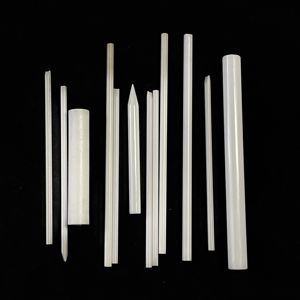
Precision Polished Machining Ceramic Alumina Aluminum Oxide Al2O3 Plunger Rod
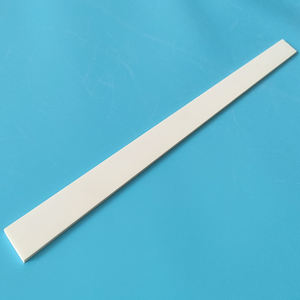
96 Al2O3 Aluminum Oxide Heat Dissipation Automotive Alumina Ceramic Substrate
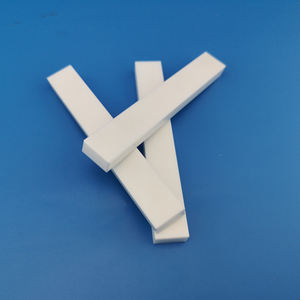
Non Deformable Alumina Ceramic Shaft Plunger Low Elastic Force Aluminum Oxide Ceramic Spindle and Sleeve for Oxygen Sensors
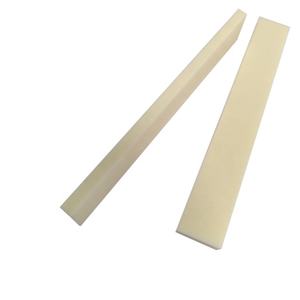
Alumina Ceramic Parts Aluminum Oxide Dry Pressing Ceramic Shaft for Hot Water Circulation Pump
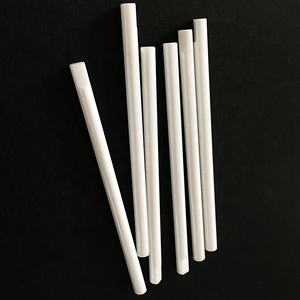
Chemical Filling Aluminum Oxide Ceramic Raschig Ring as Catalyst Support