Professional industry ceramic supplier, silicon nitride, silicon carbide, aluminum nitride and any other kinds of ceramics.

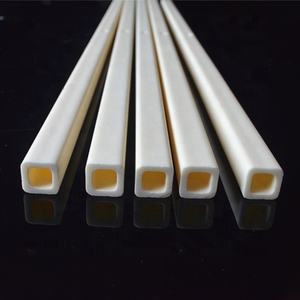
PRODUCT PARAMETERS
Description
Overview of Aluminum Oxide Ceramic Tile as Pulley Lagging Ceramics
Aluminum Oxide Ceramic Tile as Pulley Lagging Ceramics are one of the most widely used and versatile technical ceramics, prized for their excellent combination of properties. Composed primarily of aluminum oxide (Al₂O₃), they offer outstanding hardness, wear resistance, and electrical insulation, even at high temperatures. From low-purity grades for general industrial use to high-purity compositions for demanding applications, alumina ceramics provide a cost-effective and reliable solution across a vast range of industries.
Features of Aluminum Oxide Ceramic Tile as Pulley Lagging Ceramics
-
High Hardness & Wear Resistance: Excellent resistance to abrasive wear, making it ideal for liners, nozzles, and guides.
-
Superior Electrical Insulation: Maintains high electrical resistivity and dielectric strength, even at elevated temperatures.
-
Excellent Thermal Stability: Withstands high operating temperatures and exhibits good thermal conductivity.
-
High Mechanical Strength: Possesses good compressive strength and stiffness.
-
Chemical Inertness: Resists corrosion from a wide range of acids, alkalis, and other harsh chemicals.
-
Cost-Effectiveness: A highly versatile and economically efficient ceramic material for numerous applications.
Specification of Aluminum Oxide Ceramic Tile as Pulley Lagging Ceramics
Aluminum oxide ceramic tiles are a leading choice for wheel lagging. They shield conveyor wheels from damage. Belt conveyors move bulk products. The pulley surface area obtains damaged fast. This lagging includes a challenging shield. It makes pulleys last a lot longer. This saves money on repair work and downtime.
These floor tiles are made from top-quality alumina. This material is very hard. It stands up to abrasion extremely well. Sand, ore, and gravel scrape surfaces. Ceramic ceramic tiles handle this harsh therapy. They outlast rubber delaying many times over. Rubber wears down promptly under heavy tons.
The tiles bond straight onto the pulley covering. Epoxy adhesive is used. This develops a strong, seamless surface area. The surface area structure is necessary. It offers outstanding hold on the conveyor belt. This grasp stops belts from sliding. Slipping causes tracking troubles and inadequacy. Good grip maintains every little thing running smoothly.
These ceramic lagging tiles withstand extreme problems. They deal with high impacts. They withstand chemical rust. They tolerate broad temperature adjustments. Damp or completely dry settings are not a problem. This integrity is essential for mines, quarries, and factories. Pulleys need to work non-stop.
Installation needs a clean, prepared pulley-block surface. Correct surface area prep guarantees the tiles stick well. Educated professionals usually handle this work. Appropriate setup ensures the very best performance. The tiles are available in common shapes and sizes. Custom designs are additionally possible. This adaptability fits different pulley-block sizes and applications.
Applications of Aluminum Oxide Ceramic Tile as Pulley Lagging Ceramics
Light weight aluminum oxide ceramic tile pulley-block lagging offers a hard option for safeguarding conveyor drive pulleys. It deals with the consistent wear from heavy materials and abrasive belts head-on. Industries like mining, quarries, and ports depend greatly on conveyor systems. These systems face rough problems daily. Rubber delaying breaks quick under such tension. Ceramic lagging lasts a lot longer. This indicates much less downtime for maintenance. Saving time saves cash as well.
The ceramic tiles bond directly onto the pulley covering. They create an exceptionally difficult, wear-resistant surface. This surface grips the conveyor belt effectively. Good grasp avoids belt slippage. Slippage wastes energy and creates additional wear. The ceramic tiles themselves are made from high-grade aluminum oxide. This material is virtually as hard as diamond. It withstands scratches, cuts, and gouges extremely well.
Installation is simple. Workers can apply the ceramic tiles using solid sticky or vulcanize them onto rubber sheets. This permits easy replacement of individual ceramic tiles if required. Manufacturing facilities and handling plants profit substantially. Their sheaves see continuous use moving bulk products. The porcelains handle sand, crushed rock, coal, ore, and various other rough things efficiently. They stand up to impacts that would promptly destroy softer lagging materials.
Choosing ceramic delayed boosts pulley life significantly. It decreases the demand for frequent pulley substitutes or repairs. Workflow run smoother with less disruptions. The preliminary investment settles via long-term financial savings. Sheave performance improves throughout various demanding setups.
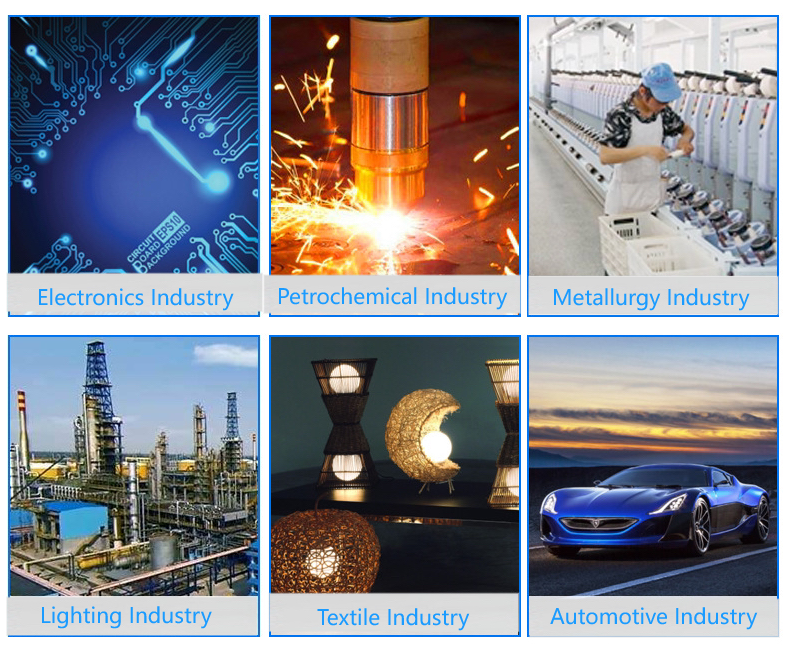
Company Profile
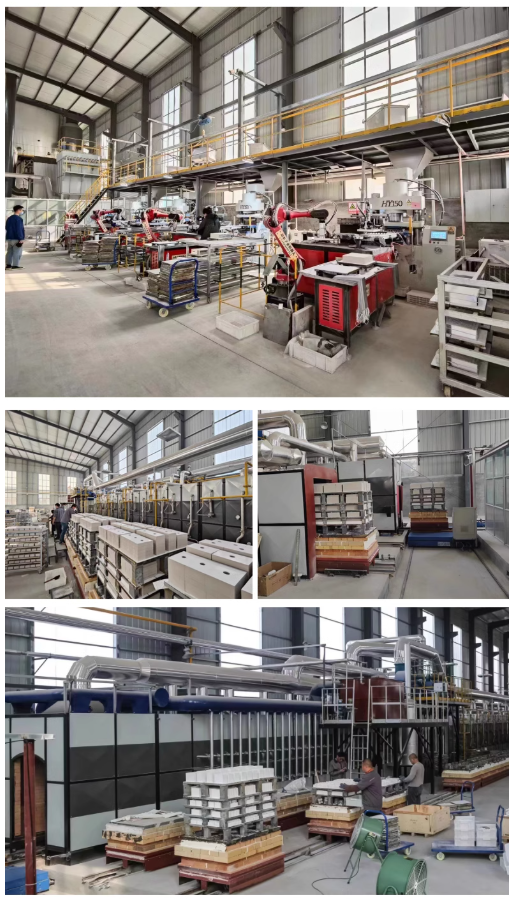
Tanki New Materials Co.Ltd. focus on the research and development, production and sales of ceramic products, serving the electronics, ceramics, chemical and other industries. Since its establishment in 2015, the company has been committed to providing customers with the best products and services, and has become a leader in the industry through continuous technological innovation and strict quality management.
Our products includes but not limited to Aerogel, Aluminum Nitride, Aluminum Oxide, Boron Carbide, Boron Nitride, Ceramic Crucible, Ceramic Fiber, Quartz Product, Refractory Material, Silicon Carbide, Silicon Nitride, ect. please feel free to contact us.
Payment Methods
T/T, Western Union, Paypal, Credit Card etc.
Shipment Methods
By air, by sea, by express, as customers request.
5 FAQs of Aluminum Oxide Ceramic Tile as Pulley Lagging Ceramics
Why use aluminum oxide ceramic tiles on pulleys? These tiles grip the conveyor belt better. This reduces slipping. Pulleys drive the belt. Good grip means the system runs smoothly. It prevents damage to the belt and pulley surface.
How are the tiles attached? The tiles are glued onto the pulley shell. A strong adhesive bonds them. This adhesive withstands heavy loads. It keeps the tiles firmly in place during operation. Proper surface preparation is key for a lasting bond.
What are the main benefits? These tiles are extremely hard. They resist wear much better than rubber lagging. They handle abrasive materials well. This means the pulley surface lasts longer. It reduces downtime for replacements. The tiles also improve traction significantly.
How long do they last? They last a very long time. Their wear resistance is excellent. They outlast rubber lagging many times over. The lifespan depends on the application. Factors include material abrasiveness and belt tension. Even in tough conditions, they perform well.
Is maintenance hard? Maintenance is minimal. The tiles need little attention once installed. Check them during regular inspections. Look for any loose or damaged tiles. Replace them if needed. This keeps the lagging effective.
REQUEST A QUOTE
RELATED PRODUCTS
Tape Casting Pink Substrate Aluminum Oxide Al2O3 Alumina Ceramic Plate
High-quality 96% Alumina Ceramic Substrate Insulation Aluminum Oxide Al2O3 Plate
Alumina Ceramic Parts Aluminum Oxide Good Quality Ceramic Shaft for Wall Mounted Boiler Pump
Ceramic Tower Aluminum Oxide Al2O3 Porcelain Ball Inert Ceramic Ball
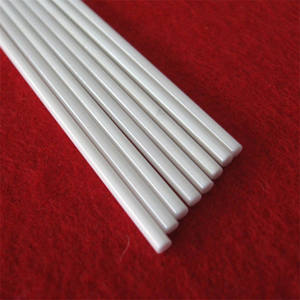
Aluminum Oxide Not Easy Deform Round Hole Straight Cylinder Ceramic Shaft Rod