Professional industry ceramic supplier, silicon nitride, silicon carbide, aluminum nitride and any other kinds of ceramics.

PRODUCT PARAMETERS
Description
Overview of Factory Zibo Grinding Media 92% Aluminum Oxide Al2O3 Alumina Ceramic Balls for Ball Mill
Factory Zibo Grinding Media 92% Aluminum Oxide Al2O3 Alumina Ceramic Balls for Ball Mill are one of the most widely used and versatile technical ceramics, prized for their excellent combination of properties. Composed primarily of aluminum oxide (Al₂O₃), they offer outstanding hardness, wear resistance, and electrical insulation, even at high temperatures. From low-purity grades for general industrial use to high-purity compositions for demanding applications, alumina ceramics provide a cost-effective and reliable solution across a vast range of industries.
Features of Factory Zibo Grinding Media 92% Aluminum Oxide Al2O3 Alumina Ceramic Balls for Ball Mill
-
High Hardness & Wear Resistance: Excellent resistance to abrasive wear, making it ideal for liners, nozzles, and guides.
-
Superior Electrical Insulation: Maintains high electrical resistivity and dielectric strength, even at elevated temperatures.
-
Excellent Thermal Stability: Withstands high operating temperatures and exhibits good thermal conductivity.
-
High Mechanical Strength: Possesses good compressive strength and stiffness.
-
Chemical Inertness: Resists corrosion from a wide range of acids, alkalis, and other harsh chemicals.
-
Cost-Effectiveness: A highly versatile and economically efficient ceramic material for numerous applications.
Specification of Factory Zibo Grinding Media 92% Aluminum Oxide Al2O3 Alumina Ceramic Balls for Ball Mill
These grinding balls come from Zibo factory. They use 92% aluminum oxide. This material is called alumina ceramic. The balls work inside ball mills. Ball mills grind materials down. Alumina ceramic balls are very hard. They resist wear well. They last longer than steel balls. This saves money over time. The balls have high density. High density helps grinding efficiency. They crush materials effectively.
Many sizes are available. Common sizes include 5mm, 10mm, 20mm, 30mm, and 40mm diameters. Other sizes can be made too. You can choose the size for your mill. The balls have a very smooth surface. A smooth surface reduces contamination. Your ground material stays pure. These balls resist chemicals. Acids and alkalis don’t harm them easily. This is good for many industries.
The balls handle high temperatures well. They work fine in hot processes. They are not magnetic. Non-magnetic balls are good for some materials. They won’t stick together. Alumina ceramic balls are lighter than steel. Lighter balls use less energy. This lowers power costs. They create less noise during operation. A quieter mill is better for workers.
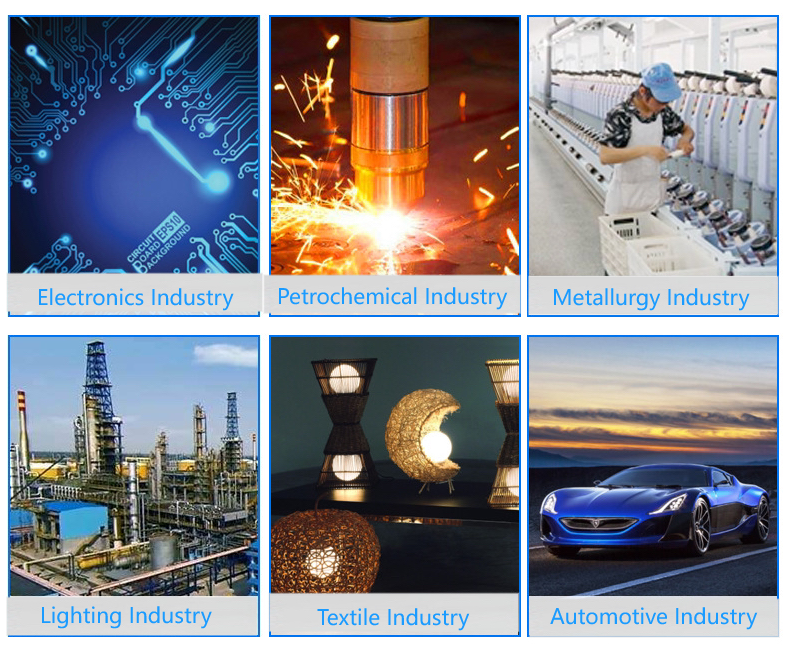
These balls are used in many places. Ceramics factories use them. Paint companies need them. Chemical plants rely on them. Mining operations use them too. They grind minerals effectively. They are good for grinding tough materials. They offer consistent performance. You get a uniform grind size. This improves product quality. Using alumina balls is a smart choice. They offer good value. They perform reliably.
Applications of Factory Zibo Grinding Media 92% Aluminum Oxide Al2O3 Alumina Ceramic Balls for Ball Mill
Zibo grinding media offers 92% aluminum oxide (Al2O3) alumina ceramic balls. These balls are made for use in ball mills. Ball mills grind materials into fine powders. Many industries rely on ball mills. Alumina ceramic balls are a top choice for grinding media. They are very hard. Their hardness helps them crush materials effectively. They are also very wear-resistant. This means they last much longer than steel balls. You save money because you replace them less often.
These ceramic balls are chemically inert. They do not react with the materials being ground. This keeps your product pure. You avoid contamination. This is critical in industries like pharmaceuticals or fine chemicals. Impurities can ruin a batch. Alumina balls help prevent this problem. They are also non-magnetic. Magnetic contamination is not an issue.
Mining operations use these balls. They grind ores to extract valuable minerals. Ceramic balls offer good performance here. They withstand the tough conditions. The cement industry uses them too. They grind clinker to make cement powder. Ceramic balls provide consistent grinding. This leads to better quality cement.
Chemical plants need reliable grinding media. Alumina ceramic balls are perfect. They grind pigments, dyes, and other chemicals. Their inert nature protects product quality. Paint manufacturers use them. They grind pigments for consistent color and texture. Ceramic balls ensure clean, efficient grinding.
The ceramics industry itself uses these balls. They grind raw materials like feldspar or quartz. Using ceramic media avoids adding unwanted metals. It keeps the ceramic batches clean. Food processing sometimes uses ball mills too. Alumina balls are safe for certain food-grade applications. They meet strict hygiene standards.
Company Profile
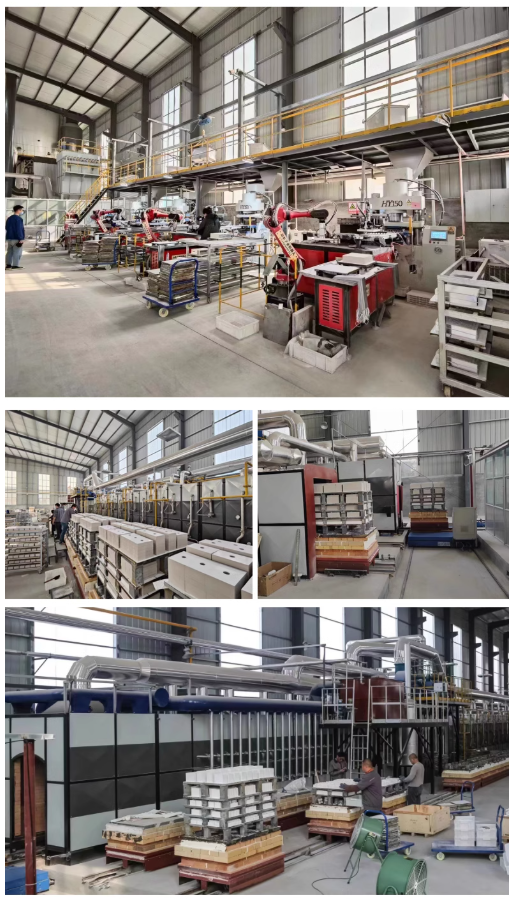
Tanki New Materials Co.Ltd. focus on the research and development, production and sales of ceramic products, serving the electronics, ceramics, chemical and other industries. Since its establishment in 2015, the company has been committed to providing customers with the best products and services, and has become a leader in the industry through continuous technological innovation and strict quality management.
Our products includes but not limited to Aerogel, Aluminum Nitride, Aluminum Oxide, Boron Carbide, Boron Nitride, Ceramic Crucible, Ceramic Fiber, Quartz Product, Refractory Material, Silicon Carbide, Silicon Nitride, ect. please feel free to contact us.
Payment Methods
T/T, Western Union, Paypal, Credit Card etc.
Shipment Methods
By air, by sea, by express, as customers request.
5 FAQs of Factory Zibo Grinding Media 92% Aluminum Oxide Al2O3 Alumina Ceramic Balls for Ball Mill
People buy ceramic balls for grinding. Why choose these 92% Alumina Oxide balls? They are very hard and wear slowly. This means less material gets ground into your product. They also resist chemicals well. Steel balls can rust and add unwanted metal. Ceramic balls are cleaner. They are good for grinding things like minerals, chemicals, and ceramics.
Where can these ceramic balls be used? They work in many ball mills. They grind minerals before processing. They mix and grind chemicals safely. Ceramic factories use them for grinding raw materials. They are also common in paint production. Any place needing fine grinding without contamination might use them.
How do I pick the right size ball? The size depends on your mill and material. Bigger balls hit harder for coarse grinding. Smaller balls grind finer particles. Check your mill manufacturer’s guidelines. Think about the size of the material going in. The final product fineness matters too. Common sizes are 5mm, 10mm, 20mm, and 30mm.
Will these balls break easily? They are very tough. They have high crush strength. They handle impacts inside a ball mill well. They resist cracking under pressure. But dropping them on a hard floor from height might cause damage. Handle them carefully before loading. Once inside the mill, they are very durable.
How long do these alumina balls last? They last much longer than steel balls. Their wear rate is very low. You won’t need to replace them as often. This saves time and money on maintenance. The exact lifespan depends on your grinding conditions. Harder materials might wear them down faster. But generally, they offer long service life.
REQUEST A QUOTE
RELATED PRODUCTS
Aluminum Oxide Al2O3 Alumina Textile Ceramic Yarn Guide
Manufactory Dry Casting Polished Surface Aluminum Oxide Alumina Ceramic Disc
Thermal Resistant 96% 99.6% Aluminum Oxide Substrate Al2O3 Alumina Ceramic Plate
Pink Aluminum Oxide Al2O3 Alumina Ceramic Substrate for High-Frequency Applications
96 Al2O3 Aluminum Oxide Heat Dissipation Automotive Alumina Ceramic Substrate