Professional industry ceramic supplier, silicon nitride, silicon carbide, aluminum nitride and any other kinds of ceramics.


PRODUCT PARAMETERS
Description
Overview of The Role of Aluminum Oxide in Revolutionizing Refractory Technologies
The Role of Aluminum Oxide in Revolutionizing Refractory Technologies are one of the most widely used and versatile technical ceramics, prized for their excellent combination of properties. Composed primarily of aluminum oxide (Al₂O₃), they offer outstanding hardness, wear resistance, and electrical insulation, even at high temperatures. From low-purity grades for general industrial use to high-purity compositions for demanding applications, alumina ceramics provide a cost-effective and reliable solution across a vast range of industries.
Features of The Role of Aluminum Oxide in Revolutionizing Refractory Technologies
-
High Hardness & Wear Resistance: Excellent resistance to abrasive wear, making it ideal for liners, nozzles, and guides.
-
Superior Electrical Insulation: Maintains high electrical resistivity and dielectric strength, even at elevated temperatures.
-
Excellent Thermal Stability: Withstands high operating temperatures and exhibits good thermal conductivity.
-
High Mechanical Strength: Possesses good compressive strength and stiffness.
-
Chemical Inertness: Resists corrosion from a wide range of acids, alkalis, and other harsh chemicals.
-
Cost-Effectiveness: A highly versatile and economically efficient ceramic material for numerous applications.
Specification of The Role of Aluminum Oxide in Revolutionizing Refractory Technologies
Refractories face tough conditions. They need to withstand high heat and harsh chemicals. This is crucial for industries like steelmaking and cement production. Aluminum oxide, often called alumina, plays a vital role here. It makes refractory materials much stronger. Alumina toughens the material. This helps the refractory resist breaking down under stress. Heat can cause damage over time. Materials with alumina handle this heat much better. They last longer.
Alumina also fights chemical attack. Molten metals and slags are aggressive. They try to eat away at the refractory lining. Alumina provides excellent resistance. It protects the lining from this corrosion. This means less downtime for repairs. Production can run smoother. Factories save money on maintenance. Alumina improves the refractory’s overall stability. It prevents unwanted changes in size when heated or cooled. This stability is key for long furnace life. Furnace linings stay intact longer.
Using high-alumina refractories brings big advantages. They offer superior performance in extreme environments. Industries see better efficiency. They get longer service life from their equipment. This translates to lower costs overall. Alumina is a fundamental ingredient. It revolutionizes how refractories perform.
Applications of The Role of Aluminum Oxide in Revolutionizing Refractory Technologies
Aluminum oxide is a key material for modern refractory products. Refractories are materials that handle very high temperatures. They are vital in industries like steelmaking, glass production, and cement manufacturing. Aluminum oxide, often called alumina, brings special qualities to these demanding jobs.
Alumina is very hard. It can withstand intense heat without melting or breaking down. This makes alumina-based refractories incredibly stable in hot environments. They keep furnaces and kilns running longer. Alumina also fights off chemical attacks. Molten metals and slags are common in high-temperature processes. These substances can damage weaker refractories. Alumina resists corrosion much better. This protects the equipment lining.
The result is longer-lasting linings. Furnaces need replacing less often. This saves time and money for industrial plants. Downtime is reduced. Alumina refractories also offer better thermal insulation. They help keep heat inside the process. This improves energy efficiency. Less fuel is needed to maintain high temperatures.
Different industries use alumina refractories in various ways. Steel plants rely on them for furnace linings and ladles. Glass makers use them in melting tanks. Cement producers need them for kiln linings. Alumina is often combined with other materials like silica or magnesia. This creates custom refractories. These custom blends solve specific problems in different applications. Alumina’s versatility makes it essential. It helps push the limits of what high-temperature equipment can achieve. Production becomes more efficient and reliable.
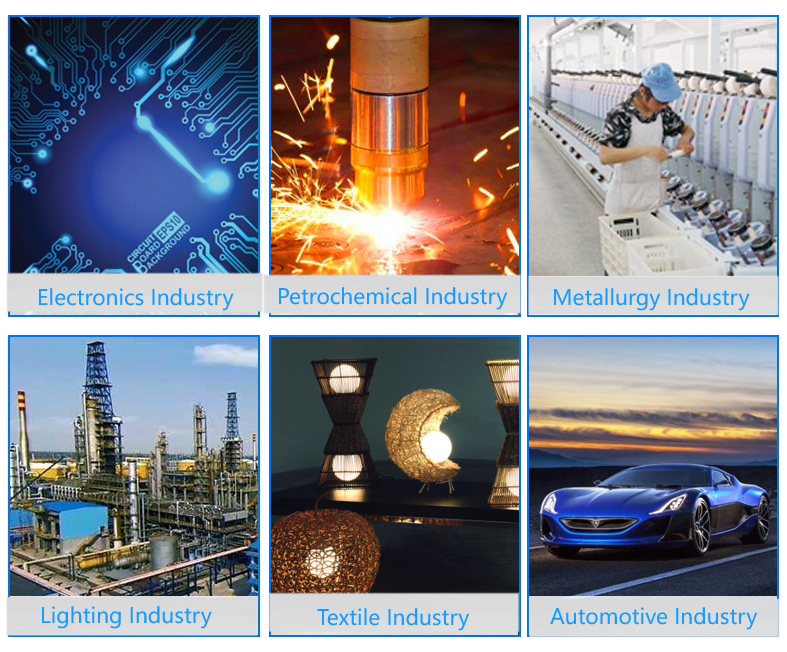
Company Profile
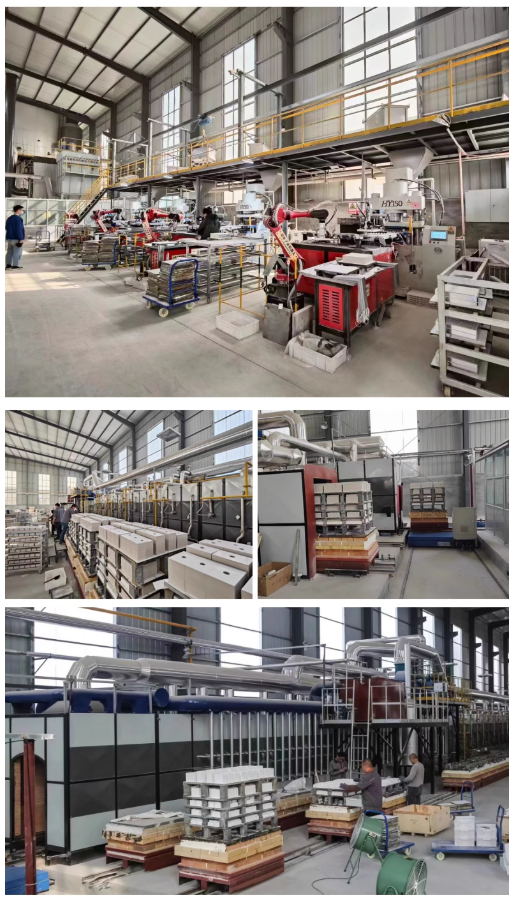
Tanki New Materials Co.Ltd. focus on the research and development, production and sales of ceramic products, serving the electronics, ceramics, chemical and other industries. Since its establishment in 2015, the company has been committed to providing customers with the best products and services, and has become a leader in the industry through continuous technological innovation and strict quality management.
Our products includes but not limited to Aerogel, Aluminum Nitride, Aluminum Oxide, Boron Carbide, Boron Nitride, Ceramic Crucible, Ceramic Fiber, Quartz Product, Refractory Material, Silicon Carbide, Silicon Nitride, ect. please feel free to contact us.
Payment Methods
T/T, Western Union, Paypal, Credit Card etc.
Shipment Methods
By air, by sea, by express, as customers request.
5 FAQs of The Role of Aluminum Oxide in Revolutionizing Refractory Technologies
What is aluminum oxide? Aluminum oxide is a compound made from aluminum and oxygen. People call it alumina too. It is a very hard material. It withstands high temperatures well.
Why is aluminum oxide important for refractories? Refractories need materials that handle extreme heat. Aluminum oxide excels at this. It keeps its strength even when things get very hot. This makes it perfect for furnaces and kilns.
What key properties does aluminum oxide offer? Aluminum oxide brings several benefits. It has high melting point. It resists chemical attacks from slags. It shows good thermal shock resistance. These traits are vital for long-lasting refractories.
How is aluminum oxide used in refractories? Manufacturers mix aluminum oxide into refractory products. They add it to bricks, castables, and mortars. It boosts the product’s ability to handle heat. It improves the product’s life under tough conditions.
What advantages does aluminum oxide provide? Using aluminum oxide makes refractories better. It allows higher operating temperatures. It extends the time between repairs. It cuts down on maintenance costs. Industries like steel and cement rely on these improvements.
REQUEST A QUOTE
RELATED PRODUCTS
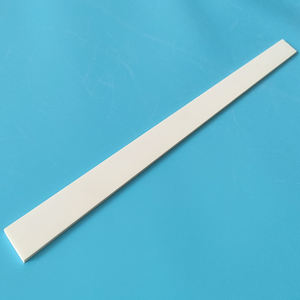
Wear Resistant Alumina Ceramic Liners with Aluminum Oxide 92% 95% for Mining Industry
50mm 75mm 2″ 3” Tr/Ts Aluminum Oxide Ceramic Zirconia Alumina Silicon Carbide Quick Change Discs for Cleaning Polishing Surface Condition Customized
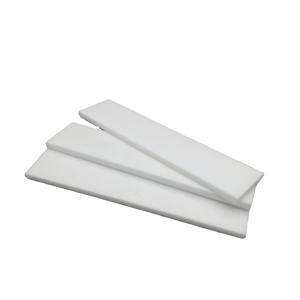
Aluminum Oxide Ceramic Thermal Insulator Low Thermal Conductivity Components
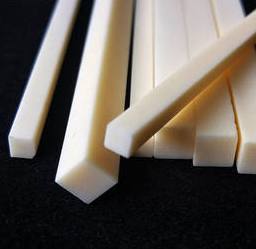
Aluminum Oxide Ceramic Mosaic Tile as Pulley Lagging Ceramics
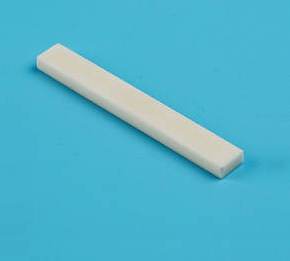
Solid White Pink Ivory Alumina Aluminum Oxide Ceramic