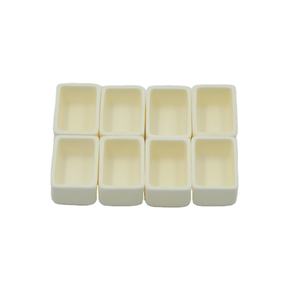
Professional industry ceramic supplier, silicon nitride, silicon carbide, aluminum nitride and any other kinds of ceramics.

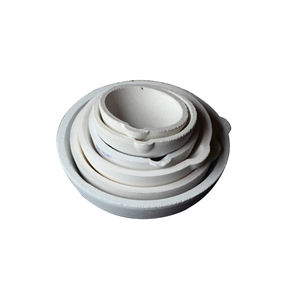
PRODUCT PARAMETERS
Description
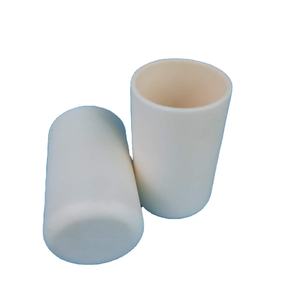
Overview of 95 99% Alumina Ceramic Crucible Al2O3 Ceramic Corundum Crucible
95 99% Alumina Ceramic Crucible Al2O3 Ceramic Corundum Crucible are specialized containers designed for withstanding extremely high temperatures in laboratory and industrial settings. They are essential for processes such as melting, calcining, and heat-treating a wide variety of materials, including metals, glasses, and chemicals. Our crucibles are engineered for superior thermal stability and chemical resistance, ensuring purity and reliability in the most demanding applications.
Features of 95 99% Alumina Ceramic Crucible Al2O3 Ceramic Corundum Crucible
-
Exceptional Thermal Shock Resistance: Withstands rapid temperature changes without cracking, ensuring durability and a long service life.
-
High-Temperature Stability: Maintains structural integrity at extreme temperatures, often exceeding 1500°C.
-
Excellent Chemical Inertness: Resists corrosion and reaction with molten metals, acids, and aggressive chemical fluxes.
-
High Purity & Low Contamination: Manufactured from premium materials to prevent sample contamination during sensitive processes.
-
Optimized Thermal Properties: Designed for efficient heat transfer and consistent performance in furnace environments.
-
Robust Mechanical Strength: Offers good resistance to physical impact and abrasion during handling and use.
Specifications of 95 99% Alumina Ceramic Crucible Al2O3 Ceramic Corundum Crucible
These alumina ceramic crucibles are incredibly tough. They handle extreme heat. They are made mostly from aluminum oxide, Al2O3. The purity levels are high, either 95% or 99%. This high purity matters. It gives the crucible its special qualities. The material is called corundum. It is very stable chemically. Acids and alkalis usually don’t affect it much. You can use it with many different chemicals safely. It withstands very high temperatures too. You can heat it well above 1500°C, sometimes near 1800°C. This makes it perfect for melting metals, analyzing minerals, or high-temperature chemistry. It resists thermal shock reasonably well. This means it can handle fast temperature changes without cracking easily. It is much better than some other ceramics here. The crucible is also physically strong. It has good hardness and resists wear. You can use it repeatedly. It won’t degrade quickly. It maintains its shape under stress. The surface is smooth. This helps prevent materials from sticking inside. Cleaning is easier. You find these crucibles in various sizes and shapes. Common forms include tall cylinders or low dishes. Sizes range from tiny ones holding milliliters to larger ones for bigger jobs. They are widely used in labs and industry. People rely on them for demanding heating tasks. Their performance is reliable. They last a long time when used correctly. These crucibles are a solid choice for serious high-heat work.
Applications of 95 99% Alumina Ceramic Crucible Al2O3 Ceramic Corundum Crucible
Alumina ceramic crucibles are essential tools in many industries. They are made from aluminum oxide. This material is incredibly tough. Crucibles come in purity levels like 95% or 99%. Higher purity usually means better performance. These crucibles handle very high temperatures easily. They can withstand sudden temperature changes well. This is called thermal shock resistance. They are also chemically inert. This means they resist corrosion from many acids and bases. They won’t react with most molten materials. This makes them very reliable.
In metal foundries, these crucibles melt metals. They work with iron, steel, copper, and alloys. They are popular for melting precious metals too. Gold and silver smiths use them often. The crucibles don’t add impurities to the melt. They help get pure metal.
Chemical laboratories depend on them. Scientists heat aggressive chemicals inside them. Strong acids or bases don’t damage the crucible material. This allows safe chemical reactions and analysis. Researchers trust them for consistent results.
Material science labs use them extensively. Scientists study new materials at high heat. They might grow crystals or test compounds. The alumina crucible provides a stable, clean environment. It doesn’t interfere with the experiments.
The ceramic is dense and non-porous. This prevents leaks and contamination. Crucibles come in many sizes and shapes. This fits different furnace types and sample amounts. They are reusable many times if handled carefully. This saves money over single-use options. Proper care extends their life significantly. They are a smart investment for demanding thermal applications. Their performance justifies their cost. Industries needing reliable high-temperature containers choose them.
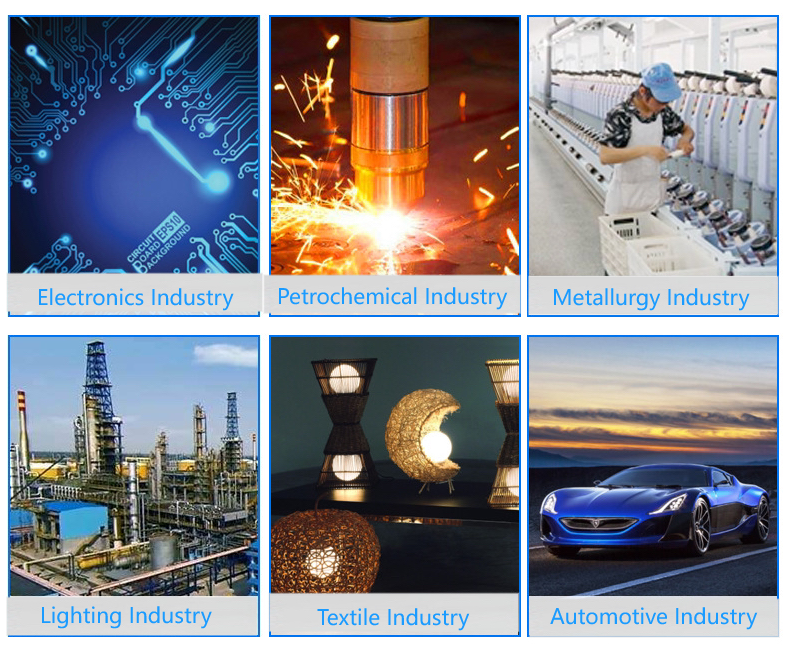
Company Profile
Tanki New Materials Co.Ltd. focus on the research and development, production and sales of ceramic products, serving the electronics, ceramics, chemical and other industries. Since its establishment in 2015, the company has been committed to providing customers with the best products and services, and has become a leader in the industry through continuous technological innovation and strict quality management.
Our products includes but not limited to Aerogel, Aluminum Nitride, Aluminum Oxide, Boron Carbide, Boron Nitride, Ceramic Crucible, Ceramic Fiber, Quartz Product, Refractory Material, Silicon Carbide, Silicon Nitride, ect. please feel free to contact us.
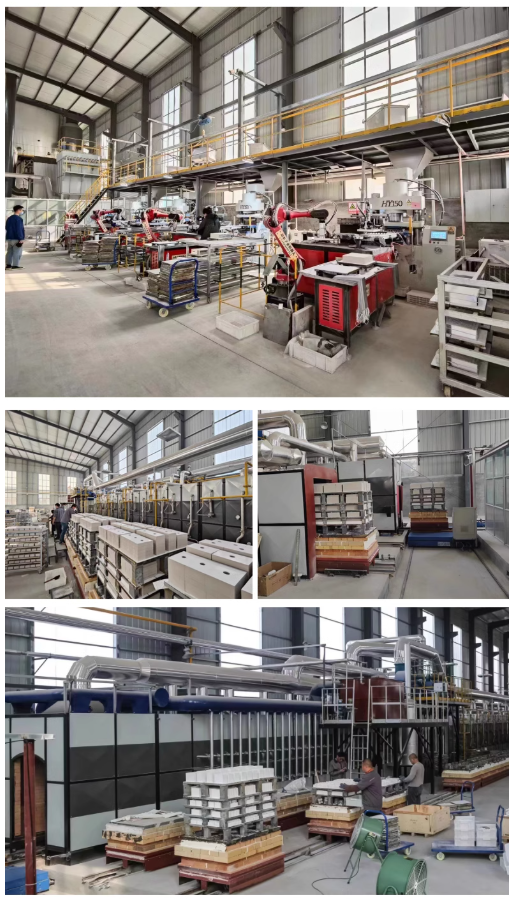
Payment Methods
T/T, Western Union, Paypal, Credit Card etc.
Shipment Methods
By air, by sea, by express, as customers request.
5 FAQs of 95 99% Alumina Ceramic Crucible Al2O3 Ceramic Corundum Crucible
What is an alumina ceramic crucible made of?
Alumina ceramic crucibles are mostly made from aluminum oxide. Aluminum oxide is called Al2O3. High purity alumina is used. The purity level is usually 95% or 99%. This means almost all the material is pure alumina. These crucibles are known as corundum crucibles.
How hot can these crucibles get?
These crucibles handle very high temperatures well. They work fine up to about 1700°C. This is much hotter than many metals melt. This makes them good for melting metals. They also resist sudden temperature changes. This is called thermal shock resistance. You can heat them up fast or cool them down fast. They usually won’t crack from the stress.
Are alumina crucibles strong?
Yes, they are very strong and hard. Alumina is one of the hardest ceramics. This makes them resistant to scratching and wear. They last a long time even with tough use. They keep their shape under high heat and pressure. They do not bend or warp easily. This strength is important for lab work.
How do I clean an alumina ceramic crucible?
Cleaning is usually simple. Let the crucible cool down completely first. Never put a hot crucible in water. That can cause cracking. After cooling, you can wash it with water. Use a brush if needed. For stubborn residues, you might need special cleaning agents. Avoid harsh chemicals that could damage the surface. Always dry the crucible thoroughly before using it again.
What are these crucibles used for?
People use these crucibles for melting metals. They are common in jewelry making. They are also used in laboratories for experiments. They work well with precious metals like gold and silver. They are also good for melting platinum. They are used in chemical analysis. They hold samples that need high heat. Their purity means they won’t add impurities to your melt.
REQUEST A QUOTE
RELATED PRODUCTS
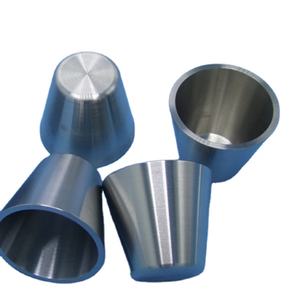
95% Alumina Ceramic Crucible Alumina Thermal Analysis Small Crucible With Lid
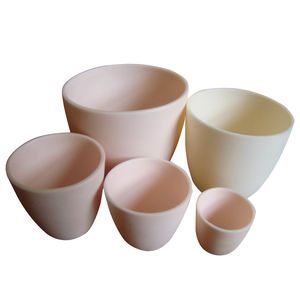
Alumina Ceramic TGA Crucible with Lid for Testing Instrument
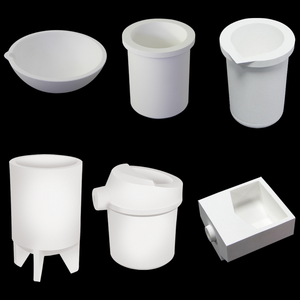
Ceramic Melting Casting Crucible Smelting Gold Platinum Silver Metal and Glass Fused Silica Heating Cup Bowl Pot Quartz Crucible
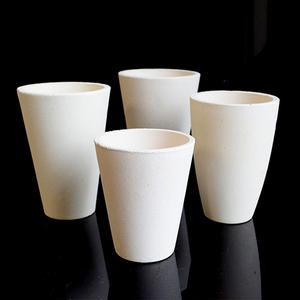
Goldsmith Machine Tools Ceramic Crucible Pots Smelting Crucibles for Jewelry
Laboratory High Temperature Ceramic Oven Dental Ceramic Crucible