Professional industry ceramic supplier, silicon nitride, silicon carbide, aluminum nitride and any other kinds of ceramics.

PRODUCT PARAMETERS
Description
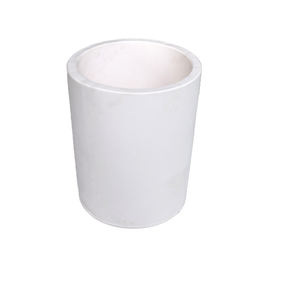
Overview of Tight Tolerance Ceramic Crucible
Tight Tolerance Ceramic Crucible are specialized containers designed for withstanding extremely high temperatures in laboratory and industrial settings. They are essential for processes such as melting, calcining, and heat-treating a wide variety of materials, including metals, glasses, and chemicals. Our crucibles are engineered for superior thermal stability and chemical resistance, ensuring purity and reliability in the most demanding applications.
Features of Tight Tolerance Ceramic Crucible
-
Exceptional Thermal Shock Resistance: Withstands rapid temperature changes without cracking, ensuring durability and a long service life.
-
High-Temperature Stability: Maintains structural integrity at extreme temperatures, often exceeding 1500°C.
-
Excellent Chemical Inertness: Resists corrosion and reaction with molten metals, acids, and aggressive chemical fluxes.
-
High Purity & Low Contamination: Manufactured from premium materials to prevent sample contamination during sensitive processes.
-
Optimized Thermal Properties: Designed for efficient heat transfer and consistent performance in furnace environments.
-
Robust Mechanical Strength: Offers good resistance to physical impact and abrasion during handling and use.
Specifications of Tight Tolerance Ceramic Crucible
Tight tolerance ceramic crucibles are important laboratory tools. They handle demanding high-temperature jobs. These crucibles are built for accuracy and reliability. They are made from high-purity products like alumina. This guarantees outstanding chemical resistance. Pollutants are really reduced. This protects against example contamination. The purity degree is often 99% or higher. This is critical for delicate applications.
Dimensional precision is a vital function. These crucibles have really tight production resistances. Wall density variations are minimal. This promotes uniform home heating. Constant heating is important for repeatable outcomes. Crucible capacity should be accurate. Also small volume mistakes can destroy experiments. The inner and external sizes are held to stringent limitations. This ensures proper fit in holders and heating systems.
These crucibles endure extreme warm. They run dependably at temperatures above 1700 ° C. Thermal shock resistance is very important. The crucible will not break during rapid temperature level shifts. This expands its useful life. It saves money on replacements.
Chemical inertness is one more crucial aspect. The product stands up to assault from liquified steels and hostile chemicals. It will not respond with your examples. This protects sample stability. You obtain precise analytical data.
Surface finish is smooth. A smooth interior surface area stops material sticking. It allows for simple sample recuperation and crucible cleansing. This decreases carryover between uses. It preserves experimental pureness.
Applications of Tight Tolerance Ceramic Crucible
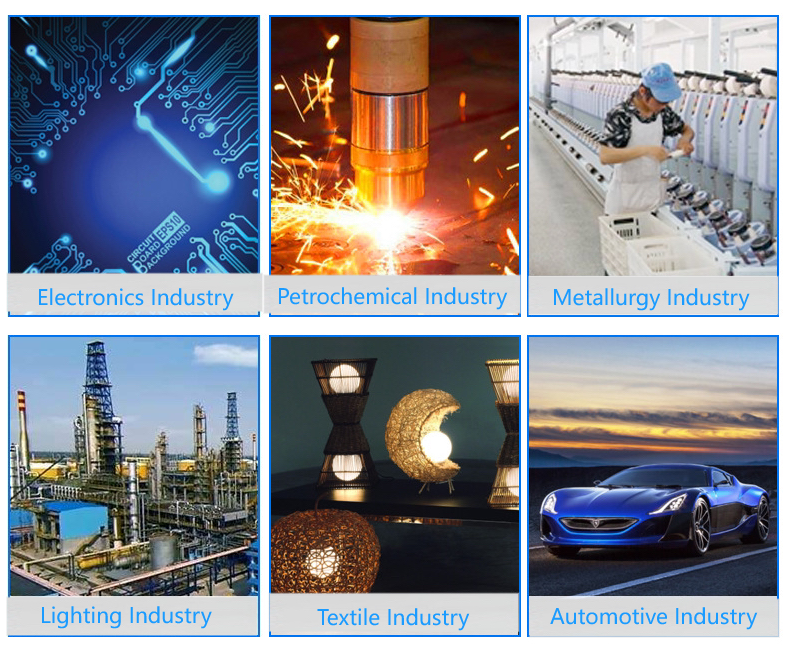
Limited resistance ceramic crucibles serve lots of essential objectives. These crucibles hold products securely at extremely high temperatures. They are made from unique ceramics like alumina. This gives them wonderful resistance to heat and chemicals. Their accurate production means consistent size and shape. This precision is essential for dependable results. Laboratories make use of these crucibles daily. Scientists warm samples inside them for analysis. The crucibles should not infect the examples. Their limited tolerances guarantee this purity. Semiconductor manufacturing depends on these crucibles. They take care of molten silicon for making chips. Any type of impurity damages the delicate electronic devices. The crucibles have to be flawlessly tidy and constant. The chemical industry relies upon them too. Reactions usually require severe warm. These crucibles withstand the severe conditions. They hold aggressive chemicals securely. Steel refining uses them thoroughly. Rare-earth elements like gold and platinum need pure melting vessels. These crucibles supply that clean atmosphere. They aid different pure metal from ore. Research labs need them for new products. Researchers develop unique alloys and substances. They melt products inside these crucibles. The accurate form enables precise measurements. The consistent efficiency is essential. These crucibles are recyclable after correct cleaning. This conserves cash over time. Their sturdiness handles repeated heating and cooling down cycles. They are essential devices across scientific research and industry.
Company Profile
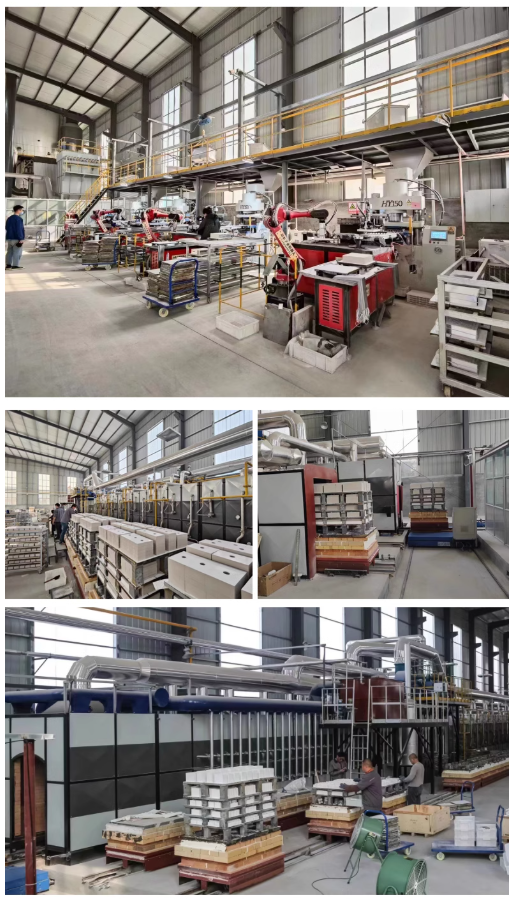
Tanki New Materials Co.Ltd. focus on the research and development, production and sales of ceramic products, serving the electronics, ceramics, chemical and other industries. Since its establishment in 2015, the company has been committed to providing customers with the best products and services, and has become a leader in the industry through continuous technological innovation and strict quality management.
Our products includes but not limited to Aerogel, Aluminum Nitride, Aluminum Oxide, Boron Carbide, Boron Nitride, Ceramic Crucible, Ceramic Fiber, Quartz Product, Refractory Material, Silicon Carbide, Silicon Nitride, ect. please feel free to contact us.
Payment Methods
T/T, Western Union, Paypal, Credit Card etc.
Shipment Methods
By air, by sea, by express, as customers request.
5 FAQs of Tight Tolerance Ceramic Crucible
Ceramic crucibles are essential for high-temperature applications. Here are answers to common questions.
What makes these crucibles special?
They handle extreme heat well. They resist thermal shock better than many materials. This means less cracking when temperatures change fast. They also withstand harsh chemicals without degrading.
How hot can they get?
These crucibles work reliably up to 1800°C. Some specific types can handle even higher temperatures. Always check the product specs for the exact limit.
Can I use them with any material?
Mostly, yes. They work great for melting metals like gold, silver, platinum. They also work well for various chemicals. Avoid materials known to attack ceramics. Check compatibility if unsure.
How long do they last?
Their lifespan depends heavily on use. Proper handling extends it. Avoid sudden temperature jumps. Don’t drop them. Clean them gently after each use. Used right, they last many cycles.
How do I clean them?
Let them cool completely first. Then brush out loose residue gently. For stubborn material, soak in suitable acid. Rinse thoroughly with water afterwards. Never use harsh abrasives.
REQUEST A QUOTE
RELATED PRODUCTS
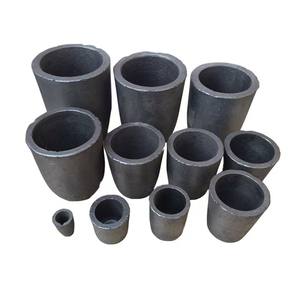
Yttrium Oxide/yttria/Y2O3 Ceramic Crucible
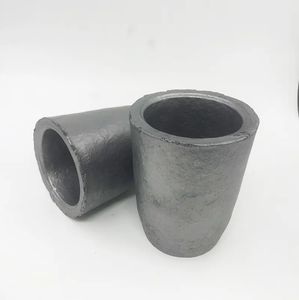
Lab Melting Used Fused Silica Quartz Sio2 Ceramic Crucible
Industrial Ceramic Crucible for Metal Melting and Casting
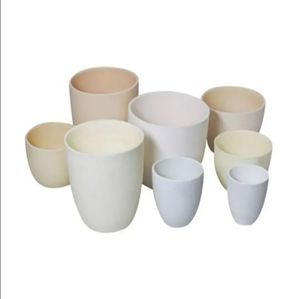
Non-Wetting BN Boron Nitride Ceramic Crucible
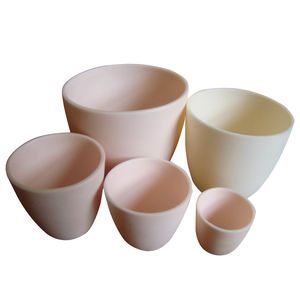
High Quality Special Fire Assay Clay Ceramic Crucible for Melting Gold Silver