Professional industry ceramic supplier, silicon nitride, silicon carbide, aluminum nitride and any other kinds of ceramics.

PRODUCT PARAMETERS
Description
Overview of Ceramic Fiber insulation pads for catalytic converters
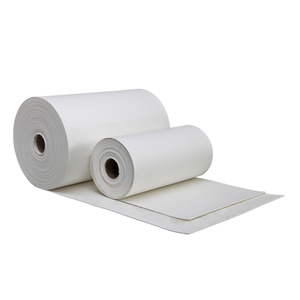
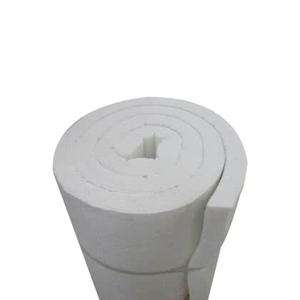
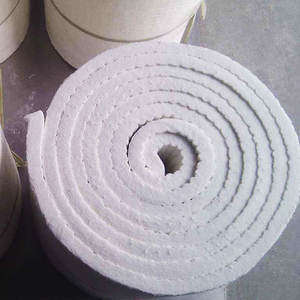
Ceramic Fiber insulation pads for catalytic converters is a lightweight, high-temperature insulation material composed primarily of alumina-silica. It is manufactured through a melting and spinning or blowing process, resulting in a flexible, wool-like textile. This material is engineered to provide exceptional thermal management, conserving energy and protecting equipment in extreme temperature environments across various industries.
Features of Ceramic Fiber insulation pads for catalytic converters
-
Excellent Thermal Stability: Withstands continuous operating temperatures up to 1260°C (2300°F) and higher for certain grades, with minimal shrinkage.
-
Low Thermal Conductivity: Provides highly efficient insulation, reducing heat loss and improving energy efficiency.
-
Lightweight & Low Heat Storage: Offers low thermal mass, enabling rapid heat-up and cool-down cycles for improved process control and energy savings.
-
Thermal Shock Resistance: Highly resistant to damage from rapid temperature changes.
-
Excellent Flexibility & Resilience: Can be fabricated into blankets, boards, papers, and textiles to fit complex shapes and applications.
-
Good Chemical Stability: Resists attack from most corrosive agents, except strong alkalis and hydrofluoric acid.
Specification of Ceramic Fiber insulation pads for catalytic converters
Ceramic fiber insulation pads are special products for catalytic converters. They deal with very high temperatures. These pads go around the catalytic converter inside its metal housing. Their work is to maintain the warm in. This warm is crucial for the converter to work appropriate and tidy exhaust gases.
The pads are made from little ceramic fibers. These fibers are woven or compressed. This framework produces many small air pockets. Air pockets are exceptional at stopping warmth from escaping. So, the pad imitates a barrier. It keeps the converter core hot. Hot exhaust gases circulation through it faster and cleaner.
These pads stand up to extreme heat. Temperatures inside a converter can skyrocket past 1000 levels Celsius. The ceramic material handles this conveniently. It won’t melt or ignite. This reliability is vital for car security and performance.
Toughness is another key point. The pads encounter constant vibration and exhaust flow stress. Good quality pads withstand this anxiety. They stay intact and keep their shape with time. This suggests consistent insulation for the life of the converter.
Installing these pads is straightforward. Technicians cover the pad securely around the converter core. After that they put the covered core right into the metal covering. A limited fit is vital. It makes certain no warmth escapes through spaces. Appropriate installation guarantees the very best effectiveness.
Utilizing ceramic fiber pads offers huge advantages. They help the converter reach its operating temperature quickly after beginning the engine. Faster warm-up suggests less pollution right away. The pads likewise maintain high temperatures during driving. This results in reduce emissions total and far better fuel performance. The converter works at its top. The engine runs cleaner and smoother.
Applications of Ceramic Fiber insulation pads for catalytic converters
Ceramic fiber insulation pads are vital for catalytic converters in cars. They do important jobs. The pads sit around the catalytic converter core. This core gets very hot when the engine runs. The pads act like a thermal barrier. They keep this intense heat inside the converter. This helps the converter work better. It lets the converter reach its ideal operating temperature faster. This is crucial for reducing harmful exhaust emissions effectively.
These pads also protect the converter shell. Without the pad, the outer metal shell gets too hot. This can damage nearby parts or be unsafe. The pad reduces the shell’s surface temperature significantly. This prevents heat damage to other engine bay components.
The pads help hold the fragile ceramic catalyst core firmly inside the metal shell. The core is delicate. It can crack if it moves or vibrates too much. The pad provides cushioning. It absorbs vibrations and shocks from the road and engine. This prevents the core from breaking. A broken core means the converter fails. That leads to expensive repairs.
Ceramic fiber pads are very tough. They can handle the extreme heat inside the converter for a long time. They don’t break down or burn up easily. This ensures the converter lasts its intended lifespan. The pads maintain their insulating properties over thousands of miles. They resist chemical corrosion from exhaust gases too. This long-term reliability is key. It keeps the converter working efficiently year after year. Using the right pad ensures the catalytic converter performs well and lasts.
Company Profile
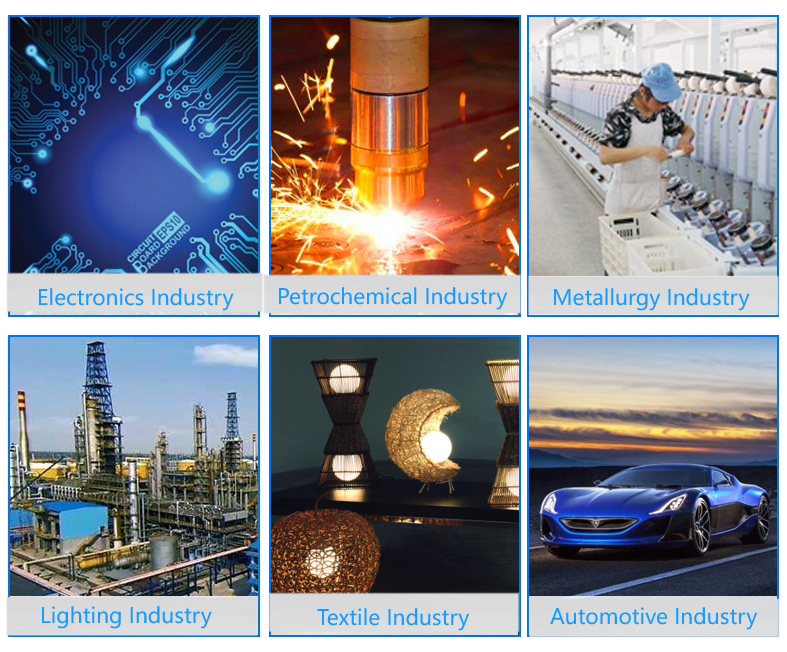
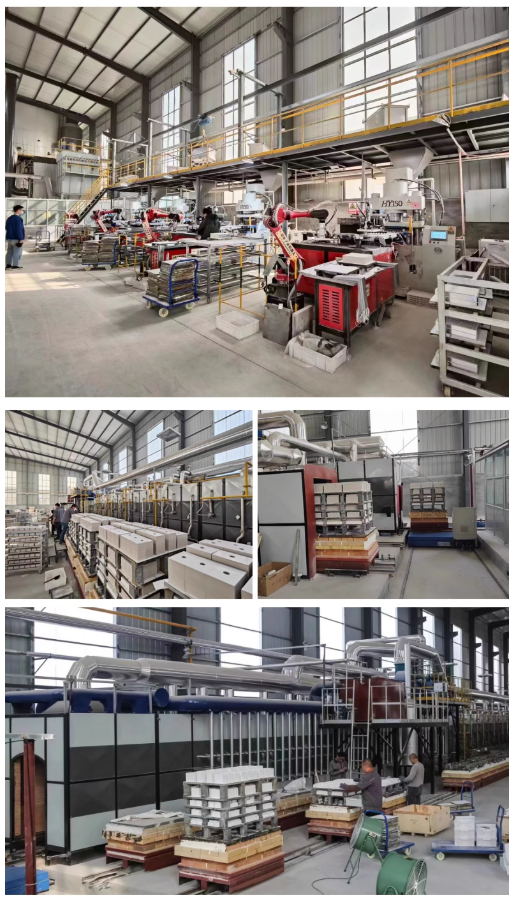
Tanki New Materials Co.Ltd. focus on the research and development, production and sales of ceramic products, serving the electronics, ceramics, chemical and other industries. Since its establishment in 2015, the company has been committed to providing customers with the best products and services, and has become a leader in the industry through continuous technological innovation and strict quality management.
Our products includes but not limited to Aerogel, Aluminum Nitride, Aluminum Oxide, Boron Carbide, Boron Nitride, Ceramic Crucible, Ceramic Fiber, Quartz Product, Refractory Material, Silicon Carbide, Silicon Nitride, ect. please feel free to contact us.
Payment Methods
T/T, Western Union, Paypal, Credit Card etc.
Shipment Methods
By air, by sea, by express, as customers request.
5 FAQs of Ceramic Fiber insulation pads for catalytic converters
People buy ceramic fiber pads for their catalytic converters. Why? The catalytic converter gets incredibly hot during normal driving. This heat often damages nearby car parts. These insulation pads stop that heat transfer. They protect other components from getting too hot.
What benefits do these pads offer? Their main job is heat control. They keep the catalytic converter’s intense heat away from the floor, wiring, and other sensitive parts. This lowers the risk of fires or melted wires. The pads also help the catalytic converter itself work better by keeping it hotter longer.
How do you install them? Installation is usually straightforward. You wrap the pad material tightly around the catalytic converter body. You secure it using included metal straps or clips. Make sure the pad covers the converter well. Avoid covering the oxygen sensor ports. Always follow the specific instructions provided with the pads.
Are these pads safe? Ceramic fiber is made for high heat. It handles the catalytic converter’s temperatures well. Proper installation is key. A loose pad might rub or cause issues. Ensure the pad fits snugly. Check it stays secure over time. The material itself is safe when installed correctly.
How long do the pads last? Ceramic fiber is durable. It withstands constant high heat exposure. The material doesn’t easily break down. The lifespan is generally long. It should last for many years under normal driving conditions.
REQUEST A QUOTE
RELATED PRODUCTS
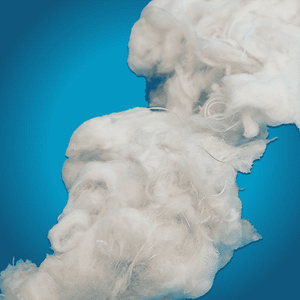
Customized high-temperature and fire-resistant ceramic fiber sheets with excellent insulation properties.
Low-temperature ceramic fiber gaskets.
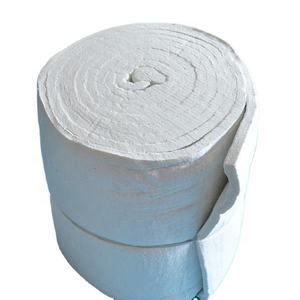
95% to 99% Al2O3 alumina Ceramic textile Ceramic pigtails
High-quality custom thermal insulation ceramic fiber board, heat-resistant
Factory whole 105mm turbo diamond saw blades for glass fiber Ceramic cutting blades