Professional industry ceramic supplier, silicon nitride, silicon carbide, aluminum nitride and any other kinds of ceramics.

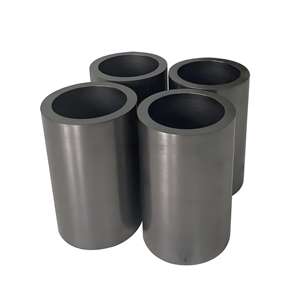
PRODUCT PARAMETERS
Description
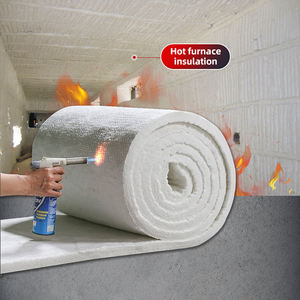
Overview of Heat-Resistant 280 kg/m3 1430°C Ceramic Fiber Board Vacuum-Formed Aluminum-Silicate Fiber Board
Heat-Resistant 280 kg/m3 1430°C Ceramic Fiber Board Vacuum-Formed Aluminum-Silicate Fiber Board is a lightweight, high-temperature insulation material composed primarily of alumina-silica. It is manufactured through a melting and spinning or blowing process, resulting in a flexible, wool-like textile. This material is engineered to provide exceptional thermal management, conserving energy and protecting equipment in extreme temperature environments across various industries.
Features of Heat-Resistant 280 kg/m3 1430°C Ceramic Fiber Board Vacuum-Formed Aluminum-Silicate Fiber Board
-
Excellent Thermal Stability: Withstands continuous operating temperatures up to 1260°C (2300°F) and higher for certain grades, with minimal shrinkage.
-
Low Thermal Conductivity: Provides highly efficient insulation, reducing heat loss and improving energy efficiency.
-
Lightweight & Low Heat Storage: Offers low thermal mass, enabling rapid heat-up and cool-down cycles for improved process control and energy savings.
-
Thermal Shock Resistance: Highly resistant to damage from rapid temperature changes.
-
Excellent Flexibility & Resilience: Can be fabricated into blankets, boards, papers, and textiles to fit complex shapes and applications.
-
Good Chemical Stability: Resists attack from most corrosive agents, except strong alkalis and hydrofluoric acid.
Specification of Heat-Resistant 280 kg/m3 1430°C Ceramic Fiber Board Vacuum-Formed Aluminum-Silicate Fiber Board
This ceramic fiber board handles very high heat. It is made for insulation where temperatures get extremely hot. The board has a density of 280 kg per cubic meter. This makes it strong and durable. It can withstand temperatures up to 1430 degrees Celsius. That’s a very high heat level. The board is formed using a vacuum process. This method creates a uniform structure. It ensures consistent performance throughout the entire board.
The main material is aluminum-silicate ceramic fiber. This fiber type offers excellent thermal stability. It provides good insulation against heat loss. The board structure minimizes heat transfer. This saves energy in furnaces and kilns. It also improves safety. The board offers good mechanical strength. It resists damage from impacts and vibrations. The material is chemically stable too. It resists attack from many chemicals. This is important in harsh industrial environments.
This board is lightweight compared to traditional bricks. Installation is often easier. Cutting and shaping the board is straightforward. You can fit it to complex equipment shapes. It works well in high-temperature linings. Common uses include furnace walls, kiln linings, and boiler insulation. It is also used in heat treatment equipment. The board helps contain heat efficiently. This improves process control. It contributes to longer equipment life. This vacuum-formed ceramic fiber board is a reliable insulation solution for demanding applications.
Applications of Heat-Resistant 280 kg/m3 1430°C Ceramic Fiber Board Vacuum-Formed Aluminum-Silicate Fiber Board
This ceramic fiber board is special. It handles very high heat. We make it from aluminum-silicate fibers. The fibers are vacuum-formed. This makes a strong, stiff board. Its density is 280 kilograms per cubic meter. This board can take temperatures up to 1430 degrees Celsius. That is extremely hot. This makes it useful in many tough places.
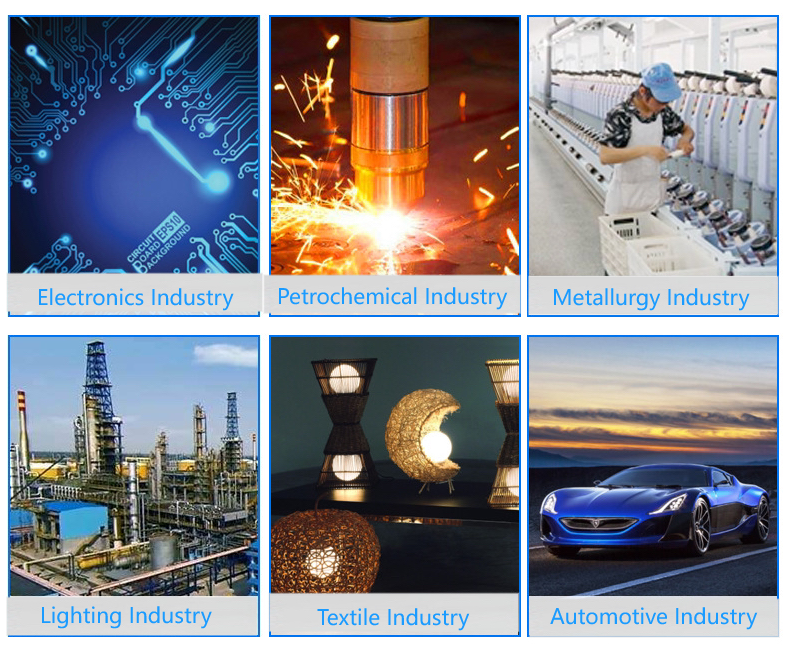
People use it a lot in furnaces. It lines the inside walls and roofs. The board acts like insulation. It keeps the heat inside the furnace. This saves energy. It also protects the outer furnace shell. Workers can cut and shape it easily. This helps fit it perfectly inside different furnace designs.
Foundries use it too. Metal casting needs high heat. The board insulates ladles. Ladles carry molten metal. It also lines pouring systems. This keeps the metal hot longer. It protects workers from the intense heat. Kilns for firing ceramics rely on this board. It helps keep steady, high temperatures. This is vital for making quality pottery or tiles.
Power plants need strong insulation. Boilers and ducts get extremely hot. This ceramic board lines them. It withstands the constant high temperatures. It helps prevent heat loss. This improves efficiency. Petrochemical plants use it around reactors. Reactors process chemicals at high heat. The board provides a thermal barrier.
This material offers good insulation. It resists thermal shock well. Thermal shock is sudden temperature changes. Many materials crack under this stress. This board handles it better. It has low thermal conductivity. This means heat doesn’t pass through easily. Its vacuum-formed structure is strong. It doesn’t sag or crumble easily over time. Installation is straightforward. You can cut it to size on site. It helps save energy. It makes high-heat processes safer. It protects expensive equipment. These qualities make it valuable in industry.
Company Profile
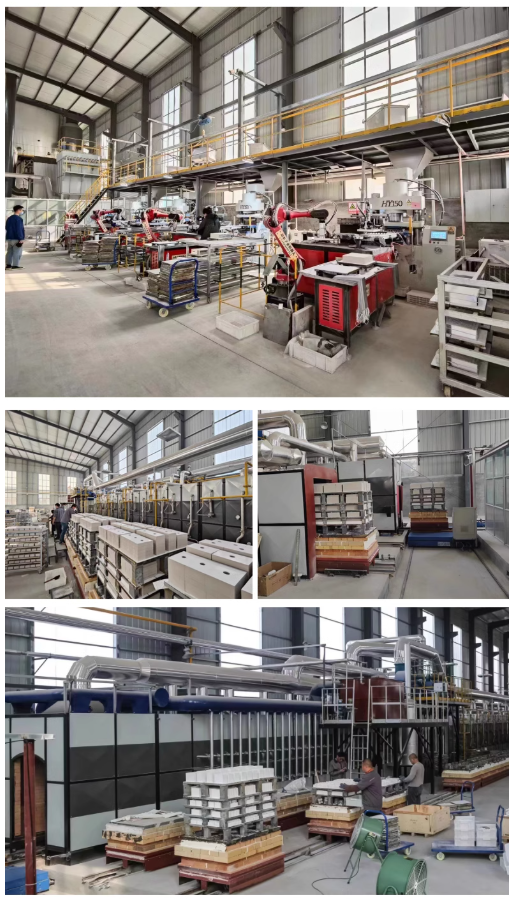
Tanki New Materials Co.Ltd. focus on the research and development, production and sales of ceramic products, serving the electronics, ceramics, chemical and other industries. Since its establishment in 2015, the company has been committed to providing customers with the best products and services, and has become a leader in the industry through continuous technological innovation and strict quality management.
Our products includes but not limited to Aerogel, Aluminum Nitride, Aluminum Oxide, Boron Carbide, Boron Nitride, Ceramic Crucible, Ceramic Fiber, Quartz Product, Refractory Material, Silicon Carbide, Silicon Nitride, ect. please feel free to contact us.
Payment Methods
T/T, Western Union, Paypal, Credit Card etc.
Shipment Methods
By air, by sea, by express, as customers request.
5 FAQs of Heat-Resistant 280 kg/m3 1430°C Ceramic Fiber Board Vacuum-Formed Aluminum-Silicate Fiber Board
What is this ceramic fiber board? This board resists intense heat. It handles temperatures up to 1430 degrees Celsius. The material is aluminum-silicate ceramic fiber. Vacuum forming shapes the fibers into a solid board. The process creates a strong, uniform product.
How hot can this board get? This board withstands 1430 degrees Celsius. That is very high heat. It performs well in furnaces and kilns. It insulates effectively at these temperatures. It protects surrounding structures from heat damage.
What does the 280 kg/m3 density mean? The number 280 kg/m3 is the board’s density. It measures weight per cubic meter. This density provides good insulation properties. It also gives the board strength. It is not too heavy or too light. It offers a good balance.
Why use vacuum forming? Vacuum forming compresses the fibers tightly. This creates a dense, durable board. The board resists physical damage better. It holds its shape well under heat stress. Vacuum forming ensures consistent quality throughout the board.
Where do people use this board? This board fits many high-heat applications. People use it in industrial furnaces. It lines kilns for firing ceramics. It insulates boilers and heaters. It protects pipes carrying hot fluids. It is common in foundries and metal processing.
REQUEST A QUOTE
RELATED PRODUCTS
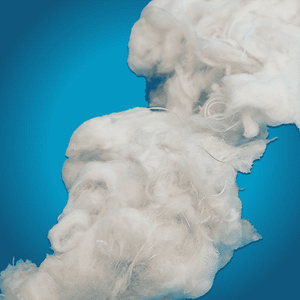
1900°C 25mm Ceramic Fiber Panel Board
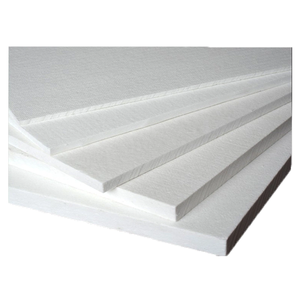
Standard ceramic fiber blankets for thermal insulation (1260°C, 13mm , 6m ceramic fiber blankets)
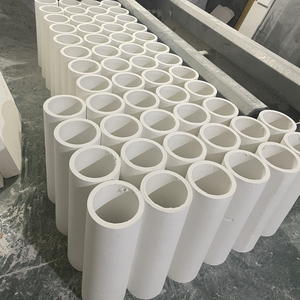
Excellent heat resistance, excellent insulation, ceramic fiber modules suitable for hot environments.
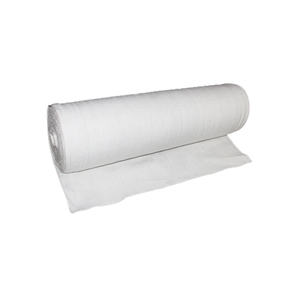
1600°C Polycrystalline Mullite Wool Board, Alumina Fiber High-Temperature Ceramic Fiber Board
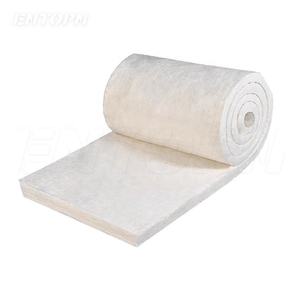
Factory direct s of high-quality fireproof and heat-insulating ceramic fiber blanket, pizza oven insulation