Professional industry ceramic supplier, silicon nitride, silicon carbide, aluminum nitride and any other kinds of ceramics.

PRODUCT PARAMETERS
Description
Overview of High-temperature refractory Ceramic Fiber Wool Block Insulation.
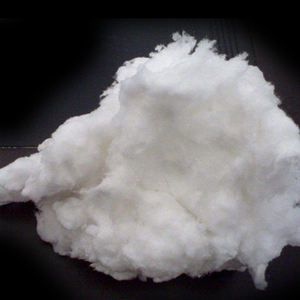
High-temperature refractory Ceramic Fiber Wool Block Insulation. is a lightweight, high-temperature insulation material composed primarily of alumina-silica. It is manufactured through a melting and spinning or blowing process, resulting in a flexible, wool-like textile. This material is engineered to provide exceptional thermal management, conserving energy and protecting equipment in extreme temperature environments across various industries.
Features of High-temperature refractory Ceramic Fiber Wool Block Insulation.
-
Excellent Thermal Stability: Withstands continuous operating temperatures up to 1260°C (2300°F) and higher for certain grades, with minimal shrinkage.
-
Low Thermal Conductivity: Provides highly efficient insulation, reducing heat loss and improving energy efficiency.
-
Lightweight & Low Heat Storage: Offers low thermal mass, enabling rapid heat-up and cool-down cycles for improved process control and energy savings.
-
Thermal Shock Resistance: Highly resistant to damage from rapid temperature changes.
-
Excellent Flexibility & Resilience: Can be fabricated into blankets, boards, papers, and textiles to fit complex shapes and applications.
-
Good Chemical Stability: Resists attack from most corrosive agents, except strong alkalis and hydrofluoric acid.
Specification of High-temperature refractory Ceramic Fiber Wool Block Insulation.
This ceramic fiber wool block insulation handles extreme heat. It withstands temperatures up to 2300°F (1260°C). This makes it perfect for very hot industrial settings like furnaces, boilers, and kilns. Its main job is to stop heat from escaping. It does this job really well. The material has low thermal conductivity. This means heat passes through it very slowly. Less heat loss saves energy. It saves money on fuel costs too.
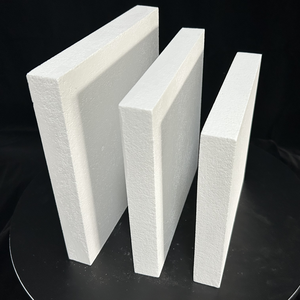
The blocks are made from high-purity alumina-silica ceramic fibers. These fibers are spun into a wool. The wool is then compressed into solid blocks. You get different density options. Common densities are 8, 12, or 16 pounds per cubic foot. Higher density blocks offer better strength. They resist mechanical damage better. They also handle faster heating and cooling cycles better.
This insulation is chemically stable. It does not break down easily. Hot gases or chemicals usually don’t harm it. It stays strong for a long time. The blocks are light compared to other fire bricks. Installation is simpler and faster. It reduces the load on furnace structures. You cut the blocks easily to fit complex shapes. This minimizes heat leaks at joints. It provides consistent insulation across the whole surface. The material is non-combustible. It adds a layer of fire safety.
Applications of High-temperature refractory Ceramic Fiber Wool Block Insulation.
Ceramic fiber wool block insulation handles extreme heat. It is made from special spun ceramic fibers. This creates a flexible material. It withstands temperatures far higher than regular insulation. People use it where things get very hot.
This insulation works well inside industrial furnaces. It lines the walls and roofs. This keeps the heat inside the furnace. Less heat escapes. This saves energy. Furnaces need less fuel. Production costs go down. The blocks resist chemical damage too. Furnace gases do not harm them easily.
Kilns firing pottery or bricks rely on this insulation. It lines the kiln chamber. Temperatures climb very high inside. The blocks hold up. They maintain a stable temperature inside. This ensures consistent product quality. The blocks are also lightweight. They put less stress on the kiln structure.
Boilers in power plants use it. It insulates boiler walls. High steam temperatures require strong insulation. This material delivers. It reduces heat loss significantly. Plant efficiency improves. Workers stay safer. Surface temperatures stay lower.
Foundries use it around molten metal areas. It insulates pouring channels and troughs. This keeps the metal liquid longer. The insulation handles direct contact with molten metal splash. It doesn’t melt or degrade quickly.
Gas turbine systems benefit from it. It lines hot ducting and exhaust paths. This contains the intense heat. It protects surrounding equipment. Turbine performance stays high. Maintenance needs decrease.
Heat treating equipment needs reliable insulation. These blocks line furnaces and ovens. Precise temperature control is critical. The insulation helps achieve this. It ensures even heating. Parts get treated correctly.
Refineries and chemical plants use it. It insulates pipes and vessels carrying hot fluids. This prevents heat loss. Process temperatures stay stable. Safety improves. The risk of burns lowers. Energy costs drop.
This material installs easily. Workers can cut it on site. It fits complex shapes well. It requires minimal supporting structure. Installation time is fast.
Company Profile
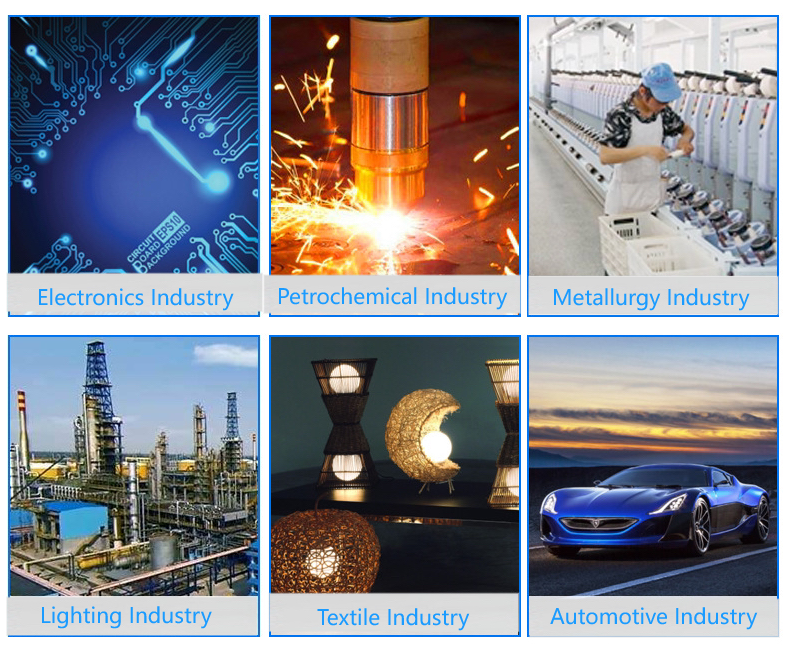
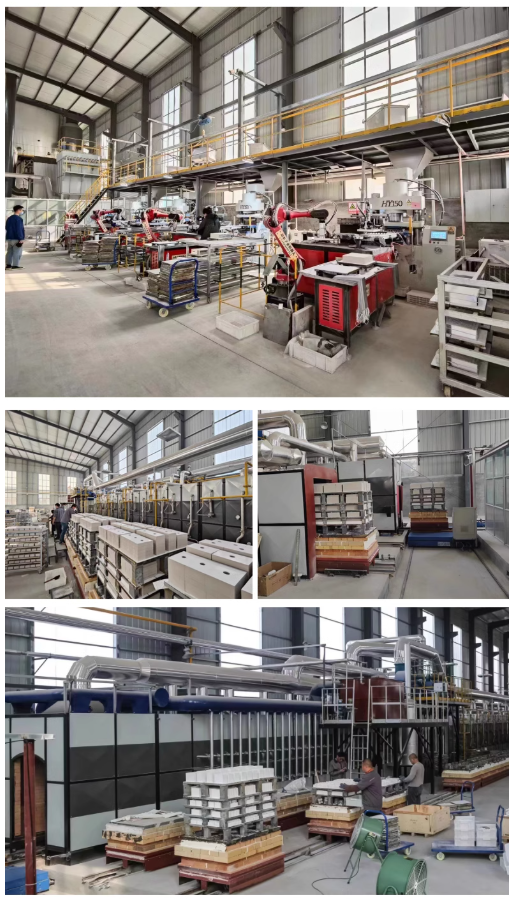
Tanki New Materials Co.Ltd. focus on the research and development, production and sales of ceramic products, serving the electronics, ceramics, chemical and other industries. Since its establishment in 2015, the company has been committed to providing customers with the best products and services, and has become a leader in the industry through continuous technological innovation and strict quality management.
Our products includes but not limited to Aerogel, Aluminum Nitride, Aluminum Oxide, Boron Carbide, Boron Nitride, Ceramic Crucible, Ceramic Fiber, Quartz Product, Refractory Material, Silicon Carbide, Silicon Nitride, ect. please feel free to contact us.
Payment Methods
T/T, Western Union, Paypal, Credit Card etc.
Shipment Methods
By air, by sea, by express, as customers request.
5 FAQs of High-temperature refractory Ceramic Fiber Wool Block Insulation.
This insulation uses special ceramic fibers. These fibers are spun into a wool-like material. This wool gets compressed into solid blocks. The blocks are easy to cut and shape. They are used for lining furnaces and ovens. They are also used around hot pipes. This insulation stops heat from escaping.
What temperature can it handle?
This insulation handles very high heat. Different types exist. Some blocks work well above 2000 degrees Fahrenheit. Others can handle even higher temperatures. Always check the specific product rating. The rating tells you its maximum safe temperature. Never use it beyond this limit.
Where is this insulation used?
It is used where heat is intense. People use it inside industrial furnaces. It lines kilns for firing ceramics. It insulates boilers. It protects equipment in power plants. It wraps around hot exhaust ducts. It is good for any spot needing serious heat protection.
How do you install the blocks?
Installing the blocks is straightforward. Measure the area needing insulation. Cut the blocks to the right size. Use a sharp knife or saw. Fit the blocks tightly together. Use special high-temperature cement or pins. These hold the blocks securely in place. The blocks must fit snugly. Gaps let heat escape.
Is it safe to handle?
You need care when handling this material. The fibers can irritate skin and lungs. Always wear gloves. Wear long sleeves. Wear a proper dust mask. Use safety glasses. Good ventilation helps. After installation, the blocks are usually covered. Covering prevents fiber release. Follow the manufacturer’s safety advice.
REQUEST A QUOTE
RELATED PRODUCTS
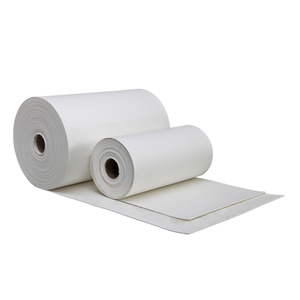
Ceramic Fiber Heating Blankets.
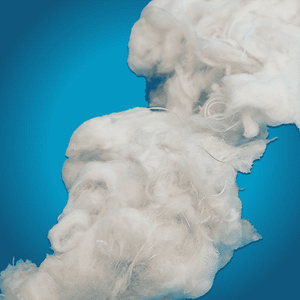
High-Temperature 1260°C Refractory Ceramic Fiber Blanket, Aluminum Silicate Furnace Insulation Ceramic Fiber Blanket
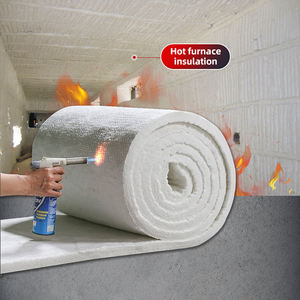
Heat-Resistant Ceramic Fiber Board, High-Density Fiber Board
1500°C Refractory Fiber Ceramic Board
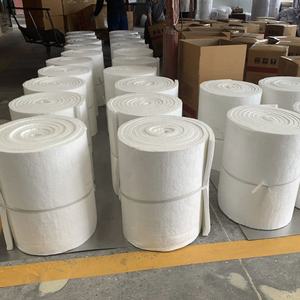
Factory whole stainless steel wire reinforced high-temperature ceramic fiber rope