Professional industry ceramic supplier, silicon nitride, silicon carbide, aluminum nitride and any other kinds of ceramics.

PRODUCT PARAMETERS
Description
Overview of Versatile FTTX systems with Ceramic FC, SC, LC, ST, UPC, and APC fiber ferrules
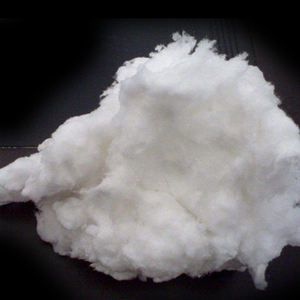
Versatile FTTX systems with Ceramic FC, SC, LC, ST, UPC, and APC fiber ferrules is a lightweight, high-temperature insulation material composed primarily of alumina-silica. It is manufactured through a melting and spinning or blowing process, resulting in a flexible, wool-like textile. This material is engineered to provide exceptional thermal management, conserving energy and protecting equipment in extreme temperature environments across various industries.
Features of Versatile FTTX systems with Ceramic FC, SC, LC, ST, UPC, and APC fiber ferrules
-
Excellent Thermal Stability: Withstands continuous operating temperatures up to 1260°C (2300°F) and higher for certain grades, with minimal shrinkage.
-
Low Thermal Conductivity: Provides highly efficient insulation, reducing heat loss and improving energy efficiency.
-
Lightweight & Low Heat Storage: Offers low thermal mass, enabling rapid heat-up and cool-down cycles for improved process control and energy savings.
-
Thermal Shock Resistance: Highly resistant to damage from rapid temperature changes.
-
Excellent Flexibility & Resilience: Can be fabricated into blankets, boards, papers, and textiles to fit complex shapes and applications.
-
Good Chemical Stability: Resists attack from most corrosive agents, except strong alkalis and hydrofluoric acid.
Specification of Versatile FTTX systems with Ceramic FC, SC, LC, ST, UPC, and APC fiber ferrules
Versatile FTTX systems deliver fiber optic connectivity. These systems use ceramic ferrules. Ceramic is strong and precise. It protects the delicate fiber core. Several connector types are available. FC connectors are common. They screw into place securely. SC connectors are popular too. They push on and pull off easily. LC connectors are smaller. They save space in tight spots. ST connectors also exist. They twist and lock into position. Each connector type fits different needs. The ferrule end face gets polished. Polishing reduces light loss. UPC polishing creates a flat surface. It offers low loss connections. APC polishing creates an angled surface. The angle is usually eight degrees. APC reduces reflected light significantly. This is critical for sensitive applications. Both UPC and APC are available options. Choosing the right ferrule matters. It affects network performance and reliability. Ceramic ensures long life and stable connections. These ferrules handle high data rates well. They support modern broadband demands. Versatile FTTX systems connect homes and businesses. They form the backbone of fiber networks. Proper connectors ensure smooth signal transmission.
Applications of Versatile FTTX systems with Ceramic FC, SC, LC, ST, UPC, and APC fiber ferrules
FTTX systems bring high-speed internet and data connections directly to homes and businesses. These systems rely on fiber optic cables. Ceramic ferrules are tiny, crucial parts inside the connectors on these cables. They hold the delicate fiber glass strand perfectly in place. This precise alignment is vital for fast, reliable data transfer.
Different connector types use these ceramic ferrules. You see them in FC, SC, LC, and ST connectors. These are common shapes used to plug fiber cables into equipment. The ferrule end also gets polished. UPC polishing gives a flat surface. APC polishing creates a slight angle. This angle reduces signal reflections, improving performance. Both polishing styles work with ceramic ferrules.
Telecom companies heavily use FTTX systems. They deploy them for fiber-to-the-home networks. This brings gigabit internet to your living room. They also build large fiber backbones connecting cities and data centers. Ceramic ferrule connectors are essential throughout these networks. They ensure signals stay strong over long distances.
Businesses need robust internal networks too. Offices install structured cabling with fiber optics. This connects servers, computers, and phones across the building. Data centers link thousands of servers using high-density fiber cabling. Reliable ceramic ferrule connectors prevent downtime in these critical environments.
Industrial settings demand toughness. Factories and power plants use fiber optics for control systems and monitoring. The environment can be harsh. Ceramic ferrules handle vibrations, temperature changes, and dirt better than plastic. They keep connections secure for industrial automation and sensor networks.
Company Profile
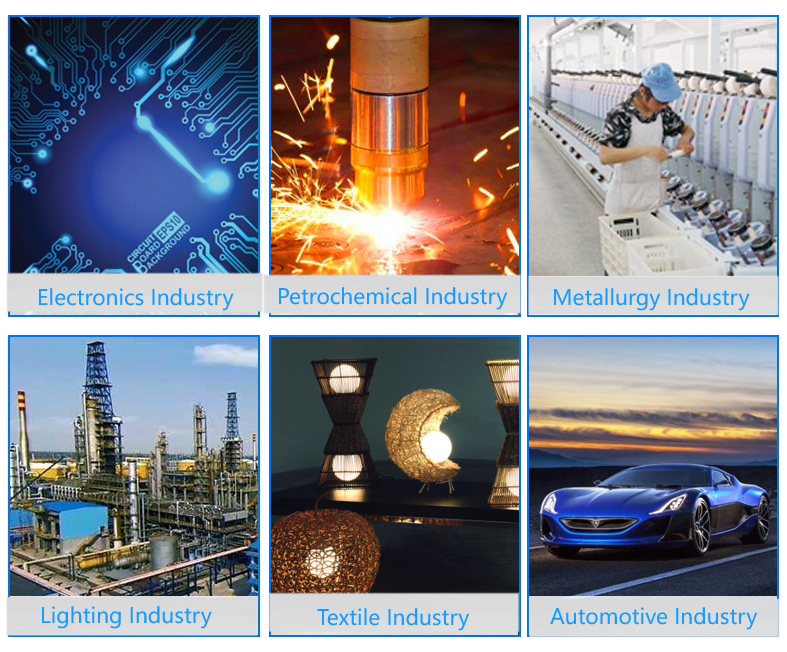
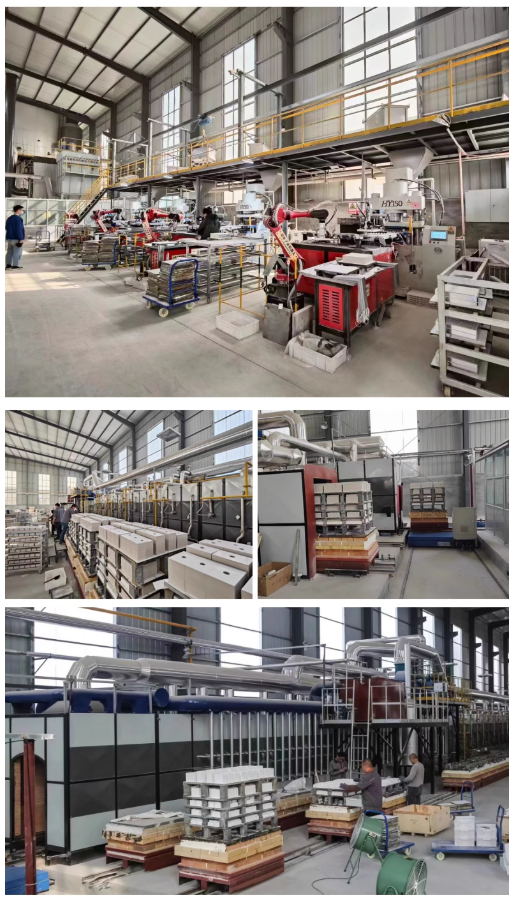
Tanki New Materials Co.Ltd. focus on the research and development, production and sales of ceramic products, serving the electronics, ceramics, chemical and other industries. Since its establishment in 2015, the company has been committed to providing customers with the best products and services, and has become a leader in the industry through continuous technological innovation and strict quality management.
Our products includes but not limited to Aerogel, Aluminum Nitride, Aluminum Oxide, Boron Carbide, Boron Nitride, Ceramic Crucible, Ceramic Fiber, Quartz Product, Refractory Material, Silicon Carbide, Silicon Nitride, ect. please feel free to contact us.
Payment Methods
T/T, Western Union, Paypal, Credit Card etc.
Shipment Methods
By air, by sea, by express, as customers request.
5 FAQs of Versatile FTTX systems with Ceramic FC, SC, LC, ST, UPC, and APC fiber ferrules
Here are five common questions people have about versatile FTTX systems using ceramic fiber ferrules like FC, SC, LC, ST, UPC, and APC.
Why are ceramic ferrules used in FTTX connectors? Ceramic is hard and smooth. This makes it perfect for aligning the tiny fiber core precisely. Good alignment means low signal loss. Ceramic also handles wear well. It keeps connections reliable over time.
Are these different connector types compatible? Mostly, yes. An SC connector can plug into an LC port using an adapter. But APC connectors have a special angled end face. They must connect to another APC connector. This keeps the low reflection performance correct. Mixing UPC and APC directly usually doesn’t work well.
What’s the big difference between UPC and APC ferrules? The polish angle. UPC ferrules are polished flat. APC ferrules get an 8-degree angle polish. This angled polish sends light reflections back into the fiber cladding. APC connections have much lower return loss. This is critical for sensitive equipment.
How should I clean ceramic ferrules? Keep them spotless. Dust or oil blocks light transmission. Use special lint-free wipes and approved cleaning fluid. Clean gently in one direction. Avoid scratching the end face. Fiber inspection scopes help check cleanliness. Ferrule cleaning sticks work for ports.
Do ceramic ferrules last a long time? Yes, they are very durable. Ceramic resists scratches better than some plastics. They survive many connection cycles. But they can still break if hit hard or dropped. Handle connectors carefully. Protect unused ports with dust caps.
REQUEST A QUOTE
RELATED PRODUCTS
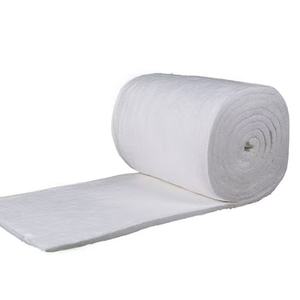
High-quality ceramic fiber fireproof insulation boards, 1000-1600C ceramic fiber boards
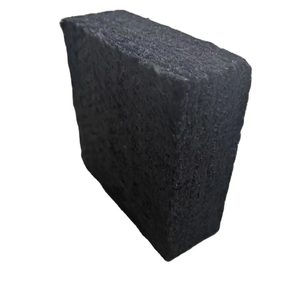
3mm ceramic fiber paper, a thin, soft material for fire protection applications
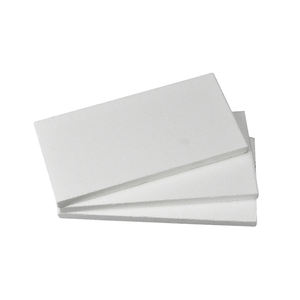
Customizable Ceramic Fiber blocks for furnaces and kilns, Ceramic Fiber blanket folding modules
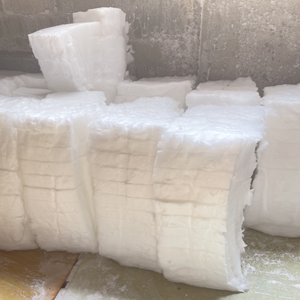
1430CCeramic fiber insulation module
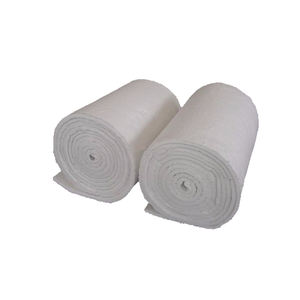
Ceramic fiber special-shaped insulation and sealing parts, various ceramic fiber profiles Fiber Products