Professional industry ceramic supplier, silicon nitride, silicon carbide, aluminum nitride and any other kinds of ceramics.

PRODUCT PARAMETERS
Description
Overview of 1400C /1260 Furnace Refractory Textiles Thermal Insulation Ceramic Fiber Cloth with Steel Wire
1400C /1260 Furnace Refractory Textiles Thermal Insulation Ceramic Fiber Cloth with Steel Wire are non-metallic substances designed to withstand extreme temperatures exceeding 1,000°C, along with harsh chemical and physical stresses. They are essential for the inner linings of industrial furnaces, kilns, reactors, and incinerators, providing critical thermal insulation and structural integrity in processes ranging from metal and glass manufacturing to power generation.
Features of 1400C /1260 Furnace Refractory Textiles Thermal Insulation Ceramic Fiber Cloth with Steel Wire
-
High-Temperature Resistance: Maintain structural strength and stability at temperatures often exceeding 1500°C.
-
Excellent Thermal Shock Resistance: Withstand rapid heating and cooling cycles without cracking or spalling.
-
Chemical Inertness: Resist corrosion and degradation from slags, molten metals, and acidic or basic environments.
-
High Mechanical Strength: Possess considerable load-bearing capacity at operating temperatures.
-
Low Thermal Conductivity: Provide effective insulation to improve energy efficiency and protect furnace structures.
-
Abrasion Resistance: Withstand erosion from solid materials and gas flows.
Specification of 1400C /1260 Furnace Refractory Textiles Thermal Insulation Ceramic Fiber Cloth with Steel Wire
This ceramic fiber cloth handles intense heat. It works continuously at 1260°C. It handles peaks reaching 1400°C. This makes it perfect for furnaces. It works well for boilers too. It insulates against extreme temperatures effectively.
The cloth uses special ceramic fibers. These fibers provide excellent thermal protection. Steel wire reinforces the entire fabric. The steel wire gives the cloth extra strength. It prevents tearing under stress. The cloth stays flexible despite the wire. You can cut it easily. You can shape it to fit different surfaces. This is good for lining complex furnace areas.
Installation is straightforward. You can stitch the cloth. You can nail it securely. The material resists most chemicals. It won’t corrode easily. It provides good insulation. This lowers heat loss significantly. That saves energy. It lowers operating costs over time.
The cloth is durable. It withstands thermal cycling well. The heat doesn’t damage it quickly. It insulates pipes effectively. It protects workers from hot surfaces. Use it for expansion joints. Use it for seals in hot equipment. It replaces heavier insulation sometimes.
Handle the cloth carefully. The fibers can irritate skin. Wear gloves during installation. Wear a mask to avoid breathing fibers in. It performs reliably in demanding industrial settings.
Applications of 1400C /1260 Furnace Refractory Textiles Thermal Insulation Ceramic Fiber Cloth with Steel Wire
This ceramic fiber cloth handles extreme heat. It works well up to 1260°C or even 1400°C short-term. Steel wires woven inside make it tough. It doesn’t tear easily. This cloth insulates really well. It keeps heat where you want it. People use it in many hot places.
Factories use it around furnace doors. It seals gaps. Heat stays inside the furnace. Workers attach it to boiler exteriors. It reduces heat loss. Boilers stay hotter more efficiently. Kilns need good insulation too. This cloth wraps kiln shells. It keeps surface temperatures safe. Hot pipes benefit from this material. Workers wrap pipes with it. This prevents burns and saves energy.
It makes strong gaskets. These gaskets seal flanges in hot systems. They handle high pressure and temperature. The steel wire stops the gasket from blowing out. Heat shields use this cloth. It protects workers from radiant heat. The cloth blocks heat effectively. Thermal curtains are another use. These curtains divide hot zones. They keep heat contained in specific areas. This improves safety and working conditions.
Welding areas get very hot. This cloth protects nearby equipment. Sparks and heat won’t damage things. Foundries use it near molten metal. It shields structures from intense heat. Fire protection is important. This cloth adds a layer of safety. It slows fire spread. It buys time for evacuation. The material stays flexible. Workers install it easily around complex shapes. It conforms to irregular surfaces well.
Company Profile
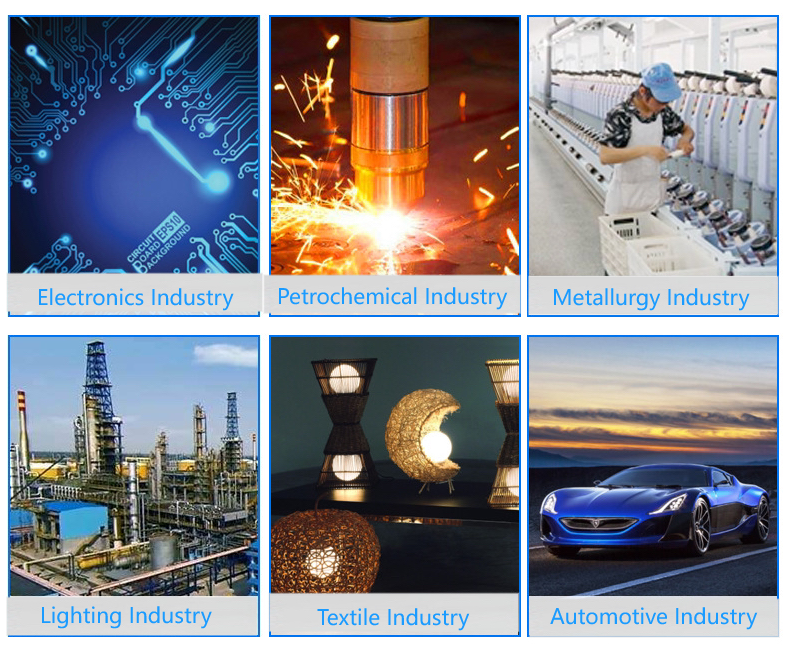
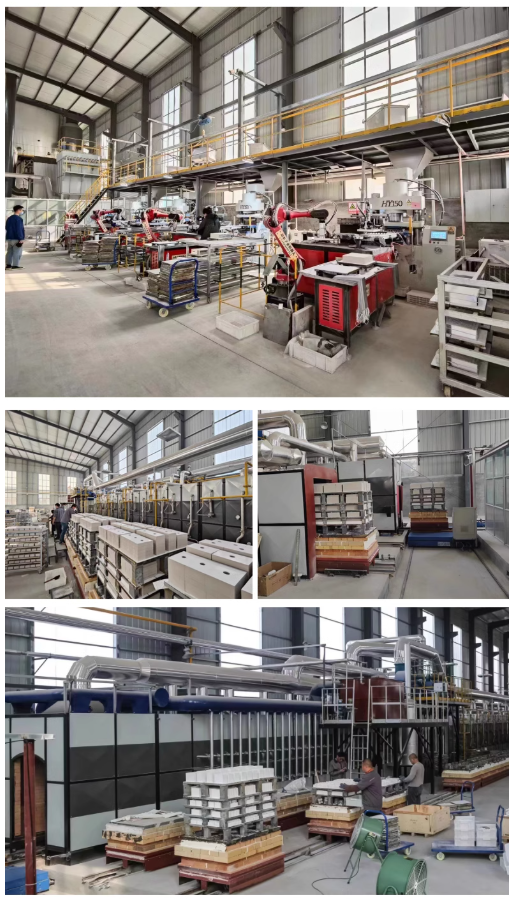
Tanki New Materials Co.Ltd. focus on the research and development, production and sales of ceramic products, serving the electronics, ceramics, chemical and other industries. Since its establishment in 2015, the company has been committed to providing customers with the best products and services, and has become a leader in the industry through continuous technological innovation and strict quality management.
Our products includes but not limited to Aerogel, Aluminum Nitride, Aluminum Oxide, Boron Carbide, Boron Nitride, Ceramic Crucible, Ceramic Fiber, Quartz Product, Refractory Material, Silicon Carbide, Silicon Nitride, ect. please feel free to contact us.
Payment Methods
T/T, Western Union, Paypal, Credit Card etc.
Shipment Methods
By air, by sea, by express, as customers request.
5 FAQs of 1400C /1260 Furnace Refractory Textiles Thermal Insulation Ceramic Fiber Cloth with Steel Wire
This ceramic fiber cloth with steel wire reinforcement is for high temperature insulation. It handles intense heat well. We often use it in furnaces and kilns. Here are answers to five common questions.
What exactly is this ceramic fiber cloth? It is woven from special ceramic fibers. These fibers resist very high temperatures. Steel wire threads run through it. The steel wire makes the cloth stronger. It helps the cloth keep its shape under heat.
Where do people typically use this cloth? It works great lining furnace interiors. You see it wrapping pipes carrying hot gases. It shields sensitive equipment from heat. It seals furnace doors effectively. It insulates parts inside high-temperature machinery.
What is the maximum temperature this cloth can take? It withstands temperatures up to 1260 degrees Celsius. Some versions handle even higher heat, around 1400 degrees Celsius. Always check the exact rating for your cloth type. Using it beyond its rating damages it.
How should this cloth be installed or applied? It is flexible and easy to cut. You shape it to fit different surfaces. Secure it using high-temperature clips or wires. Sometimes we stitch pieces together with ceramic thread. Make sure the installation is tight and secure.
Are there any safety concerns when using this cloth? Handle it carefully during installation. The fibers can irritate skin and lungs. Always wear gloves and a proper dust mask. After installation, the cloth is generally safe. It provides stable, long-lasting insulation.
REQUEST A QUOTE
RELATED PRODUCTS
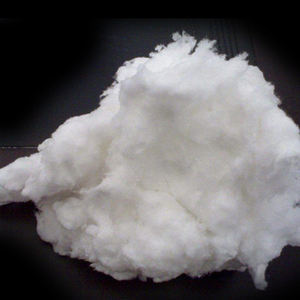
Porous Alumina Foam Ceramic for Molten Aluminium Refractory Ceramic Parts and Raw Materials
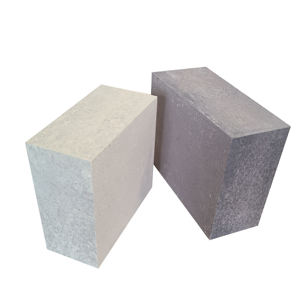
Steatite Ceramic Connector Heat Resistant Electrical Terminal Block for Refractory Applications
Refractory Cement Low Cement Refractory Castable High Alumina Castables Refractory Material
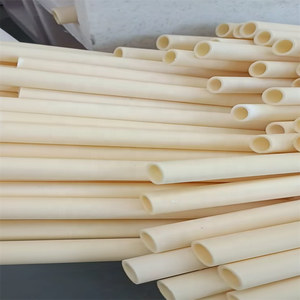
Ceramic Fused Roller For Glass Tempering Furnace Refractory Fused Silica Roller Ceramic Roller
High Performance Alumina Ceramics Customized For Chemical Reactor Linings Premium Quality Refractory Product