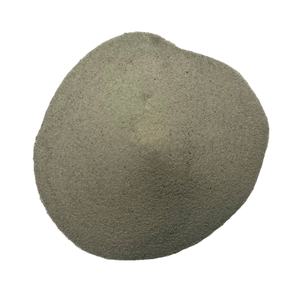
Professional industry ceramic supplier, silicon nitride, silicon carbide, aluminum nitride and any other kinds of ceramics.

PRODUCT PARAMETERS
Description
Overview of Clay-bonded Refractory Plastic Refractory Fireclay Plastic
Clay-bonded Refractory Plastic Refractory Fireclay Plastic are non-metallic substances designed to withstand extreme temperatures exceeding 1,000°C, along with harsh chemical and physical stresses. They are essential for the inner linings of industrial furnaces, kilns, reactors, and incinerators, providing critical thermal insulation and structural integrity in processes ranging from metal and glass manufacturing to power generation.
Features of Clay-bonded Refractory Plastic Refractory Fireclay Plastic
-
High-Temperature Resistance: Maintain structural strength and stability at temperatures often exceeding 1500°C.
-
Excellent Thermal Shock Resistance: Withstand rapid heating and cooling cycles without cracking or spalling.
-
Chemical Inertness: Resist corrosion and degradation from slags, molten metals, and acidic or basic environments.
-
High Mechanical Strength: Possess considerable load-bearing capacity at operating temperatures.
-
Low Thermal Conductivity: Provide effective insulation to improve energy efficiency and protect furnace structures.
-
Abrasion Resistance: Withstand erosion from solid materials and gas flows.
Specification of Clay-bonded Refractory Plastic Refractory Fireclay Plastic
Clay-bonded Refractory Plastic Fireclay Plastic is a special heat-resistant material. It is ready for use right from the bag. This material is moldable. You can shape it by hand or with basic tools. It is excellent for covering furnaces or ovens. It also works well for developing custom forms.
The cornerstones are heat-resistant aggregates. These are usually fireclay grog or similar materials. Sticky clay bonds everything together. This clay offers the mix its plastic feeling. Water is included in turn on the clay. Then the product becomes practical. You can load it right into area easily. It holds its form well during installment.
This plastic refractory handles high warmth well. It lasts long under difficult problems. It takes care of unexpected temperature changes fine. The material shrinks a bit as it dries. It diminishes extra when very first warmed. This is typical. The adhered clay assists stand up to wear and tear. It withstands light chemical direct exposure. This relies on the exact makeup.
Installment is uncomplicated. Employees load it firmly into the required location. They use hammers or tampers to small it. Appropriate compaction protects against gaps and weaknesses. After loading, it needs drying. Slow, controlled drying is finest. This prevents splitting. After that it calls for firing. Firing turns it right into a solid, tough mass. It ends up being ready for service.
Applications of Clay-bonded Refractory Plastic Refractory Fireclay Plastic
Clay-bonded plastic refractory fireclay is a malleable product. It takes care of high heat well. It stays soft and workable for a long period of time. Workers shape it quickly by hand or with tools. It bonds highly to several surfaces. This makes it excellent for patching and lining warm equipment. It sets hard when it dries out and fumes.
This plastic refractory takes care of extreme temperature levels. It resists damage from heat cycling. Heaters heat up and cool down typically. This product lasts through those adjustments. It also stands up well to chemical assault. Slag and flue gases can be rough. This fireclay plastic withstands them. It uses excellent insulation properties also. This conserves energy.
Individuals utilize this plastic refractory in numerous places. It works well in industrial heaters. It benefits boiler setups. It matches kilns completely. It covers cracks and holes in existing brickwork. It constructs monolithic cellular linings for complex forms. It secures joints in between bricks safely. It is a common choice for maintenance and repairs. It is easy to apply without unique devices.
Applying it is straightforward. Employees pack it firmly right into location. They need to ram it hard. This removes air pockets. Air pockets compromise the product. It needs correct drying out and heating. Adhere to the maker’s schedule carefully. This action is crucial for toughness. It protects against cracking and spalling later on.

Company Profile
Tanki New Materials Co.Ltd. focus on the research and development, production and sales of ceramic products, serving the electronics, ceramics, chemical and other industries. Since its establishment in 2015, the company has been committed to providing customers with the best products and services, and has become a leader in the industry through continuous technological innovation and strict quality management.
Our products includes but not limited to Aerogel, Aluminum Nitride, Aluminum Oxide, Boron Carbide, Boron Nitride, Ceramic Crucible, Ceramic Fiber, Quartz Product, Refractory Material, Silicon Carbide, Silicon Nitride, ect. please feel free to contact us.
Payment Methods
T/T, Western Union, Paypal, Credit Card etc.
Shipment Methods
By air, by sea, by express, as customers request.
5 FAQs of Clay-bonded Refractory Plastic Refractory Fireclay Plastic
Here are answers to common questions about Clay-bonded Refractory Plastic Refractory Fireclay Plastic.
What is this fireclay plastic refractory? It’s a moldable material for high heat. You shape it by hand or with tools. It hardens when you heat it up. People use it to fix furnace linings or build new ones.
How do you put this material in place? You pack it firmly. Use a hammer or a pneumatic tool. Pack it in thin layers. Do this until it’s solid and even. This stops cracks later.
What temperature can it handle? It handles high heat well. It usually withstands temperatures from 2200°F to 2500°F. Check the exact rating for your batch. The exact number depends on the mix.
How do you dry and heat it up after installing? Dry it slowly first. Remove any water left inside. Then heat it slowly to its full temperature. Follow the maker’s heating schedule exactly. This makes it strong.
Where do people typically use this plastic fireclay? It’s good for patching hot spots. Use it around burners or where flames hit hard. It’s also used for making whole linings in boilers or furnaces. It sticks well to old brickwork.
REQUEST A QUOTE
RELATED PRODUCTS
99.9% Arena De Silice/cuarzo Para Uso Refractario, Calidad Superior Silica/quartz Sand For Refractory Use, Superior Quality
Refractory Porcelain Ceramic Crucible 20ml 30ml 50ml 150mm For Melting
Hot Fire Clay Powder Calcined in Refractory for Ceramic
Long-Lasting Corundum Alumina Ceramic Balls for Industrial Use 1900C Steel Mill Furnace Refractory Custom Cutting Processing
High Quality 92% Microsilica Grade Silica Fume For Concrete Rubber Refractory Materials For Petroleum Additives