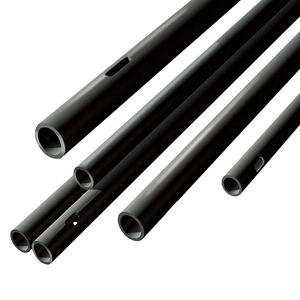
Professional industry ceramic supplier, silicon nitride, silicon carbide, aluminum nitride and any other kinds of ceramics.

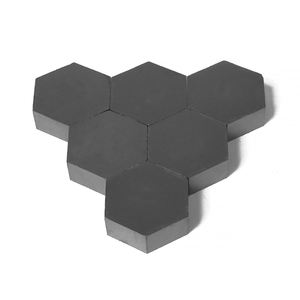
PRODUCT PARAMETERS
Description
Overview of High Quality Ceramic Raw Materials Strong Refractory Magnesite Ramming Mass Alumina Castable Ball Furnace/Ladle Kiln Use
High Quality Ceramic Raw Materials Strong Refractory Magnesite Ramming Mass Alumina Castable Ball Furnace/Ladle Kiln Use are non-metallic substances designed to withstand extreme temperatures exceeding 1,000°C, along with harsh chemical and physical stresses. They are essential for the inner linings of industrial furnaces, kilns, reactors, and incinerators, providing critical thermal insulation and structural integrity in processes ranging from metal and glass manufacturing to power generation.
Features of High Quality Ceramic Raw Materials Strong Refractory Magnesite Ramming Mass Alumina Castable Ball Furnace/Ladle Kiln Use
-
High-Temperature Resistance: Maintain structural strength and stability at temperatures often exceeding 1500°C.
-
Excellent Thermal Shock Resistance: Withstand rapid heating and cooling cycles without cracking or spalling.
-
Chemical Inertness: Resist corrosion and degradation from slags, molten metals, and acidic or basic environments.
-
High Mechanical Strength: Possess considerable load-bearing capacity at operating temperatures.
-
Low Thermal Conductivity: Provide effective insulation to improve energy efficiency and protect furnace structures.
-
Abrasion Resistance: Withstand erosion from solid materials and gas flows.
Specification of High Quality Ceramic Raw Materials Strong Refractory Magnesite Ramming Mass Alumina Castable Ball Furnace/Ladle Kiln Use
This magnesite ramming mass offers strong heat resistance. It handles high furnace temperatures well. This material is dense and durable. It provides reliable lining protection. The alumina castable balls add further strength. These balls improve overall material performance. They enhance resistance to wear and tear. This combination works well for demanding furnace and kiln applications. Good thermal stability is a key benefit. The material maintains integrity under extreme heat. Consistent performance is essential. This product delivers that consistency. It is suitable for ladles and kilns. Installation is straightforward. The ramming mass packs tightly into place. This creates a solid, seamless lining structure. It minimizes gaps and weaknesses. The castable balls integrate smoothly. They form a uniform, tough refractory layer. This layer withstands intense heat cycles. It resists chemical erosion from molten materials. Long service life reduces downtime. Maintenance needs are lower. The material composition uses quality magnesite and alumina. These raw materials ensure high purity. High purity contributes directly to better performance. Furnace operators need dependable linings. This product provides that reliability. It helps maintain efficient furnace operation. Production processes stay on track.
Applications of High Quality Ceramic Raw Materials Strong Refractory Magnesite Ramming Mass Alumina Castable Ball Furnace/Ladle Kiln Use
High quality ceramic raw materials make strong refractory products. Magnesite ramming mass is one key material. Alumina castable balls are another important product. Both serve vital roles in high heat industries. Furnaces and ladles face extreme temperatures daily. These vessels need tough linings to survive. Magnesite ramming mass provides that toughness. Workers pack it tightly into furnace walls. It forms a solid, heat resistant layer. This mass handles intense heat well. It also resists damage from slag and chemicals. Furnaces last longer with good lining. Ladles carrying molten metal need protection too. Magnesite lining shields the ladle structure. Alumina castable balls offer another solution. People mix these balls with other materials. They create a pourable refractory mix. Workers cast this mix into place. It sets hard inside kilns or furnaces. This castable lining bonds strongly. It withstands thermal shock better. Sudden temperature changes cause less cracking. Both products rely on pure raw materials. Good magnesite and alumina ensure quality. Impurities weaken the final product. Strong refractories save money over time. Less repair means lower costs. Production runs smoother with reliable linings. Metal quality improves too. Consistent temperature control matters. These materials make that possible. Kilns benefit from durable linings as well.
Company Profile
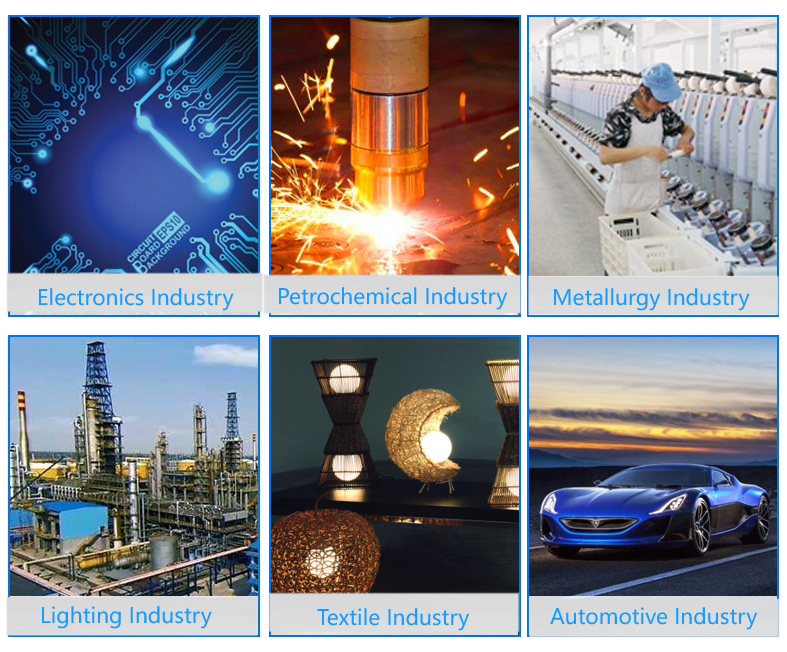
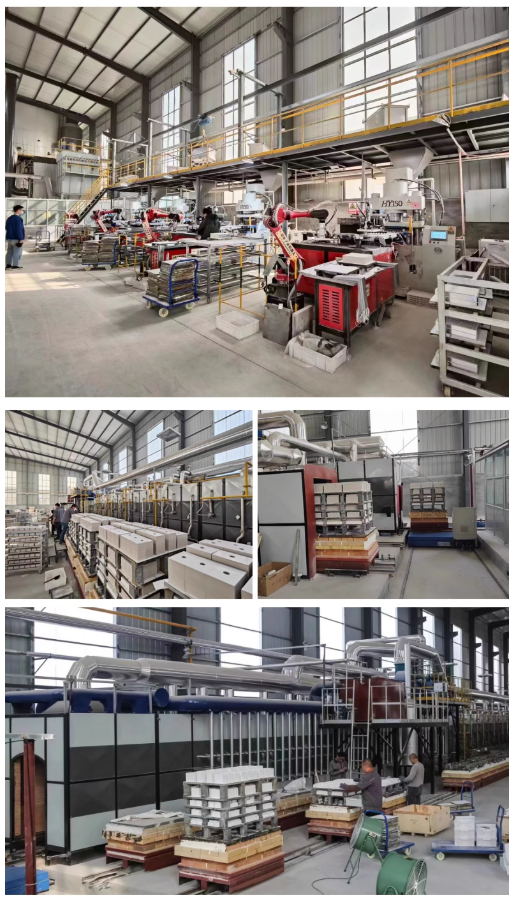
Tanki New Materials Co.Ltd. focus on the research and development, production and sales of ceramic products, serving the electronics, ceramics, chemical and other industries. Since its establishment in 2015, the company has been committed to providing customers with the best products and services, and has become a leader in the industry through continuous technological innovation and strict quality management.
Our products includes but not limited to Aerogel, Aluminum Nitride, Aluminum Oxide, Boron Carbide, Boron Nitride, Ceramic Crucible, Ceramic Fiber, Quartz Product, Refractory Material, Silicon Carbide, Silicon Nitride, ect. please feel free to contact us.
Payment Methods
T/T, Western Union, Paypal, Credit Card etc.
Shipment Methods
By air, by sea, by express, as customers request.
5 FAQs of High Quality Ceramic Raw Materials Strong Refractory Magnesite Ramming Mass Alumina Castable Ball Furnace/Ladle Kiln Use
Here are five common questions about high quality ceramic raw materials like strong refractory magnesite ramming mass and alumina castable ball for furnace, ladle, and kiln use.
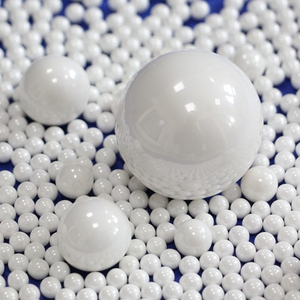
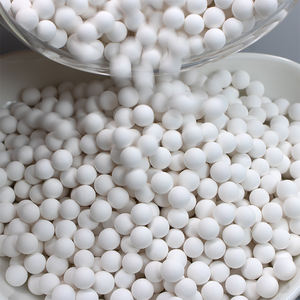
What exactly are magnesite ramming mass and alumina castable balls? Magnesite ramming mass is a special powder mix. It contains magnesia and other strong materials. Workers pack it tightly into furnace linings. Alumina castable balls are small, dense spheres made mostly of alumina. People throw them into ladles to patch worn spots.
How do you use magnesite ramming mass? Clean the furnace area first. Mix the powder with water carefully. Follow the instructions. Then pack the wet mix firmly against the furnace walls using tools. Build it up in layers. Let it dry and heat it slowly before full use. This makes a solid, heat-resistant lining.
What makes alumina castable balls useful? Their main job is repairing ladle linings fast. Workers simply toss these balls into hot ladles. The balls melt slightly. They stick right onto damaged spots. This seals cracks and holes quickly. It extends the ladle’s life without a long shutdown. It saves time and money.
How long do these materials last? Their lifespan depends heavily on the furnace or ladle operation. Things like extreme temperature changes, chemical attacks from molten metal, and physical wear affect durability. Proper installation is critical. Good quality materials withstand tough conditions much longer. They offer reliable protection.
Is special training needed? Yes, absolutely. Handling and installing these materials requires skill and knowledge. Workers must know the mixing ratios. They must understand the packing techniques. They need to follow the specific heating schedules after installation. Safety gear is essential because of the dust and high heat involved. Trained professionals get the best results.
REQUEST A QUOTE
RELATED PRODUCTS
Refractory Brick Customized Alumina Silica Refractory Andalusite Bricks For Lime Kiln
1400C /1260 Furnace Refractory Textiles Thermal Insulation Ceramic Fiber Cloth with Steel Wire
Aluminum Silicate Insulation Boards 1800C Refractory Ceramic Fiber Board for Furnace Oven
Refractory 99.7% Al2O3 Alumina Ceramic Pipe Thermocouple Ceramic Protection Tube
Refractory Materials Powder Mixer And Production Line